
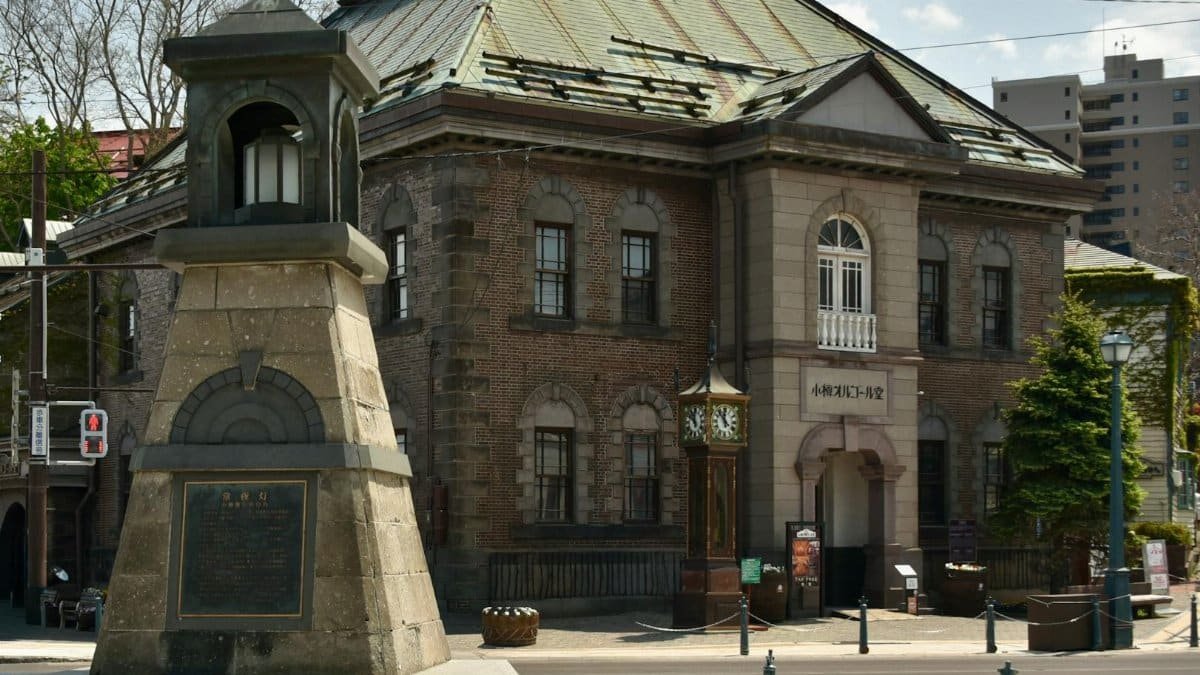
A report from the National Trust for Historic Preservation tallies staggering returns: since 1980, Main Street programs tied to restoring historic main streets have fueled $89.4 billion in private reinvestment and 724,300 net new jobs across the U.S.National Trust for Historic Preservation Main Street Impact. Small towns once hollowed by big box stores and population drain now pulse with visitors and entrepreneurs. Local shops fill with crafts and coffee roasts. Sidewalk cafes buzz under restored awnings. These 12 communities prove the formula works. They blend preservation grants, volunteer muscle, and smart zoning to reclaim brick facades and corner drugstores. Economies rebound. Pride swells. Neighborhoods tighten. History here isn’t dusty relic. It powers payrolls and parades.
Galena, Illinois: Grant’s Legacy Lifts a River Town

Snow dusts the Mississippi bluffs each winter, but Galena stays warm with tourists. This northwest Illinois spot, once a lead mining hub, faced emptiness after the 1970s. Then locals rallied. They fixed 85 percent of the downtown historic district by 1985. Today, 1,200 buildings gleam. Bed and breakfasts book solid. Antiques draw crowds from Chicago.
Businesses tripled in two decades. Census data tracks the surge: population stabilized at 3,300 while retail sales soared.U.S. Census QuickFacts: Galena. One shop owner recalls the shift. “We painted our storefront blue, matching the 1840s original. Foot traffic doubled overnight.” Festivals like Victorian Halloween pack streets. The model spreads envy nationwide.
Hermann, Missouri: Wine Country’s Victorian Heartbeat
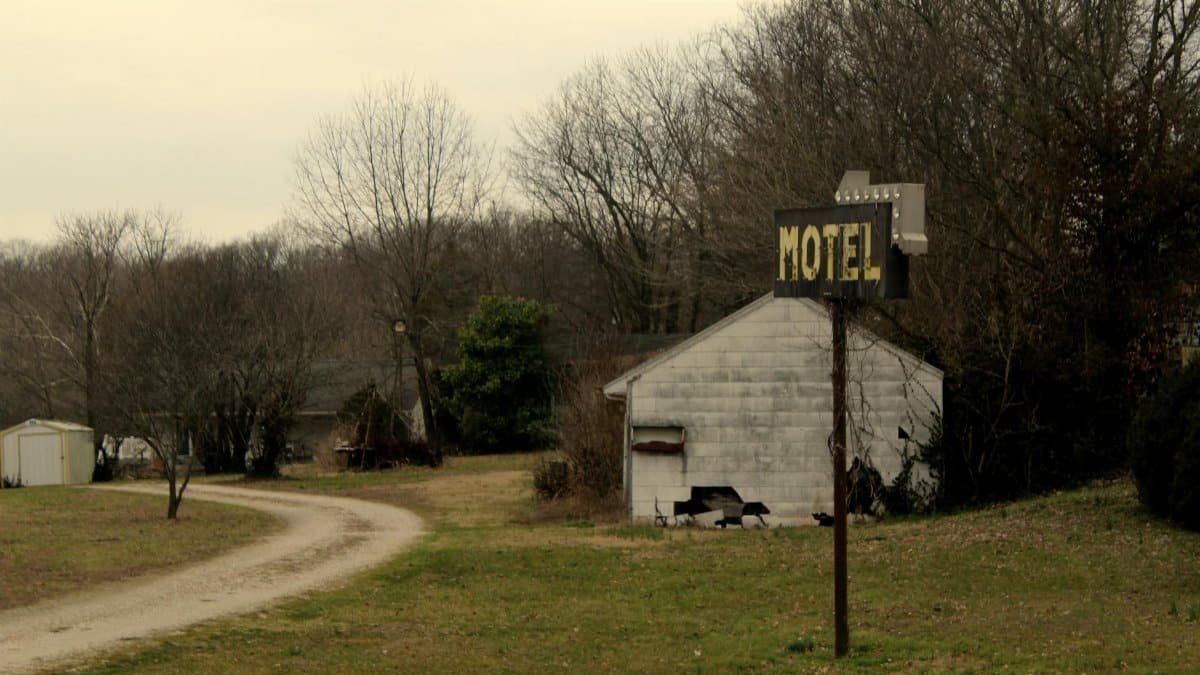
Vineyards roll over hills outside Hermann, but the real vintage lies downtown. German immigrants built stone breweries here in the 1800s. Decline hit mid century. Empty storefronts gaped. A Main Street designation in 1985 changed course. Volunteers scrubbed facades. Grants funded wrought iron repairs.
Now wineries line Main Street. Oktoberfest pulls 200,000 revelers yearly. Hotel occupancy hits 80 percent. Local bakeries sell out stollen by noon. “It started with one building,” a longtime resident says. “Soon the whole block hummed.” Preservation mixed with agritourism. Jobs in hospitality jumped 40 percent. The town of 2,200 feels larger, livelier.
Staunton, Virginia: Theater and Track Revive the Valley
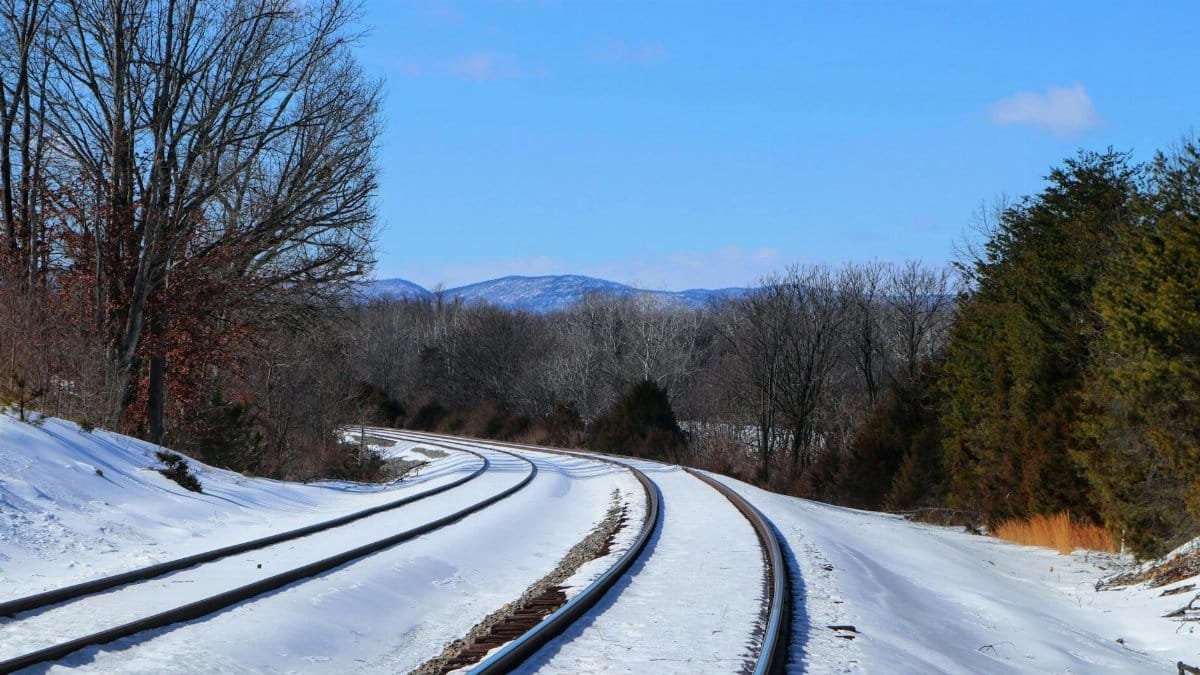
Amtrak whistles through Staunton, echoing its rail heyday. Factories closed. Stores shuttered. By 1983, a Main Street program ignited turnaround. They restored the 1891 train station into offices. Blackfriars Playhouse, a Shakespeare gem, opened in a 1640s replica theater.
Downtown vacancy dropped from 27 percent to zero. Arts festivals fill calendars. Boutique hotels sprout. One visitor lingered on a bench, watching couples stroll under gas lamps. “This place feels like a stage set, but real.” Revenue from heritage tourism tops $50 million annually. Population edges up to 26,000. Shenandoah Valley travelers detour here now.
Franklin, Tennessee: Battlefield Echoes Fuel Southern Boom

Civil War cannon smoke cleared long ago in Franklin. Yet battle scars shaped its main street of clapboard shops. Sprawl threatened in the 1990s. Preservationists fought back. They bought blighted properties. Facades returned to 19th century splendor.
Today, tourists flock to the Carter House, pocked with bullets. Music row scouts hunt talent in honky tonks. Retail rents rival Nashville’s. Factory outlets? No. Handmade leather goods and distilleries thrive. “Restoring kept our soul,” a merchant notes. Growth hit 20 percent in tourism jobs. The 80,000 residents cherish Friday night parades.
Bardstown, Kentucky: Bourbon Trail’s Charming Pit Stop
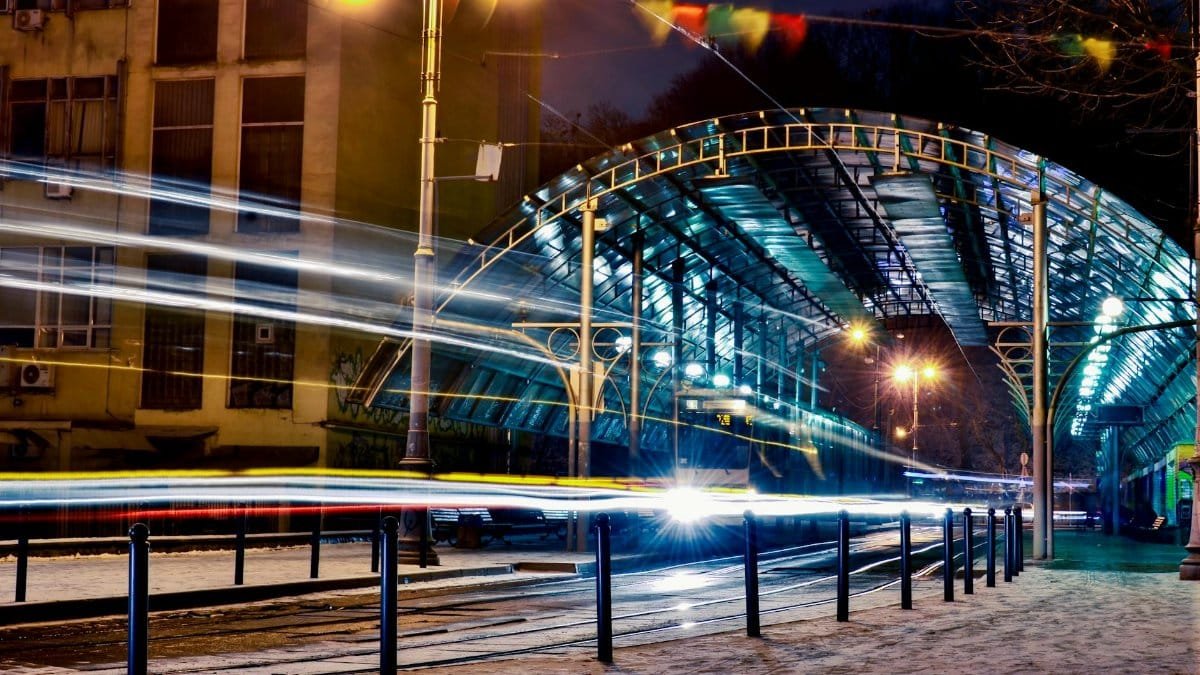
Bourbon barrels age nearby, but Bardstown’s main street steals the show. Whiskey boom bypassed the 1800s courthouse square until recently. Volunteers tackled peeling paint and potholes. My Old Kentucky Home State Park got upgrades.
Festivals flow: bourbon, balloons, arts. Distillery tours bus in crowds. Local eateries serve fried green tomatoes to lines out the door. Vacancy vanished. Sales tax revenue doubled. A forum post captured it: one local wrote publicly about watching empty shops turn into thriving cafes, rekindling family walks. Population holds at 13,500. Bourbon Trail maps always circle here.
Jim Thorpe, Pennsylvania: Coal Miner’s Switchback Revival
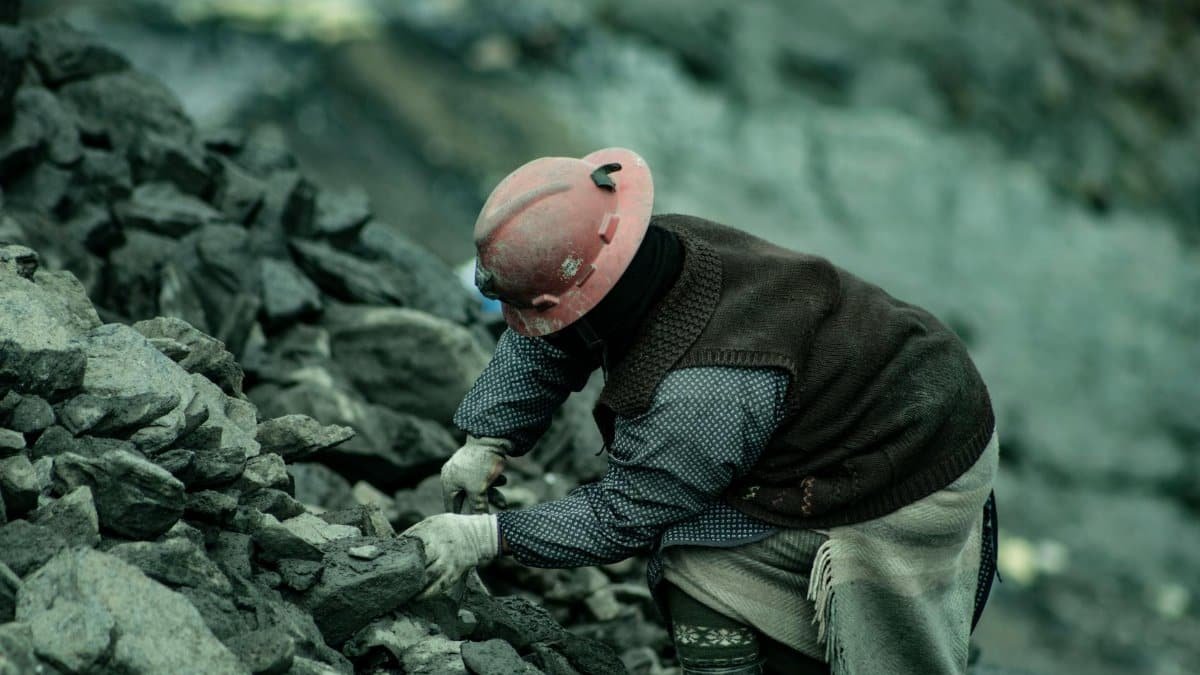
Fall leaves blaze along the Lehigh River in Jim Thorpe. Named for an athlete, it rode coal riches then crashed. Floods battered 1800s mansions. A 1980s push saved them. Flagstone sidewalks reappeared. Gas lamps flickered on.
Tourists hike or ride the old railway. Inns fill with leaf peepers. Art galleries dot the strip. “We turned ruins into revenue,” chamber leaders boast. Hotel tax funds more fixes. Jobs in service sectors rose 30 percent. The 1,700 souls host ghost tours that sell out. Quiet mornings yield to lively weekends.
Eureka Springs, Arkansas: Victorian Spas Spring Eternal

Cliffside houses cling to Ozark hills in Eureka Springs. Healing springs lured crowds in the 1880s. Tourism faded postwar. Buckminster Fuller geodesic dome aside, main street lagged. Restoration swept in during the 1980s. Crooked alleys got cobbles. Gingerbread trim shone anew.
Thru hikers detour for pie shops. Spas book months ahead. Passion Play draws pilgrims. Business licenses quadrupled. “The buzz returned,” a hotelier says. Events like motorcycle rallies pack 400,000 visitors. Population ticks to 2,100. Bas-relief Christ of the Ozarks overlooks a reborn core.
Leavenworth, Washington: Bavarian Blitz Transforms Timber Town
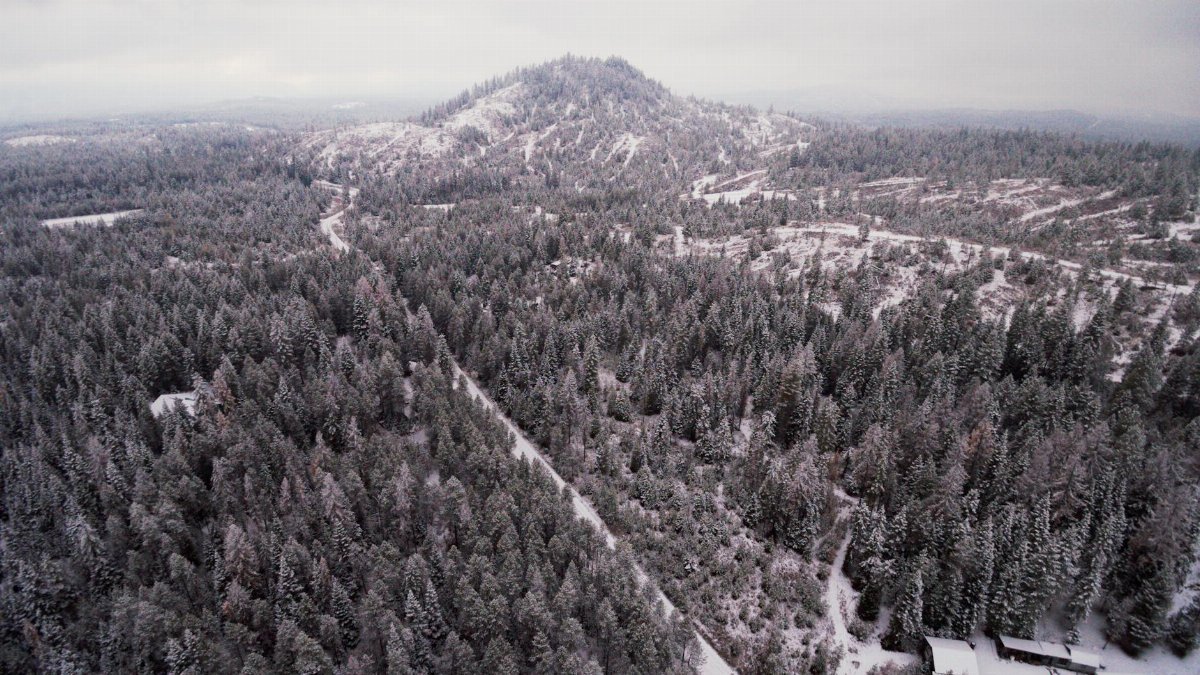
Snow caps Cascade peaks above Leavenworth. Loggers left. Then a 1960s gamble: go Bavarian. Murals of Alps appeared on brick walls. Wooden balconies bloomed. Christmas lighting rivaled Germany’s.
Oktoberfest and Maifest explode crowds. Nutcrackers sell by the truckload. Lodging expands yearly. Visitor spending tops $100 million. A study notes similar rethemes boost rural economies 25 percent.National Park Service on Preservation Economics. Locals adapted, adding pretzel bakeries. The 2,000 residents revel in 2 million tourists.
Port Townsend, Washington: Victorian Seaport Sails Back
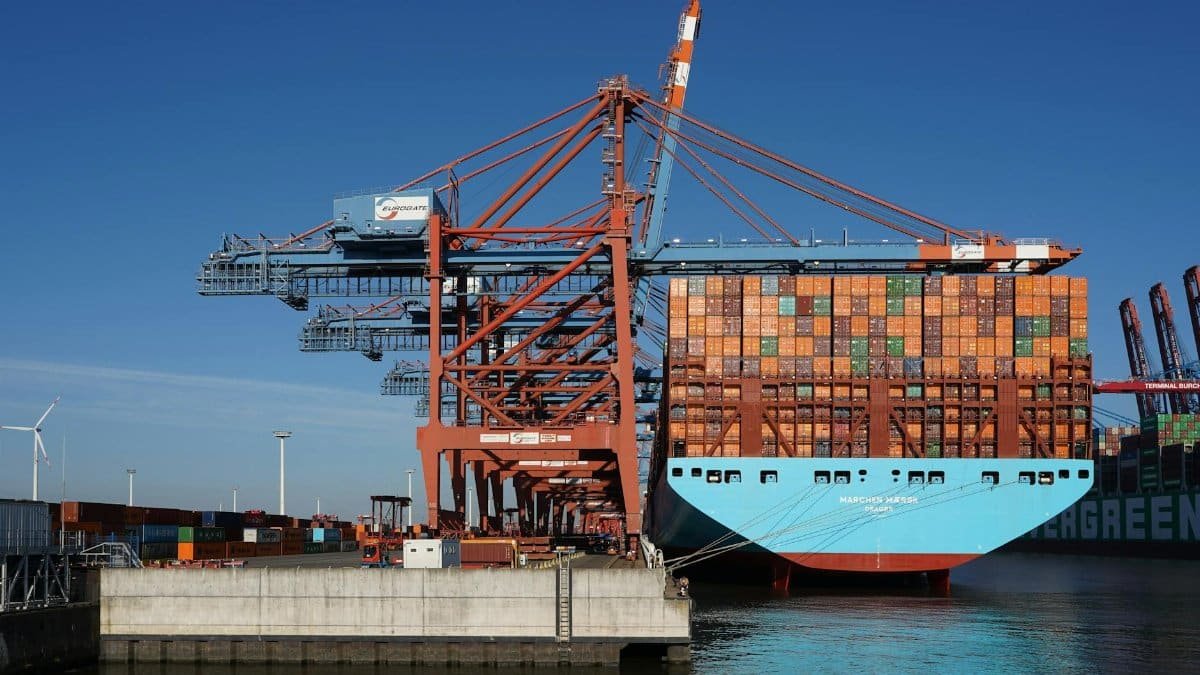
Salt air scents Port Townsend’s waterfront. Wheat ships docked here once. Gold rush boomed, bust followed. Mansions stood vacant. 1970s artists sparked revival. They formed co ops. Restored officers row into B&Bs.
Wooden Boat Festival launches 50,000 visitors. Antique stores overflow. Cafes serve Dungeness crab outdoors. Vacancy hit zero decades ago. Arts grants fuel ongoing work. “History hooked us all,” one painter shares. Economy mixes tourism, crafts. Population nears 10,000. Ferries carry day trippers daily.
Jacksonville, Oregon: Gold Rush Ghosts Go Gourmet

Bear Creek Valley cradles Jacksonville. Gold panned out in 1850s. Britain Hotel hosted presidents. Decline loomed until 1970s designation as historic district. Brick vaults became wine bars. Opera house reopened.
British Heritages Days mimic Victorian eras. Pear festival crushes fruit. Galleries host national shows. Tourism employs half the workforce. Sales jumped post restoration. The 3,000 locals picnic in parks amid 150 year old oaks. Subtle glow lights evening strolls.
Nevada City, California: Gold Country’s Hippie Historic Mix

Pine scented air fills Nevada City. Hydraulic mining scarred 1850s streets. Hippies arrived 1960s, sparking arts. They polished saloons into venues. Victorian theaters host bluegrass.
Miners Foundry turns weddings. Craft breweries pour IPAs. Victorian Christmas lights twinkle. Visitor numbers climb to 500,000 yearly. Local jobs in hospitality doubled. “Blend old and new,” a brewer advises. Population holds at 3,100. Trails link to gold digs nearby.
Beaufort, South Carolina: Lowcountry Elegance Endures
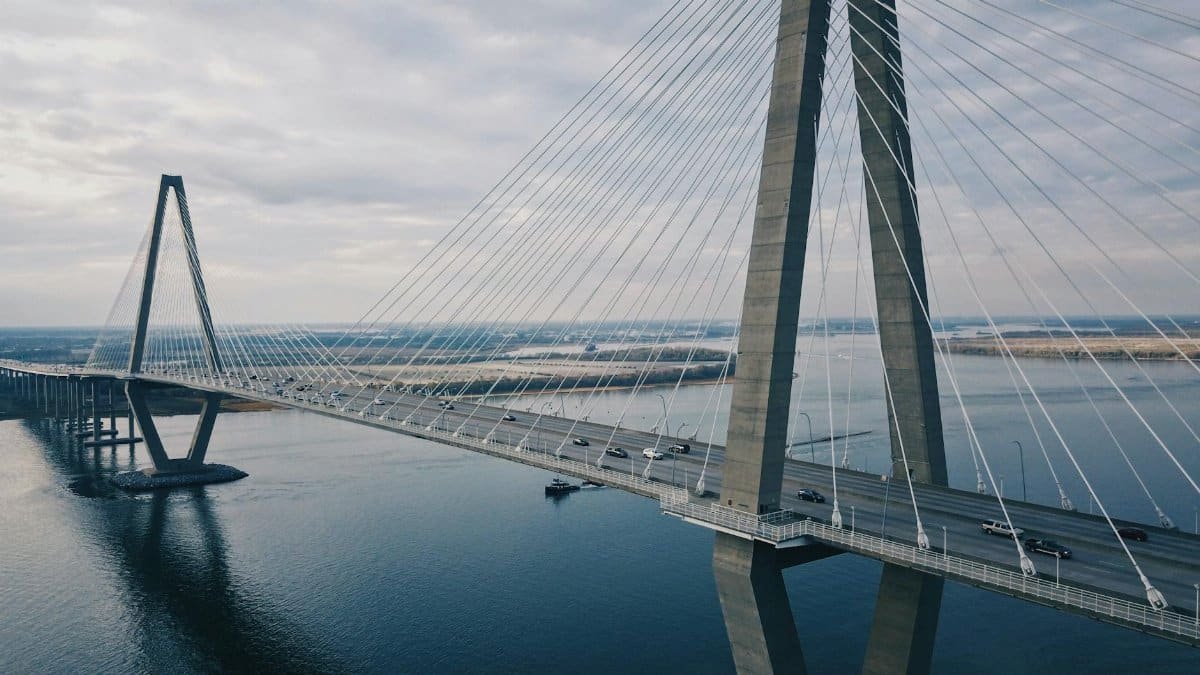
Spanish moss drapes oaks over Beaufort’s bayfront. Plantations faded post Civil War. Film crews discovered it first. Then main street got attention. Shotgun houses painted fresh. Waterfront Park built.
Shrimp festivals boil pots. Galleries sell Gullah art. Bed and breakfasts thrive. Tourism revenue hit $200 million. A Pew analysis highlights such rebounds in small towns.Pew Charitable Trusts on Small Town Growth. The 13,000 residents bike past tabby ruins. Shrimp and grits draw lines.
These towns share blueprints: leverage history, court visitors, nurture locals. Challenges linger, from funding squeezes to overtourism grumbles. Yet results speak. Restoring historic main streets rebuilds more than bricks. Economies strengthen. Communities cohere. More places eye the path.

With a career spanning investment banking to private equity, Dominik brings a rare perspective on wealth. He explores how money can be a tool for personal freedom and positive impact, offering strategies for abundance that align with your values.
Disclaimer
The content on this post is for informational purposes only. It is not intended as a substitute for professional health or financial advice. Always seek the guidance of a qualified professional with any questions you may have regarding your health or finances. All information is provided by FulfilledHumans.com (a brand of EgoEase LLC) and is not guaranteed to be complete, accurate, or reliable.