
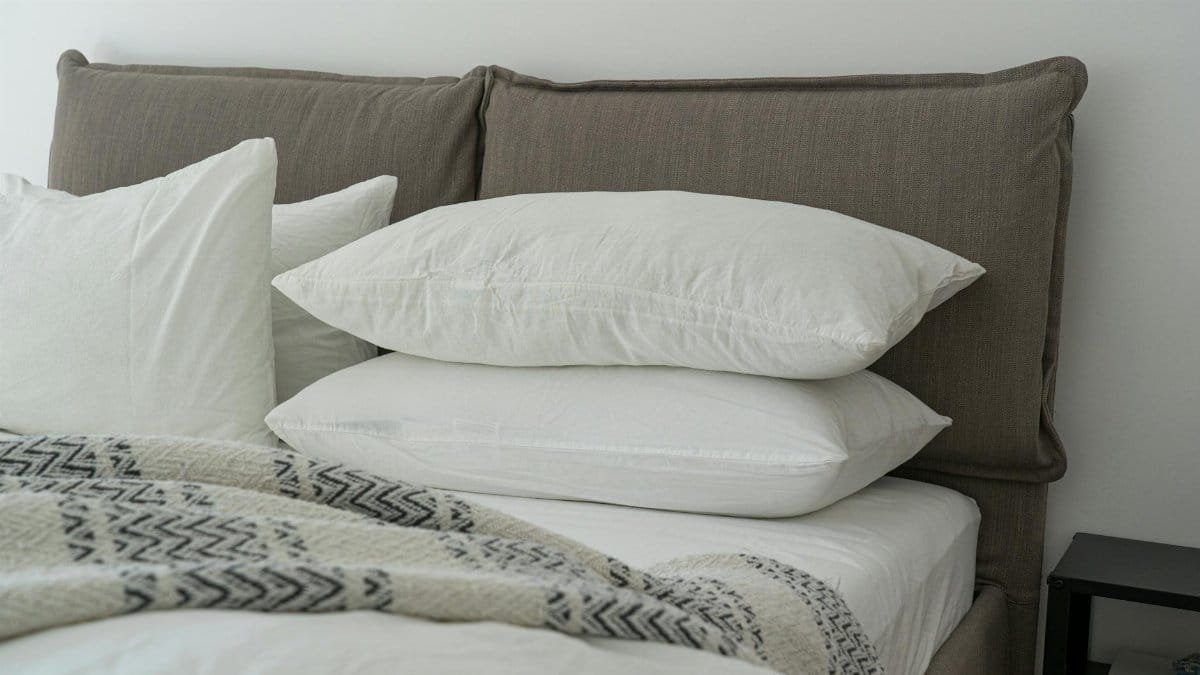
A 2019 study in the Journal of Sleep Research uncovered a troubling link: adults with cluttered bedrooms averaged 30 minutes less sleep nightly than those in tidy spaces.PubMed Abstract. Nearly half reported tossing amid visual chaos. Bedroom decluttering tips address this directly. They turn overwhelming piles into serene retreats. Sleep experts note clutter spikes stress hormones, mimicking a mental alarm clock. As urban apartments shrink and work bleeds into evenings, these strategies gain urgency. Simple changes yield profound rest. Americans spend a third of life asleep. Why let mess steal it?
Start with Clothes on the Floor

Clothes strewn across the carpet create tripping hazards at midnight bathroom runs. They signal unfinished days, lingering in the subconscious. Begin here. Gather every item into one spot. Sort ruthlessly: wear soon, wash now, donate later, trash irredeemable. Fold keepers into neat stacks. One woman in her forties recalled stepping over jeans nightly, her mind racing. After a 15 minute purge, she slept through. Pros recommend the “one touch” rule. Touch laundry once: straight to hamper or shelf. Floors cleared invite calm strides. Sleep follows.
Nightstand Minimalism Matters Most

The nightstand anchors bedtime rituals. Yet it often buries remotes, lotions, and half read books under charging cords. Pare it to essentials: lamp, book, water glass, alarm. Relocate chargers to a drawer organizer. Why? Visual noise disrupts winding down. A cluttered surface tricks the brain into alertness. Try the “three item limit.” Dust surfaces weekly. In public accounts, a middle aged dad described his nightstand pile as a “guilt monument.” Clearing it added hours to his rest. Small space, big impact.
Under the Bed Demands Attention
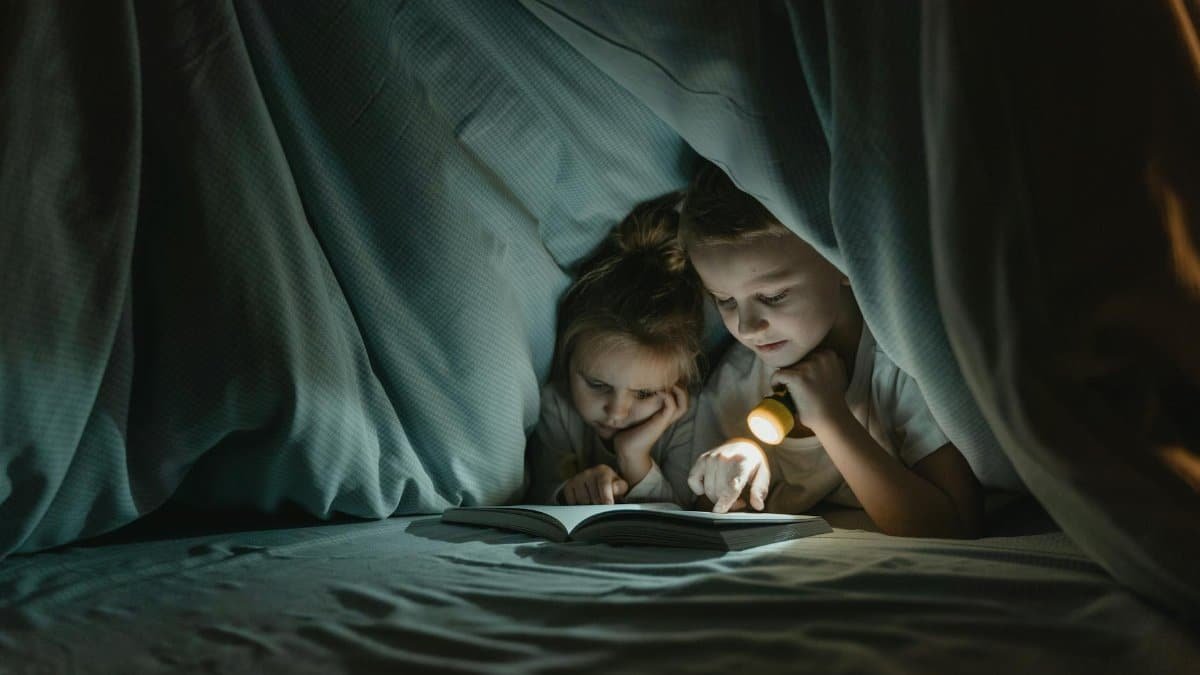
Dust bunnies and forgotten boxes thrive beneath mattresses. They foster allergens, worsening allergies that fragment sleep. Slide everything out. Vacuum thoroughly. Store only flat bins labeled by season: holiday decor, winter gear. Better yet, relocate to closets. Airflow improves, temperature stabilizes. Experts link poor underbed hygiene to warmer rooms, delaying sleep onset. One approach: measure space first, buy slim containers. A recent shared story captured it: “Pulling out those mystery bags felt liberating. My sinuses cleared overnight.” Breathe easier, slumber deeper.
Dresser Drawers Hide Daily Stress

Overstuffed drawers snag mornings, echoing into evenings. Pull each open. Empty completely. Use dividers for socks, underwear, tees. Fold vertically Marie Kondo style for visibility. Donate singles and stretched fabrics. Organized drawers mean smoother routines, less pre bed frustration. Clutter here correlates with cortisol spikes, per research.St. Lawrence University Study. Women especially feel the strain. Test it: time your morning prep before and after. Minutes saved compound into relaxed nights.
Closet Overhaul for Hidden Peace
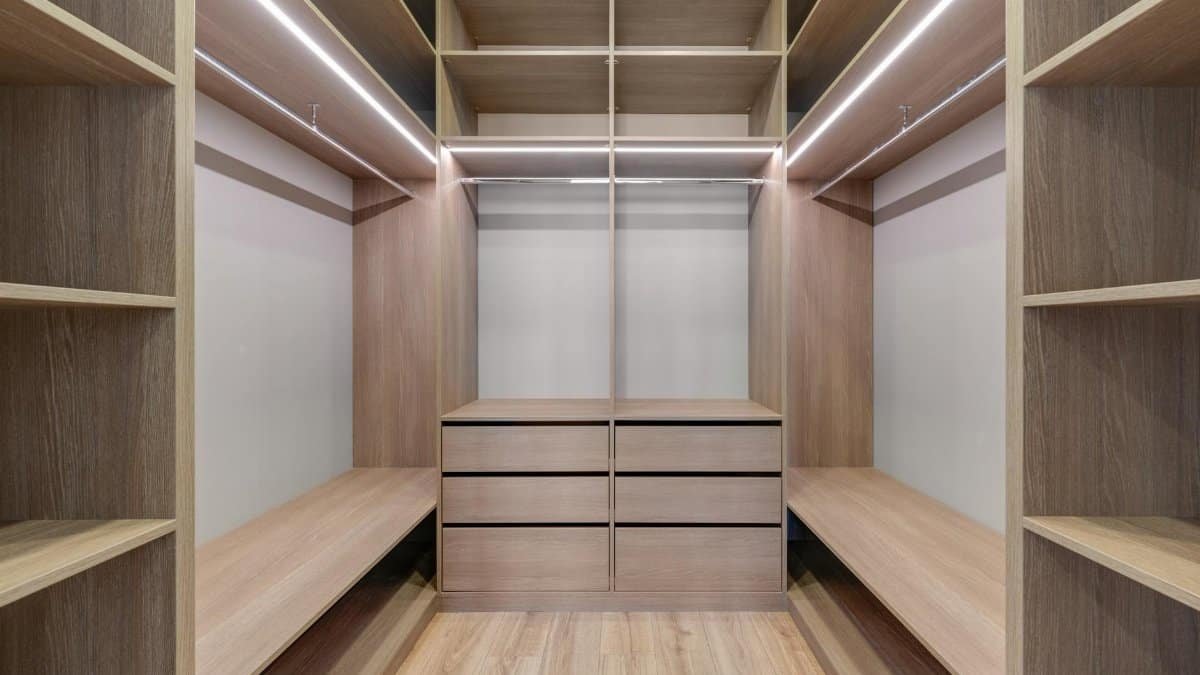
Bedroom closets overflow, spilling onto floors. Schedule a weekend audit. Hang by color and length. Shoe racks below, bags on top. Box seasonal items elsewhere. Mirrors stay; extras go. A chaotic closet breeds decision fatigue, taxing the mind before bed. Streamlining fosters subconscious order. “My closet was a black hole,” one anonymous account noted recently. Post declutter, she dressed faster, slept sounder. Aim for 30 percent empty space. Air circulates, moths flee. Tranquility extends from closet to covers.
Walls and Shelves Need Breathing Room

Photos, clocks, and knickknacks crowd walls, bombarding senses. Curate ruthlessly. Keep frames meaningful, spaced widely. Shelves hold three to five items max per level. Donate duplicates. Overstimulation here mimics screen glow, delaying melatonin. Edit for serenity: neutrals, soft textures. A group discussion in a community center highlighted this. Participants removed half their decor, reporting lighter moods at dusk. Test groupings thematically. Empty walls reflect calm, mirroring inner peace essential for rest.
Bedding Layers Simplified

Pillows multiply like rabbits: decorative, body, wedge. Limit to two sleep pillows, one throw. Wash weekly. Store extras in zipped bags elsewhere. Excess fabric traps heat, disrupts temperature regulation key to sleep cycles. Per NIH guidelines, cool bedrooms promote deeper stages.National Heart, Lung, and Blood Institute. Fluff duvets daily, shake sheets. One tip: invest in quality over quantity. A user’s forum reflection rang true: fewer pillows meant fewer adjustments mid night.
Electronics Exile Before Lights Out

Phones, tablets glow temptations from dressers. Blue light suppresses melatonin, per experts. Designate a charging station outside the bedroom: kitchen counter works. Use night mode if essential. Unplug entirely for full reset. Cluttered tech piles signal work unfinished, heightening anxiety. Mayo Clinic endorses device free zones.Mayo Clinic Sleep Tips. Relocate cables neatly. “Ditching the phone dock transformed my evenings,” shared one voice online. Darkness invites drowsiness.
Papers and Trash Vanish Quick

Bills, mail, wrappers accumulate bedside. They nag unresolved tasks. Weekly sweep: shred junk, file keepers in a bedroom free folder elsewhere. Trash bins empty daily. Paper chaos fuels mental loops, as APA notes on clutter stress.American Psychological Association. Surfaces pristine signal closure. Scan apps digitize remnants. Effort pays: minds quiet, bodies follow into sleep.
Lighting Tweaks for Gentle Fade

Harsh bulbs and stray lamps jar nerves. Swap for dimmers, warm LEDs under 2700K. Donate spares. Cluttered fixtures collect dust, dimming output. Proper light eases circadian shifts. Layer: overhead for cleaning, bedside for reading. One observer noted friends lingering brighter longer in messy lit rooms. Dial down gradually post dinner. Twilight mimics nature, coaxing rest.
Final Touches Seal Sanctuary Status

With basics cleared, add intention: scented candle (unlit), live plant for oxygen. Avoid fussy vases. These nod to nature, lowering heart rates. Online chatter often praises plants cutting bedroom stress. Maintain weekly: water, wipe leaves. Scent diffusers with lavender soothe subtly. Step back. Survey the space. Bedroom decluttering tips culminate here. A haven emerges, promising uninterrupted nights. Track sleep weekly. Improvements compound. Rest redefined awaits.

Natasha is the heart of our exploration into conscious connection. Applying principles from multiple counseling courses in her own life, she guides you to cultivate stronger, more joyful bonds.
Disclaimer
The content on this post is for informational purposes only. It is not intended as a substitute for professional health or financial advice. Always seek the guidance of a qualified professional with any questions you may have regarding your health or finances. All information is provided by FulfilledHumans.com (a brand of EgoEase LLC) and is not guaranteed to be complete, accurate, or reliable.