
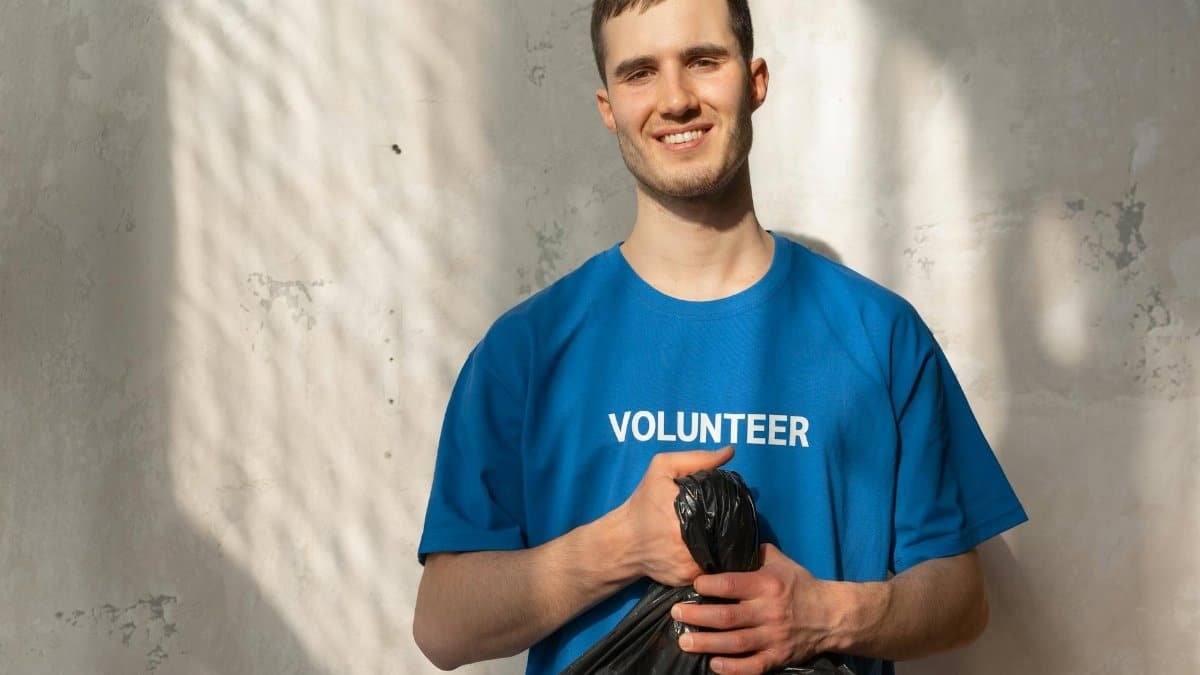
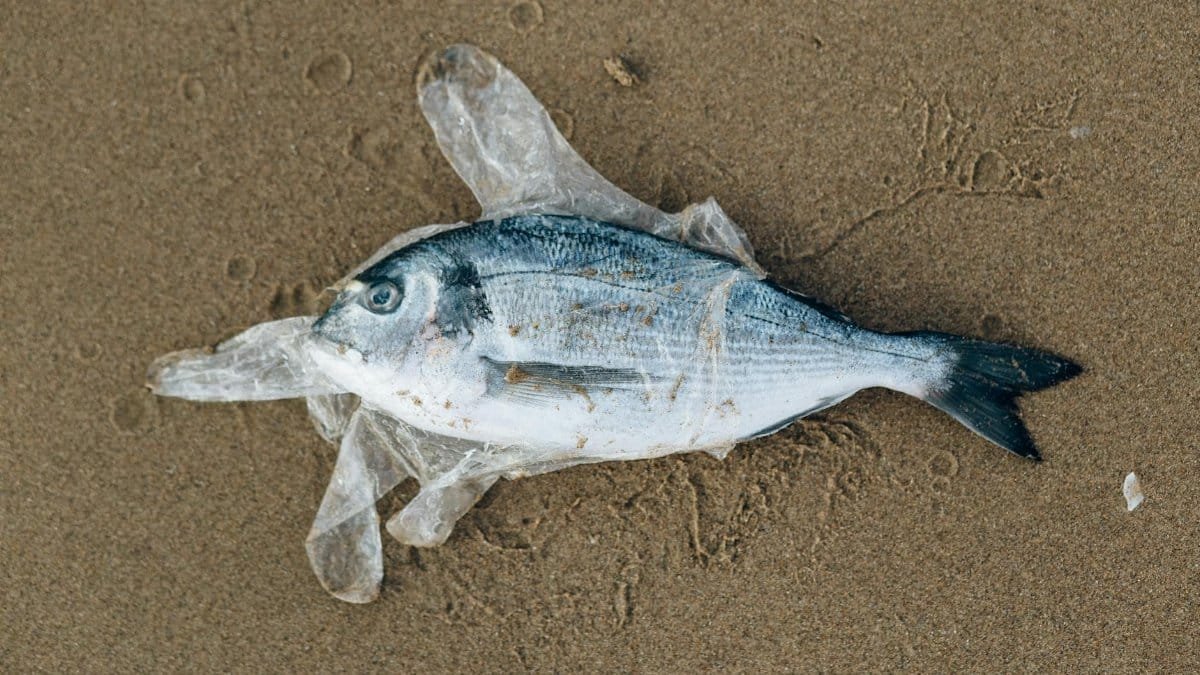
Every year, roughly 11 million metric tons of plastic pour into the oceans, equivalent to a garbage truck’s load dumping into the sea every minute. That number, drawn from comprehensive tracking by scientists, underscores a crisis that’s only worsening.Our World in Data. Amid this onslaught, ocean cleanup initiatives have emerged as beacons of progress. Teams of engineers, activists, and everyday volunteers are deploying cutting-edge tech and grassroots strategies to haul out tons of debris. These efforts not only remove waste but also spotlight prevention. From vast Pacific deployments to river blockades, 12 standout projects show what’s possible when innovation meets resolve.
1. The Ocean Cleanup
Dutch innovator Boyan Slat launched this ambitious venture in 2013, targeting the Great Pacific Garbage Patch. Early systems used floating booms to corral plastic. Now, refined Interceptors snag trash in rivers before it reaches the sea. In 2023, System 03 began autonomous pulls from the Pacific, extracting over 100,000 kilograms in months. Crews watch debris funnel into nets, a slow but steady harvest. The group reports removing the equivalent of five years’ worth of annual ocean plastic inflow from targeted zones. Challenges persist, like wildlife safety, yet data shows scalability.The Ocean Cleanup Updates.
2. 4ocean

Picture divers off Bali’s coast, surfacing with nets bulging from plastic bottles and fishing line. 4ocean turns this labor into a business model. Customers buy bracelets woven from recovered ocean plastic; each funds one pound removed. Since 2017, they’ve pulled more than 25 million pounds worldwide, partnering with local fishers in Indonesia and Honduras. One captain shared how monthly payouts stabilized his income while cleaning his waters. Sales fuel expansion, blending commerce with conservation. Critics question long-term efficacy, but tonnage metrics prove tangible gains.
3. Seabin Project

Harbors worldwide hum with these floating garbage bins, sucking in surface debris like vacuum cleaners on steroids. Invented by two Australian surfers tired of trashy waves, the Seabin captures microplastics, oils, and detritus 24/7. Installed in marinas from Sydney to San Francisco, over 1,000 units operate today. A single unit traps up to 3 cubic meters of water per hour, filtering out cigarette butts and Styrofoam. Operators empty them daily, turning hauls into striking before-and-after photos. Backed by yacht clubs, the project scales quietly through ports.
4. Parley for the Oceans
High-profile partnerships define Parley. Teaming with Adidas, they transform beach plastic into sneakers and apparel. Films of volunteers on Maldives shores, sifting nurdles from sand, capture the grit. Since 2015, Parley has prevented millions of bottles from polluting via supply chain interventions. Their AIR strategy—Avoid, Intercept, Redesign—shifts focus upstream. Collaborations with UNESCO amplify reach. One Maldives resort manager noted cleaner beaches boosted tourism. Material recycled hits apparel stores, proving pollution can fuel profit.
5. Ocean Voyages Institute
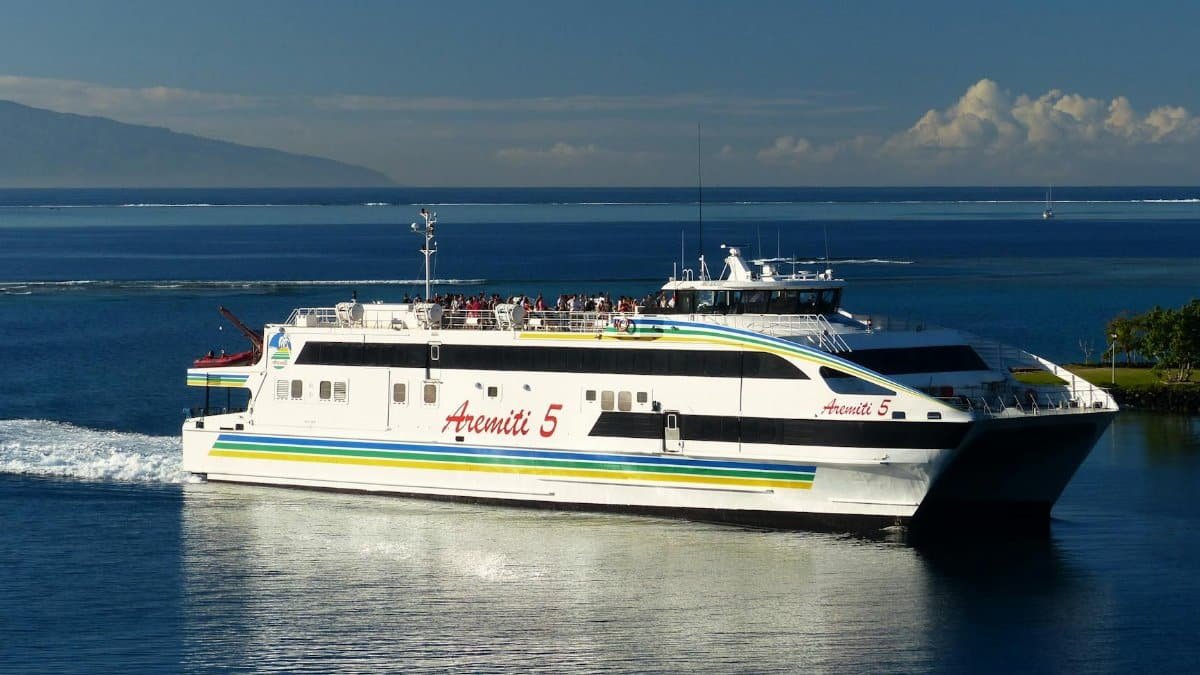
In 2020, the MV John Paul DeJoria steamed into the Pacific, netting 100 tons of ghost nets in one go—the largest marine debris haul ever. Led by navigator Mary Crowley’s team, this nonprofit targets derelict fishing gear that entangles whales. Expeditions use sonar to locate “trash islands.” Crews cut free massive tangles, airlifting them to recycling. Over 1,000 tons removed since inception. A deckhand recalled wrestling a net twice his size, revealing ensnared sharks inside. Funding from donors keeps voyages afloat.
6. Surfrider Foundation
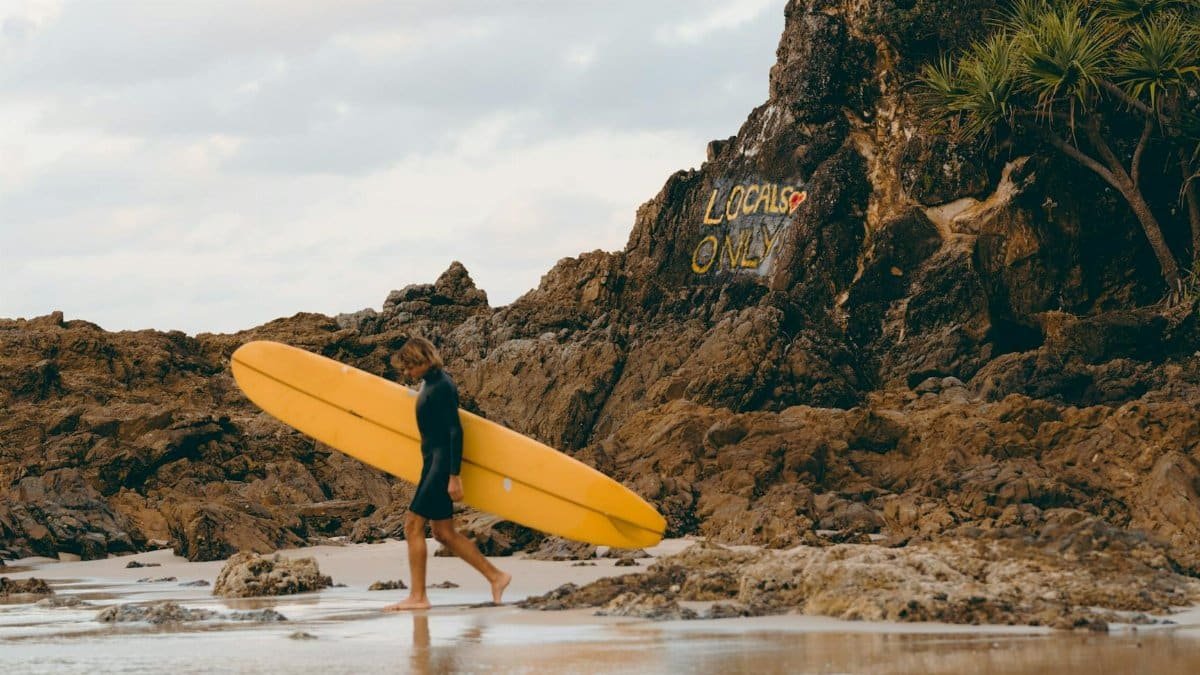
Surfers know polluted waves hit hardest. Surfrider’s Rise Above Plastics program rallies beach cleanups across U.S. coasts, from California to Florida. Volunteers log data via apps, influencing policy. They’ve banned single-use plastics in dozens of cities. One cleanup leader described dawn patrols filling trucks with bottle caps. National tallies exceed 1 million pounds annually. Advocacy led to California’s plastic bag ban. Local chapters blend action with education, turning outrage into ordinances.
7. 5 Gyres Institute

Expeditions to all five ocean gyres map plastic concentrations, arming advocates with science. Co-founders sailed the Atlantic, tallying particles per square kilometer. Their research exposed microbeads, spurring U.S. bans. Now, they partner on cleanups, removing tons from remote patches. A recent voyage yielded data showing fibers dominate. Reports influence treaties like the UN Plastic Pollution talks.Pew Charitable Trusts on Ocean Plastics. Grassroots expeditions engage citizens in the data hunt.
8. Plastic Bank
Poverty meets pollution in this incentive model. In Haiti and the Philippines, collectors trade trash for digital credits redeemable for food or school fees. Over 5 billion pounds incentivized since 2013. Weighing stations buzz with locals hauling sacks of bottles. Blockchain tracks each kilogram to recyclers. One collector beamed about sending her child to school thanks to payouts. Partnerships with brands like SC Johnson scale it globally. Impact reports highlight reduced dumping.
9. Mr. Trash Wheel
Baltimore’s Patapsco River hosts this whimsical hero: a floating wheel powered by solar and rainwater, chomping debris en route to Chesapeake Bay. Four wheels now operate, removing over 1.5 million pounds since 2014. Cameras livestream catches—tires, toys, basketballs. Locals name them Mr. Trash Wheel, Professor Trash Wheel. Data feeds waterway models. A park ranger watched it snag a kayak mid-spin. Fun branding draws volunteers, proving charm cleans waters.
10. CleanHub

Supply chains get scrutinized here. CleanHub equips brands like Logitech to fund collections in Indonesia’s hard-hit areas. Collectors use apps for pickups, earning steady wages. Over 1 million kilograms diverted from rivers. A coordinator mapped hotspots via GPS, targeting factories. Transparent dashboards show progress. This backend approach prevents ocean entry, complementing at-sea efforts.
11. The Great Bubble Barrier
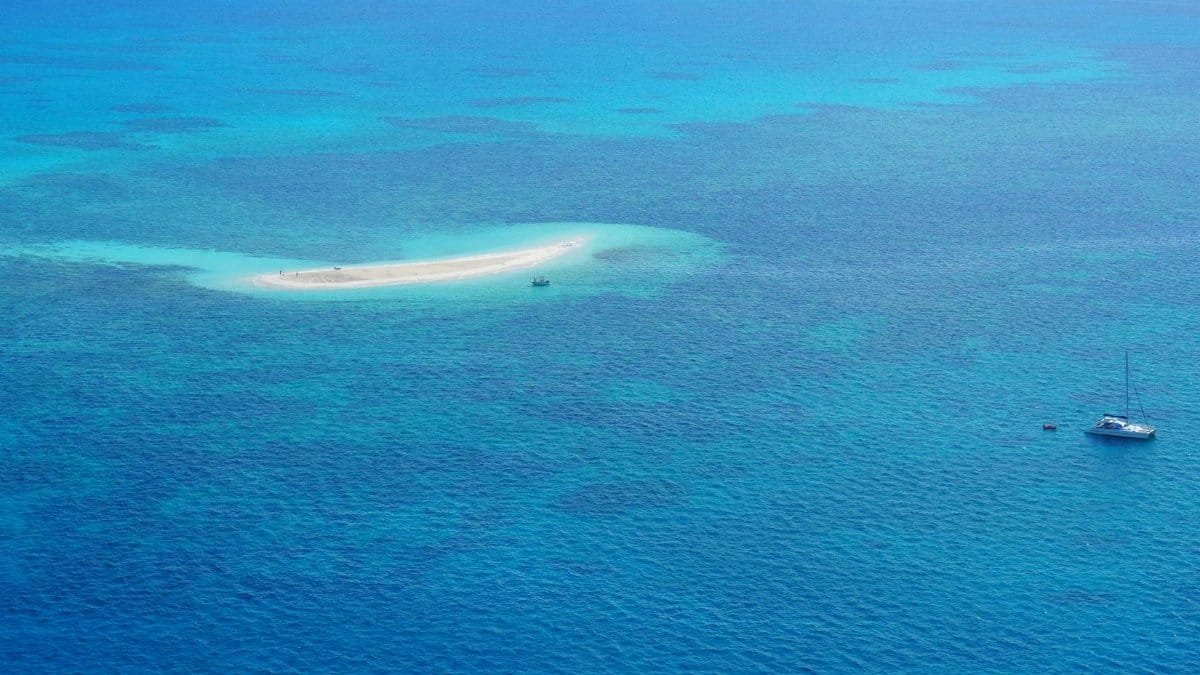
Underwater bubbles create curtains trapping river plastics. Deployed in Rotterdam’s New Meuse, the system floats debris to skimmers without blocking ships. Pilots in Amsterdam follow. Over 50,000 kilograms captured in tests. Engineers tweak air pumps for efficiency. One operator likened it to a gentle whirlpool. Patents enable global licensing, revolutionizing inland interception.
12. NetWorks and Healthy Seas

Ghost nets, responsible for 640,000 tons yearly, get dismantled through this alliance.IUCN on Ocean Plastic. Divers recover gear from Mediterranean depths, shredding it into yarn for Stella McCartney bags. Thousands of tons recycled. A freedolhin sighting post-removal inspired teams. Funded by brands, it blends rescue with reuse.
These ocean cleanup initiatives prove momentum builds when tech, community, and policy align. Challenges like funding and scale loom large, yet tons removed signal hope. Broader adoption could stem the plastic tide, safeguarding seas for generations.

With a career spanning investment banking to private equity, Dominik brings a rare perspective on wealth. He explores how money can be a tool for personal freedom and positive impact, offering strategies for abundance that align with your values.
Disclaimer
The content on this post is for informational purposes only. It is not intended as a substitute for professional health or financial advice. Always seek the guidance of a qualified professional with any questions you may have regarding your health or finances. All information is provided by FulfilledHumans.com (a brand of EgoEase LLC) and is not guaranteed to be complete, accurate, or reliable.