
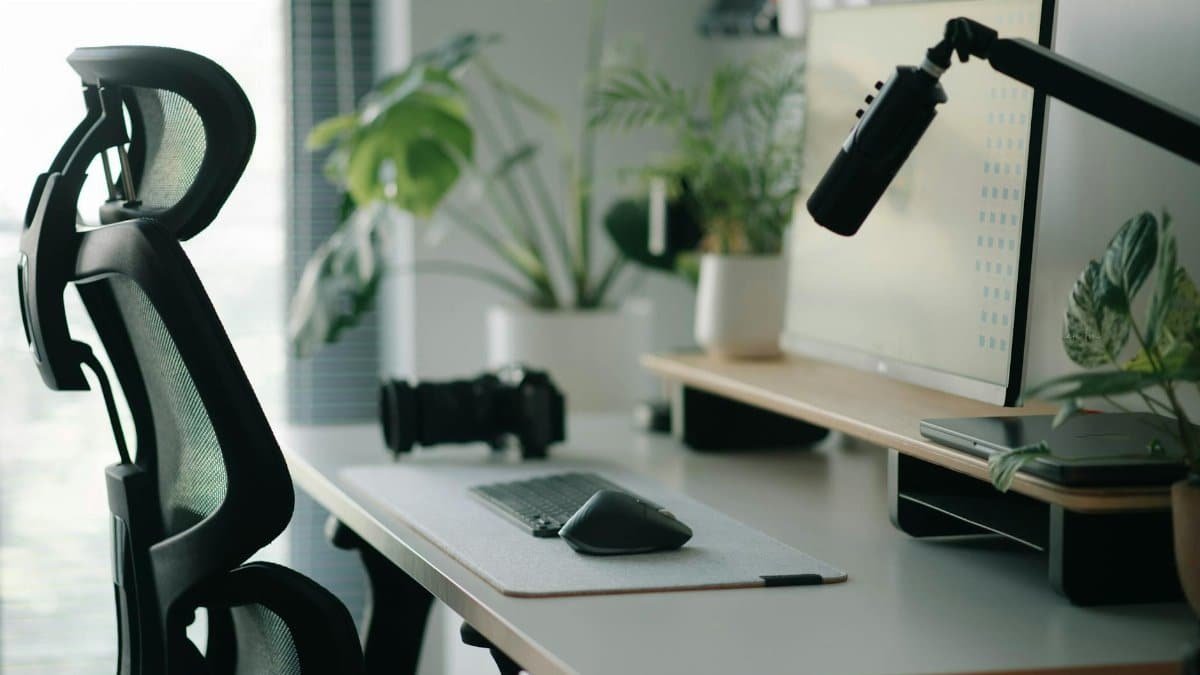
In the wake of the pandemic, remote work has reshaped American homes. A 2023 Pew Research Center analysis shows 35 percent of workers whose jobs allow it now labor from home full time, often in spaces under 800 square feet. Cramped kitchens and corners double as offices. Backaches mount. Productivity dips. Ergonomic small space hacks emerge as quiet saviors. These tweaks—simple, affordable—bend physics and physiology to fit work into life’s tightest spots. Designers and everyday remote workers swear by them. They promise pain-free postures without renovation budgets. As hybrid schedules persist, mastering these hacks could redefine comfort in constrained quarters.
Rethinking the Desk: Vertical Lifters

Standard desks devour floor space. Vertical lifters change that. Picture a sturdy shelf bolted to the wall, cranked up or down with a hand lever. No bulky frame below. Legs dangle freely. One architect in Chicago rigged hers from lumberyard finds. She types reports now without hunching, her spine thanking the alignment. Experts at the Occupational Safety and Health Administration endorse such setups. Keep elbows at 90 degrees, screen at eye level. Measure twice. Install once. Room for yoga mats unfolds underneath. Multitasking thrives.
Chair Swaps for Stool Mastery
Ditch the dining chair. Swap for a drafting stool with foot rung. Heels hook there, easing lower back strain. In tiny studios, this leaves knee room for crossing legs. A graphic designer shared how hers, perched high, lets her swivel to bookshelves without standing. Circulation improves. Muscles relax. The Mayo Clinic stresses foot support prevents varicose veins and fatigue. Add a cushioned mat if floors chill bare feet. Adjust height so thighs slope slightly down. Comfort compounds over eight-hour days.
Monitor Arms: Eyes on the Prize
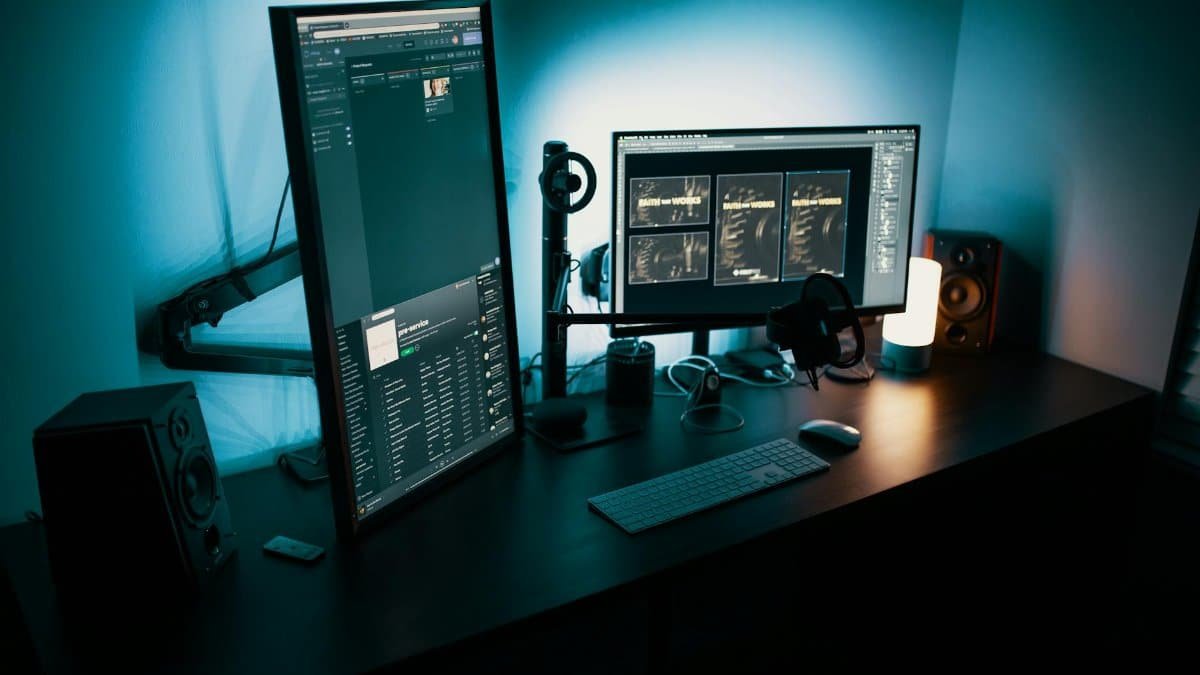
Stacked books prop laptops poorly. Articulating arms clamp to desks, floating screens forward. Necks stay neutral. No more forward tilt, that silent killer of cervical health. A Seattle coder mounted hers beside a window. Natural light floods in. Glare fades with tilt adjustments. The Centers for Disease Control and Prevention links poor screen positioning to headaches. Aim top at brow line. Swing away for video calls or tea breaks. Cable clips keep wires tame. Space breathes again.
Keyboard Trays: Wrist Relief Below
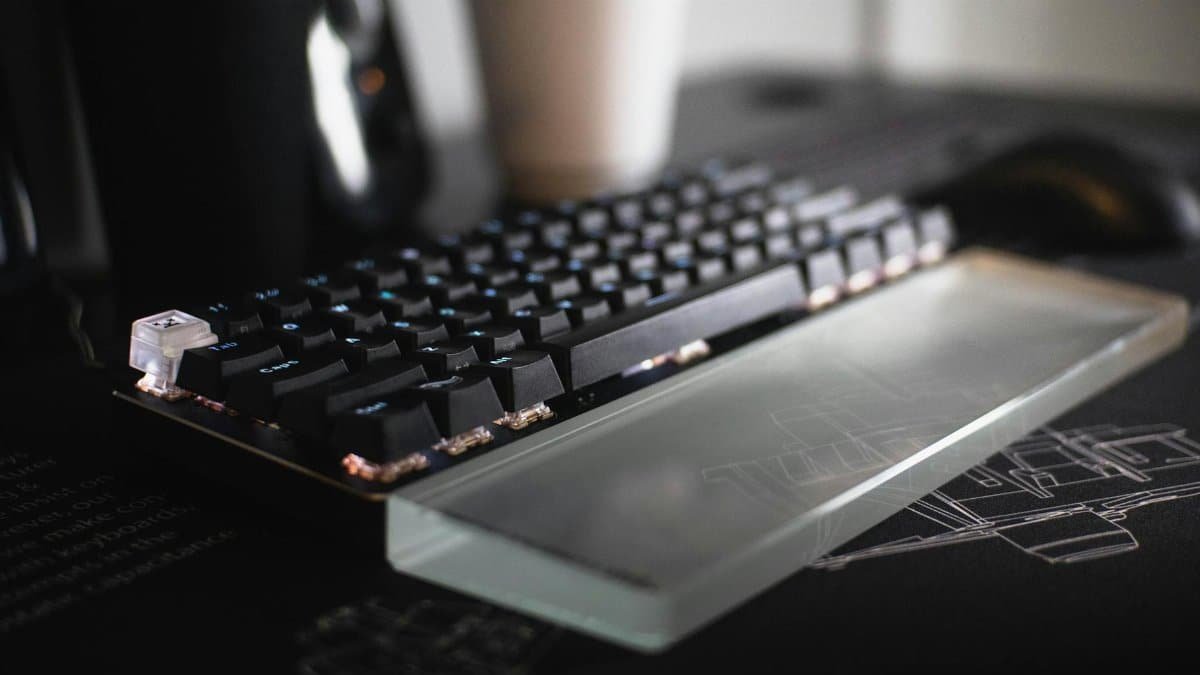
Desks become clutter magnets. Slide-out keyboard trays tuck gear underneath. Wrists hover straight, thumbs relaxed. Tension evaporates. In a Brooklyn one-bedroom, a writer pulled hers from a drawer unit. Mouse glides beside. Elbows close to ribs. Neutral wrists cut carpal tunnel risk, per occupational therapists. Fabricate one from plywood and sliders. Depth matters—six inches suffices. Pull out for work. Stash for dinner. Dual monitors perch above, unobstructed. Flow feels effortless.
Footrests from Everyday Finds

Feet dangle? Blood pools. Fashion a footrest from a sturdy box wrapped in towel. Heels rest flat, knees at 90. Circulation hums. A Boston consultant stacked yoga blocks under her stool. Calves stretch intermittently. The CDC notes uneven leg positioning sparks sciatica. Elevate six inches. Angle optional for variety. Rocks gently if needed. In humid summers, breathable fabrics prevent sweat. Simple fix yields marathon sessions without numbness.
Lumbar Bolsters: Back’s Best Friend

Chairs lack curve? Roll a towel into a log, secure with tape. Jam behind lower back. Spine’s natural S-shape restores. Posture perks up. One remote marketer in Austin cinched hers with velcro. Hours vanish painlessly. OSHA guidelines highlight lumbar support slashes disk pressure. Fabric rolls beat bulky pillows in slim spots. Refresh weekly. Breathe deeply. Core engages naturally. Desk life transforms.
Cable Management Magic

Tangled cords trip minds. Zip ties and under-desk baskets corral them. Outlets breathe. Feet roam free. A Los Angeles editor velcroed hers to legs. No more hunting plugs mid-Zoom. Clutter stresses subconsciously, studies suggest. Pathways clear for vacuums too. Sleeve covers bundle multiples. Label for sanity. Minimalism reigns. Focus sharpens amid chaos conquered.
Lighting Layers for Strain-Free Eyes
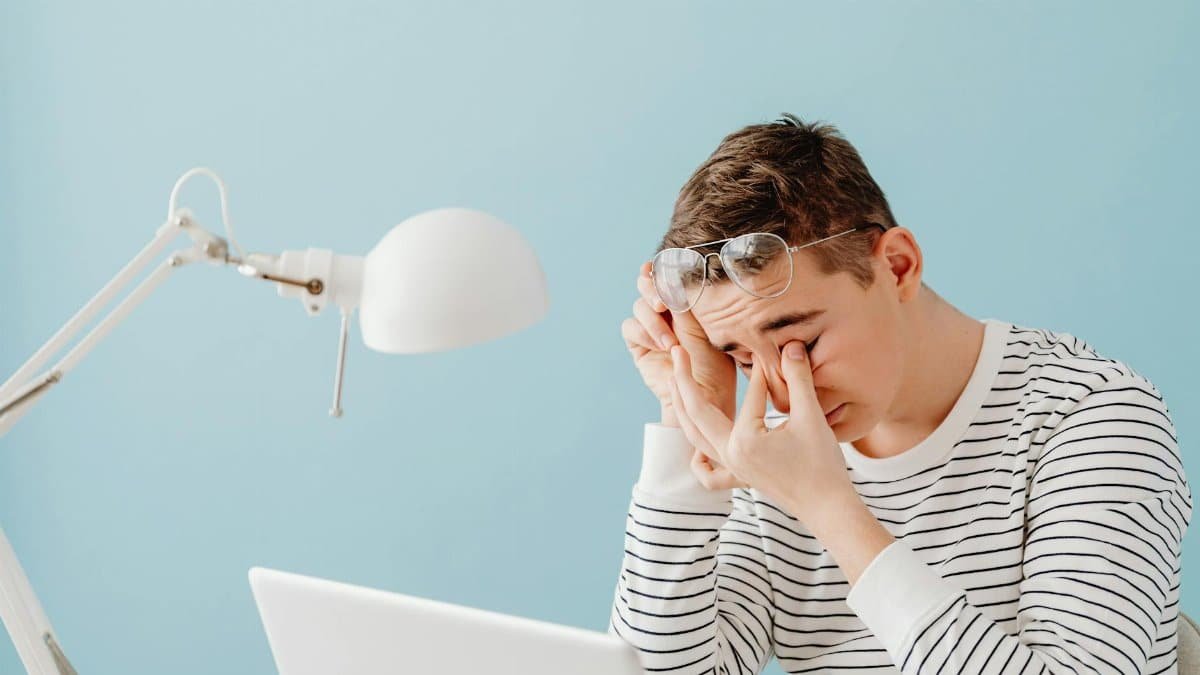
Overhead bulbs cast shadows. Clamp task lamps nearby, dimmable. Screens glow evenly. Eyes relax. Pair with daylight bulbs mimicking sun. A Portland analyst angled hers over keyboard. No squint. The American Optometric Association ties poor light to dry eyes. Bounce light off walls for diffusion. Timers sync with shifts. Corners brighten without bulk. Vision holds steady through deadlines.
Standing Converters: Alternate Heights
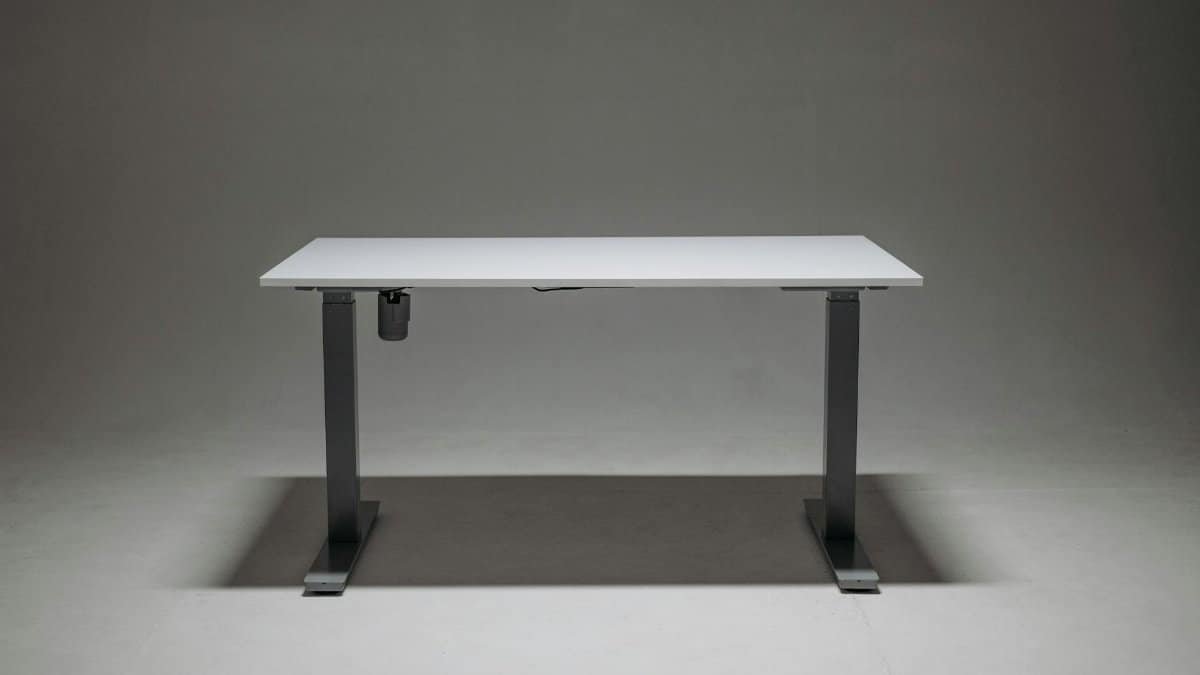
Sit all day? Desk risers flip to standing. Hips level with elbows. Calves pump lightly. A Denver teacher stacks boxes first, upgrades to hydraulic later. Blood flows. Energy spikes. NIOSH research warns prolonged sitting risks heart issues. Alternate every 30 minutes. Mats cushion feet. Stools nearby for breaks. Small footprint, big vitality boost.
Vertical Storage: Walls Work Harder

Floors flood with files. Pegboards and shelves climb walls. Supplies stay arm’s reach. Backs spare bending. In narrow hallways turned offices, one planner hung baskets. Pens dangle. Notebooks slot. Space illusion grows. Multifunction: mirror above hides mess. Reach without rise. Efficiency soars in square footage starved homes.
Mindful Breaks: Posture Prompts
Hacks falter without habits. Sticky notes remind: “Shoulders down.” Stretch hourly. One forum post captured a worker’s relief: “Finally, my neck stopped screaming after these tweaks.” Apps chime for walks. Plants nod at windowsills, drawing eyes up. Hydration stations nearby curb slumps. Sustainability seals ergonomic gains. Bodies adapt. Homes endure as offices indefinitely.

Natasha is the heart of our exploration into conscious connection. Applying principles from multiple counseling courses in her own life, she guides you to cultivate stronger, more joyful bonds.
Disclaimer
The content on this post is for informational purposes only. It is not intended as a substitute for professional health or financial advice. Always seek the guidance of a qualified professional with any questions you may have regarding your health or finances. All information is provided by FulfilledHumans.com (a brand of EgoEase LLC) and is not guaranteed to be complete, accurate, or reliable.