
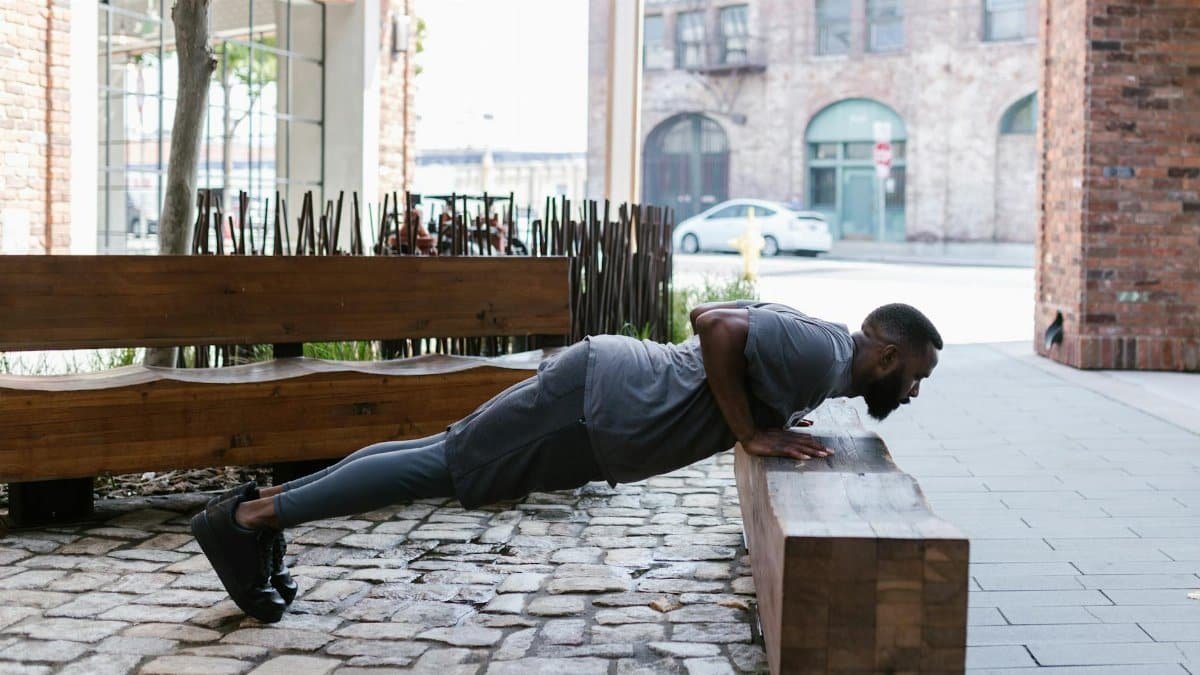
A study last year from the American Council on Exercise found that standard push-ups activate chest muscles effectively, but improper form spikes shoulder stress by up to 40 percent among everyday gym users. That revelation underscores a quiet crisis in fitness routines nationwide. Perfect push up biomechanics promises relief, transforming a simple bodyweight move into a powerhouse for strength without the ache. For middle-aged Americans chasing better health amid desk-bound days, getting this right could redefine workouts.
The Shoulder Joint Under Scrutiny
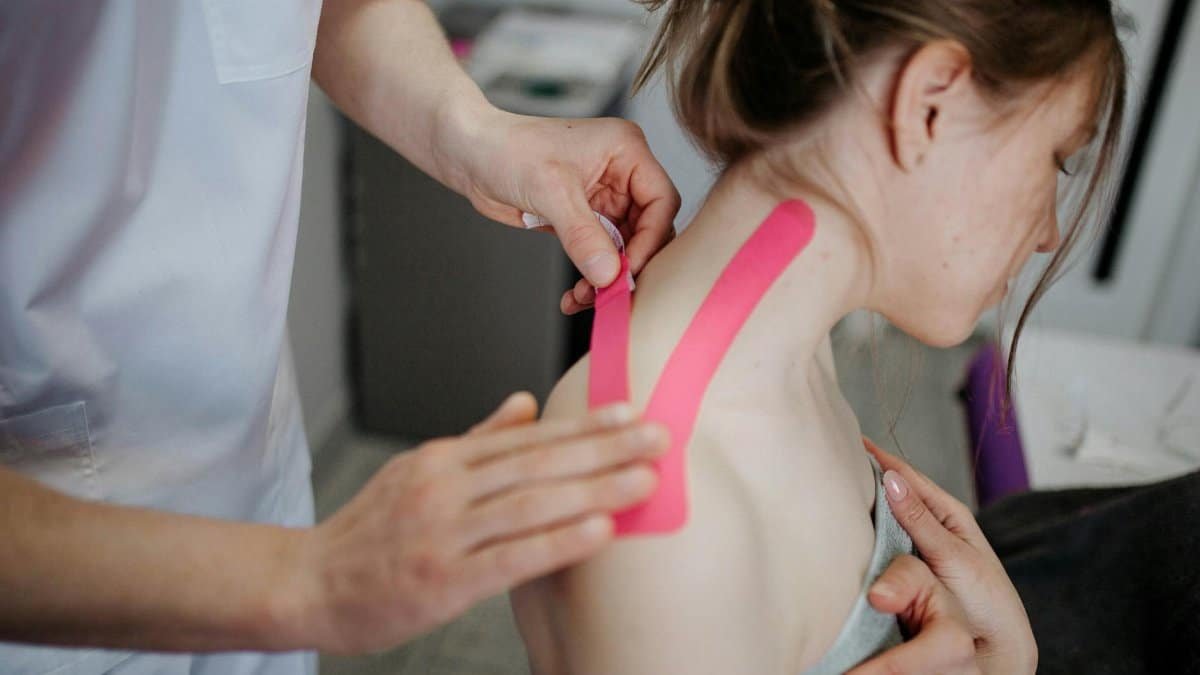
Push-ups place immense demand on the shoulder girdle. The glenohumeral joint stabilizes under load as arms extend and retract. Trainers watch recruits falter here first. Elbows flare outward, turning the exercise into a torque machine. Proper alignment keeps humerus tracking parallel to the torso. Picture a coach in a bustling Chicago gym correcting a middle-aged dad: “Tuck those elbows at 45 degrees.” That small shift preserves the rotator cuff, those four small muscles anchoring the shoulder.
Biomechanics experts emphasize scapular retraction. Blades pull back and down, creating a stable base. Without it, the head of the humerus grinds forward, inviting impingement. Observations from physical therapy clinics reveal patterns. Patients arrive clutching iced shoulders after months of aggressive reps. Recovery starts with relearning basics.
Core Engagement as the Unsung Hero
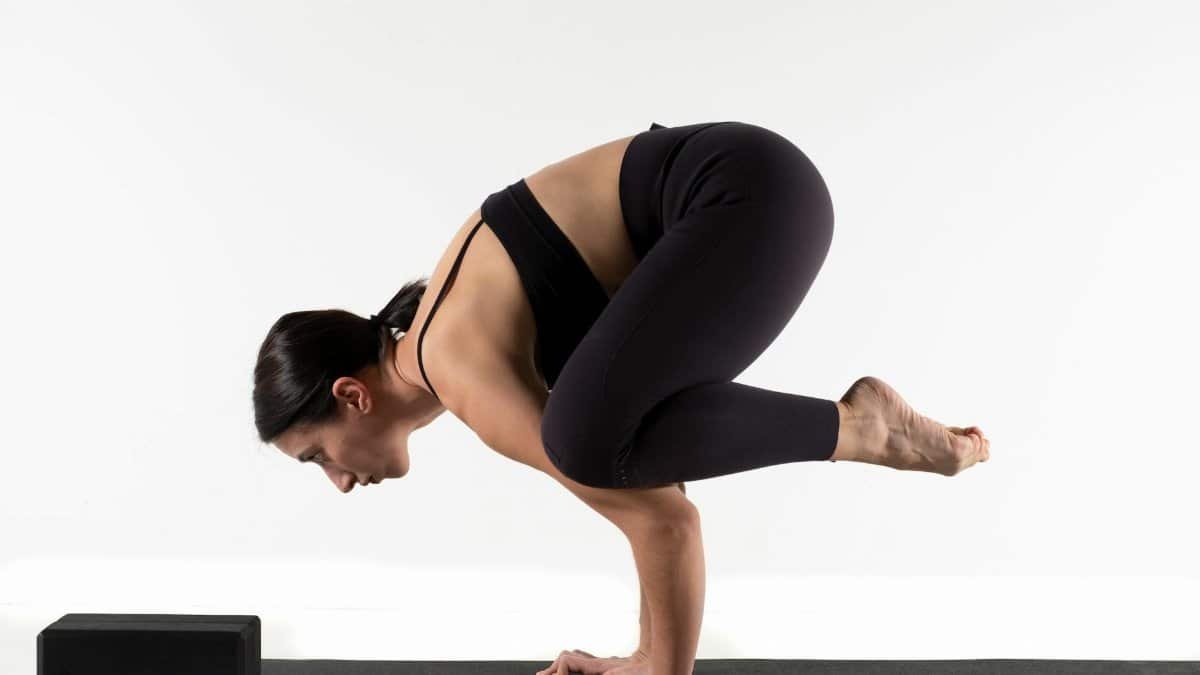
No discussion of perfect push up biomechanics skips the midsection. Planks form the foundation, yet many treat push-ups like isolated arm pumps. Engage the abs fully. Brace as if expecting a punch. This neutral spine position prevents lumbar sway, a common saboteur.
One therapist shared a snapshot from her practice. A software engineer in his 40s, fresh from online tutorials, arched his back dramatically. “It felt stronger,” he insisted. Reality differed. His lower back screamed after 20 reps. Solution? Cue the core lock-in. Suddenly, power transferred efficiently from chest to ground.
Hand and Wrist Positioning Secrets
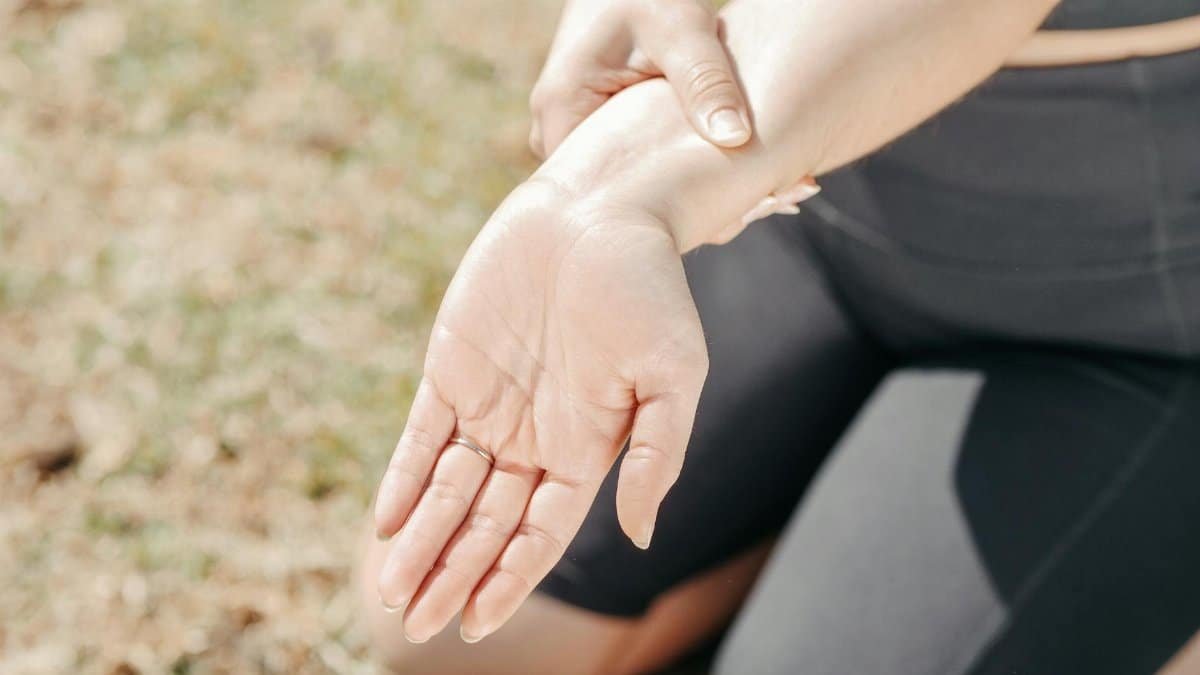
Fingers splay wide, pointing forward or slightly out. Wrists stack under shoulders, forming a straight line. Deviate, and carpal joints hyperextend. That subtle misalignment cascades upward, straining elbows and beyond.
Variations help newcomers. Fists elevate wrists, reducing bend. Or use push-up handles for neutral grip. A recent account from public fitness forums captured the difference: someone described transitioning from pain-riddled sessions to pain-free dozens. “Hands under shoulders, rotate thumbs out—it clicked,” they noted. Such tweaks make the move accessible, even for those with prior tweaks.
Decoding the Descent Phase

The eccentric lower halves the risk. Control the drop, taking three seconds. Chest hovers an inch from the floor. Hips stay level, no sagging or piking. This phase builds tendon resilience, key for longevity.
Force plates in labs confirm it. Studies show peak ground reaction forces hit during descent if rushed. Slow it down, and muscle activation evens out. Trainers liken it to a controlled elevator ride versus a freefall.
Chest Activation Without Strain

Perfect push up biomechanics targets pectoralis major optimally. Protract the shoulders at the top, then retract fully. This scapulohumeral rhythm mimics natural motion. Forget the myth of wider hand placement for bigger chest work—it invites shoulder hike.
A 2017 ACE-sponsored study compared variants. Standard form topped charts for sternal pec engagement, outpacing diamonds or wides. Participants, mostly fit adults, showed balanced activation sans excess deltoid pull.
Common Pitfalls Exposed

Heads bob up, eyes strain forward. Keep gaze neutral, neck long. Partial reps cheat gains; full range rules. Neck cranes signal compensation elsewhere.
Overarching reveals weak glutes. Squeeze them tight. In group classes, instructors spot clusters of these errors. One veteran coach recalled a corporate bootcamp: half the group halted at rep five, forms crumbling. Reset with verbal cues—”body as a board”—and they powered through.
The Science of Force Distribution

Push-ups mimic 65 percent of bodyweight bench press load. Joint moments peak at the bottom. A biomechanical breakdown via motion capture reveals elbow flexion angles matter most. Stay between 90 and 120 degrees for safety.
Researchers at Auburn University detailed this in a pivotal paper. Their 2010 analysis in the Journal of Strength and Conditioning Research quantified push-up kinetics. Improper elbow paths doubled humeral stress. Data urged strict form for all levels.
Scaling for Beginners and Veterans

Incline push-ups against a bench reduce load to 50 percent. Elevate feet for challenge. Wall versions suit rehab. Progress methodically.
Middle-aged readers often start here. A former smoker rebuilding post-50 shared progress anonymously online: knee push-ups evolved to full sets in weeks. “Biomechanics focus turned frustration to pride,” he wrote. Veterans add pauses at bottom for time under tension.
Protecting Rotator Cuffs Long-Term

Rotator cuff tears plague 20 percent of over-40 exercisers. Push-up flaws accelerate wear. External rotation cues—thumbs up on ascent—counter it.
The National Institutes of Health hosts research affirming prehab exercises pair well. Band pull-aparts prime the cuff beforehand. Therapists integrate this into protocols, slashing reinjury rates.
Breathing Rhythms That Amplify Power

Exhale on ascent, inhale descent. Hold breath? Intra-abdominal pressure spikes dangerously. Proper rhythm stabilizes the core further.
Yoga influences blend in here. Breath syncs with movement, enhancing neural drive. Classes fusing calisthenics and mindfulness report higher adherence. Participants feel grounded, less robotic.
Real-Life Transformations

Consider the busy parent in Seattle. Desk job bred slouch; push-ups fixed posture. Three months of dialed-in biomechanics yielded visible chest definition, zero pain. Friends noticed, sparking group challenges.
Trends show ripple effects. Gyms host “form clinics.” Apps gamify feedback via phone cameras. Perfect push up biomechanics enters mainstream, one correction at a time.
Pairing with Complementary Moves

Rows balance the press. Planks build endurance. Overhead presses test shoulder health. A circuit amplifies results.
Periodize: three sets of 8-12 weekly. Track progress. Harvard Health outlines safe integration in their exercise guides, stressing progression.
Measuring Success Beyond Reps
Strength metrics evolve. Test one-arm transitions or deficit push-ups. Pain absence trumps volume.
Communities buzz with stories. A vet in his 50s hit 100 daily, crediting biomechanics mastery. Sustainability reigns. For broad audiences, this means lasting vitality, not fleeting pumps.
In a nation grappling with sedentary habits, perfect push up biomechanics offers empowerment. Simple, equipment-free, profound. Start today. Your body will thank you tomorrow.

As an education professional with a background in Biology and Physics, Dr. Christoph Weber is the analytical heart of Fulfilled Humans. He ensures every piece of content is insightful and grounded in credible knowledge.
Disclaimer
The content on this post is for informational purposes only. It is not intended as a substitute for professional health or financial advice. Always seek the guidance of a qualified professional with any questions you may have regarding your health or finances. All information is provided by FulfilledHumans.com (a brand of EgoEase LLC) and is not guaranteed to be complete, accurate, or reliable.