
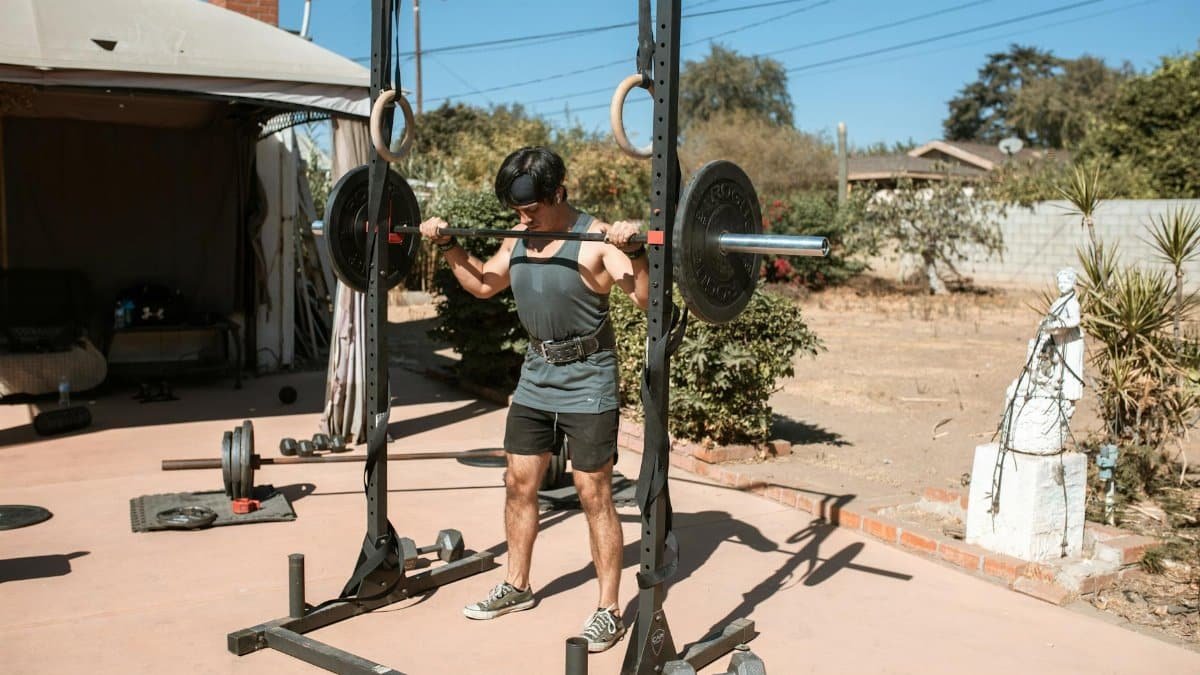
Is ice baths hypertrophy the ultimate recovery hack athletes swear by, or a sneaky muscle killer? New research reveals cold plunges right after weight training could slash your gains by blunting key growth signals. Trainers push ice baths for reduced soreness, but scientists warn they interfere with hypertrophy—the muscle-building process. This trend, exploding in gyms and biohacking circles, faces a cold reality check.
The Rise of Ice Baths in Fitness
Ice baths surged in popularity after stars like LeBron James and Wim Hof touted them. Gym-goers plunge into 50-degree water post-workout, chasing faster recovery. Social media fuels the fire with clips of shivering influencers claiming epic results. But for hypertrophy-focused lifters, timing matters. Dipping immediately after heavy lifts might do more harm than good.
Hypertrophy 101: How Muscles Actually Grow

Hypertrophy happens when resistance training tears muscle fibers. Your body repairs them bigger via protein synthesis, driven by mTOR pathways. Inflammation and satellite cell activation play key roles. Disrupt this window—roughly 24-48 hours post-workout—and gains stall. Heat, nutrition, and rest amplify it. Cold? Not so much.
The Recovery Promise That Doesn’t Deliver
Proponents say ice baths cut delayed onset muscle soreness (DOMS) by 20-30%. They constrict blood vessels, flush waste, and numb pain. A 2018 review in Frontiers in Physiology backs short-term soreness relief. Elite athletes use them for high-volume seasons. Yet for pure size gains, the cons outweigh pros.
Science Blasts Post-Workout Cold Exposure
A pivotal 2015 study shook the fitness world. Researchers had trained men do leg workouts followed by either ice baths or passive recovery. The cold group showed blunted mTOR signaling and smaller strength gains over 12 weeks. Full details in the Journal of Physiology. Muscle biopsies confirmed: cold immersion hampers anabolic responses.
More Studies Confirm the Damage

Follow-ups piled on. A 2019 paper in the Journal of Strength and Conditioning Research tested cyclists and found cold water immersion reduced training adaptations. Another 2021 trial on resistance-trained men echoed it: ice baths post-hypertrophy sessions led to 10-15% less fiber growth. Mechanisms? Cold suppresses inflammatory signals needed for repair. Not all cold is bad—pre-workout chills might boost performance—but after? Risky.
Athletes Split on the Trend

Powerlifters and bodybuilders increasingly ditch ice baths hypertrophy routines. Chris Bumstead, classic physique champ, skips them during bulks. Meanwhile, CrossFitters and endurance pros stick with it for inflammation control. Dr. Andy Galpin, exercise physiologist, advises: “Use cold therapy away from hypertrophy windows.” Timing shifted the game.
Smarter Alternatives for Gains
Skip the tub. Active recovery like light cardio or yoga promotes blood flow without chilling pathways. Contrast therapy—hot then cold—shows promise without full immersion downsides. NSAIDs like ibuprofen pose similar risks, per studies. Prioritize sleep, 1.6-2.2g protein per kg bodyweight, and progressive overload. Creatine and beta-alanine stack better for hypertrophy.
When Ice Baths Still Make Sense

Not all doom. Ice baths shine for acute injuries or overreaching phases. Marathoners and NFL teams use them between sessions, not immediately post-strength. A 2022 meta-analysis in Sports Medicine found benefits for repeated sprint performance. Context rules: hypertrophy off-season? Avoid. Competition prep? Strategic dips okay.
The Bottom Line for Lifters

Ice baths hypertrophy looks cool and feels brutal, but science screams caution after heavy lifts. They might kill your gains by muting repair signals. Stick to evidence: recover smart, not frozen. Next time your trainer suggests a plunge, cite the studies. Build bigger without the chill.

As an education professional with a background in Biology and Physics, Dr. Christoph Weber is the analytical heart of Fulfilled Humans. He ensures every piece of content is insightful and grounded in credible knowledge.
Disclaimer
The content on this post is for informational purposes only. It is not intended as a substitute for professional health or financial advice. Always seek the guidance of a qualified professional with any questions you may have regarding your health or finances. All information is provided by FulfilledHumans.com (a brand of EgoEase LLC) and is not guaranteed to be complete, accurate, or reliable.