
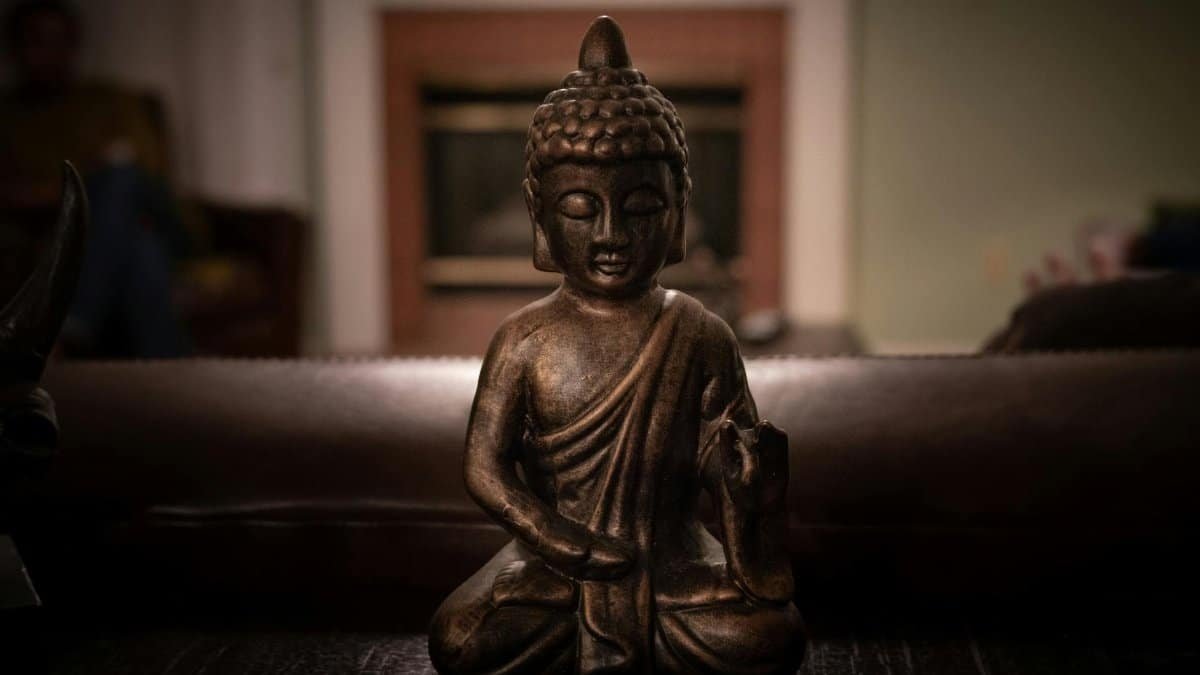
Busy professionals across America are ditching church pews for home corners dedicated to calm. A 2023 survey by wellness app Calm revealed 35% of users now maintain a secular mindfulness altar at home, up from 12% in 2020. This simple setup promises focus without faith, drawing millions into daily meditation rituals amid rising burnout rates.
The Surge in God-Free Sanctuaries

America’s mental health crisis fuels the boom. With anxiety disorders affecting 19% of adults, per CDC data, secular mindfulness altars offer a quick fix. No incense or idols needed. Just a quiet nook for breathing exercises. Experts credit apps and podcasts for mainstreaming the trend. Cities like New York and San Francisco lead, where apartment dwellers cram altars into closets.
Why Secular Over Spiritual?

Tradition ties altars to religion. Secular versions strip that away. Think science-backed mindfulness, not mysticism. Dr. Jon Kabat-Zinn, pioneer of Mindfulness-Based Stress Reduction, popularized this shift decades ago. His programs reach hospitals worldwide. Users report sharper focus and less rage traffic. No prayers required. Pure practicality for skeptics and believers alike.
Scout the Ideal Spot

Location matters. Pick a low-traffic area, like a bedroom corner or underused shelf. Aim for natural light. Avoid bedrooms if partners snore. Measure 3×3 feet minimum. Face away from doors to block distractions. Test it: Sit for five minutes. Clutter-free wins every time.
Core Items: Keep It Minimal

Stock smart. A cushioned meditation stool or zabuton pad anchors the space. Add a timer app on your phone. Fresh plants like succulents boost oxygen. A journal for thoughts. Optional: Smooth stones or a scented diffuser with eucalyptus oil. Skip crosses or statues. Total cost: Under $100 at big-box stores.
Step-by-Step Build Guide
Clear the area first. Wipe surfaces. Lay down a neutral cloth, beige or gray. Center the cushion. Flank with plants. Place journal front and center. Add a small bell for starting sessions. Light a plain candle if fire-safe. Step back. Adjust for symmetry. Done in 30 minutes.
Infuse Sensory Calm
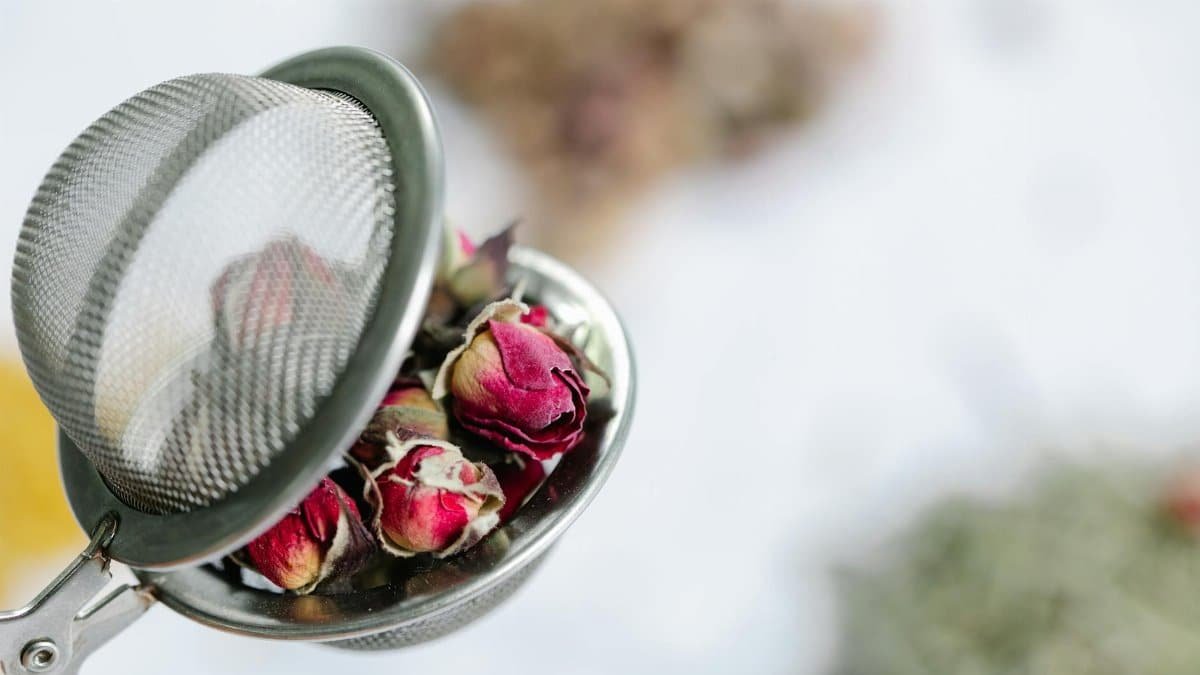
Sight, sound, touch drive results. Green plants soothe eyes. Soft fabrics invite lingering. Play white noise or binaural beats via Bluetooth speaker. Scent with essential oils, no sage smudging. These cues signal brain: Time to unwind. Rotate items monthly to stay fresh.
Your Daily Ritual Routine

Commit 10 minutes morning and night. Sit tall. Breathe deep: In for four, hold four, out for four. Scan body for tension. Jot one gratitude note. End with bell ring. Consistency trumps perfection. Track streaks in your journal. Watch stress melt over weeks.
Science Proves It Works

Hard data backs the practice. A landmark review of 47 trials found mindfulness meditation cuts anxiety by 20%. Check the JAMA Internal Medicine meta-analysis. Harvard echoes this: Regular sessions rewire brains for resilience.Harvard Health details how it rivals therapy for mild cases. Secular altars make it stick.
Pitfalls Newbies Face

Overcrowding kills vibe. Ditch excess gadgets. Dust buildup? Weekly wipe-downs prevent that. Forgetting use turns it into junk shelf. Set phone reminders. Pets knocking items? Elevate on a low table. Perfectionism sabotages: Messy beats absent.
Voices From the Converted

Marketing VP Tara L. in Chicago says her secular mindfulness altar slashed panic attacks. “It’s my no-BS zone,” she notes. Techie Raj P. in Seattle credits his for landing a promotion. “Clarity hit different.” Forums buzz with similar wins. Trendsetters share Instagram pics, minus filters.
Building a secular mindfulness altar levels the self-care field. Accessible. Effective. No conversion needed. As burnout bites harder, expect more homes to claim these corners. Start small. Breathe easy. Your mind thanks you.

A certified hypnotherapist, Reiki practitioner, sound healer, and MBCT trainer, Christopher guides our journey into the spiritual dimension, helping you tap into a deeper sense of peace and awareness.
Disclaimer
The content on this post is for informational purposes only. It is not intended as a substitute for professional health or financial advice. Always seek the guidance of a qualified professional with any questions you may have regarding your health or finances. All information is provided by FulfilledHumans.com (a brand of EgoEase LLC) and is not guaranteed to be complete, accurate, or reliable.