

Nearly 15 million American adults grapple with social anxiety disorder each year, according to the National Institute of Mental Health. Yet simple NIMH data. Enter social anxiety reframes: quick cognitive shifts that experts say can dial down fear fast, turning networking nightmares into wins. Therapists push these tools amid a mental health boom, with studies showing cognitive behavioral techniques cut symptoms by up to 50 percent in weeks. No pills needed—just mindset tweaks.
What Fuels Social Anxiety?

Social anxiety hits hard in a hyper-connected world. Crowded parties, job interviews, even casual chats trigger racing hearts and sweaty palms. Rooted in fear of judgment, it disrupts lives. The Anxiety and Depression Association of America notes it often starts in teens and lingers without intervention. Bad news: Untreated, it spikes isolation and depression risks.
Core Power of Reframes

Cognitive reframes flip distorted thoughts. Borrowed from CBT, they challenge “catastrophizing” like “Everyone sees me fail.” Replace it with evidence-based views. A landmark study in the Journal of Anxiety Disorders backs this: Patients using reframes saw sharper drops in avoidance behaviors than talk therapy alone.
Reframe 1: It’s Normal, Not Weakness

Ditch “I’m the only freak sweating this.” Truth: Most people feel butterflies in spotlight moments. Reframe to: “Nerves signal I care—top performers get them too.” Jitters kept our ancestors alert; now they prep you to shine. Practice by listing three times anxiety helped you focus.
Reframe 2: Focus Isn’t on Your Flaws

Spotlight effect tricks us—we think flaws scream loud. Reality: Others fixate on their own insecurities. Reframe: “They’re too wrapped up in themselves to critique me.” Studies confirm this bias shrinks with exposure. Next mingle? Assume the crowd obsesses over their tie or hair, not you.
Reframe 3: Mistakes Build Connection
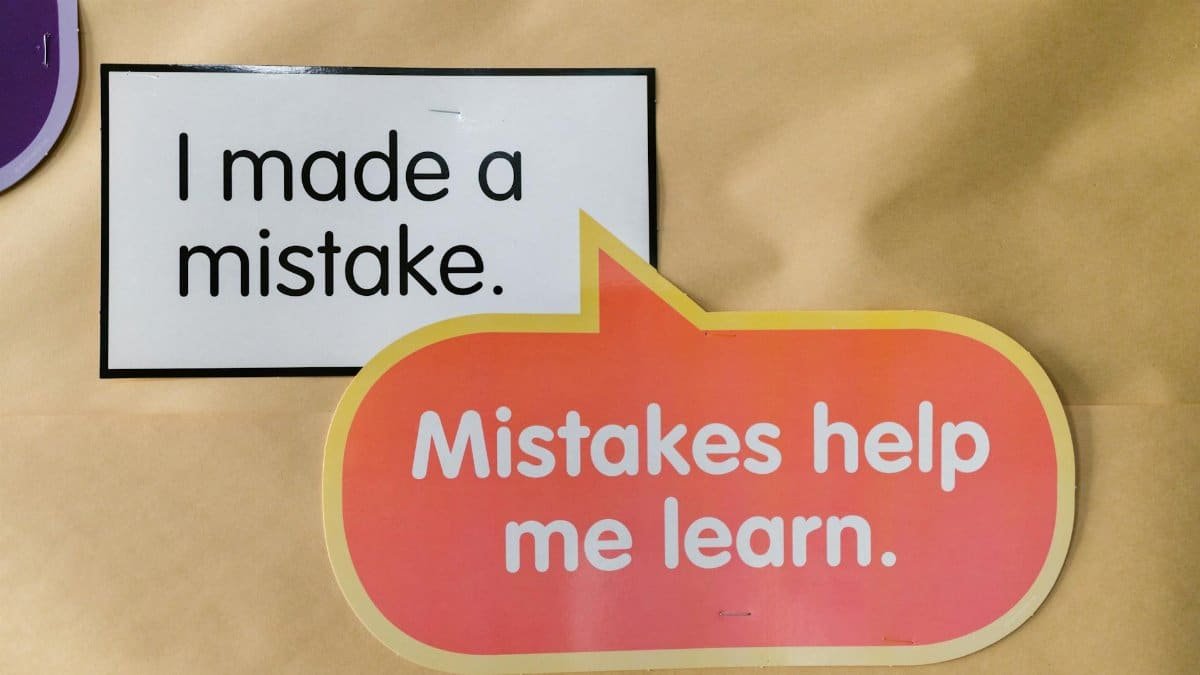
Fear spilling words? Reframe “One slip ruins everything” to “Blunders make me relatable.” Vulnerability bonds people. Think viral TED talks—speakers own gaffes, audiences cheer. Track small social wins post-fumble; data shows resilience grows fast.
Reframe 4: Small Talk Sparks Big Wins

View chit-chat as torture? Flip to: “Questions unlock doors to real talk.” Asking “What’s new?” shifts energy outward. Sales pros and CEOs swear by it. Harvard Business Review reports curious listeners network 40 percent better. Prep three openers; watch walls crumble.
Reframe 5: Body Signals Matter Less Than You Think

Red face or shaky voice mortifies? Reframe: “They notice zero—or think it cute.” Research from psychologists like Ethan Kross shows we overestimate detection. Focus breaths instead. Inhale four counts, exhale six; anxiety plummets without audience awareness.
Reframe 6: Progress Trumps Perfection

“Fail once, quit forever”? No. Reframe: “Each try stacks skills.” Track exposure like reps in gym. Apps like Dare or MoodKit log this. Users report 30 percent confidence jumps in a month. Consistency turns dread into habit.
How Therapists Roll These Out

Clinicians start with journaling: Spot trigger thoughts, rate belief 1-10, craft reframe, rerate. Sessions blend role-play. Virtual reality apps simulate scenes now, accelerating gains. Cost? Free self-help beats $150 hourly therapy for many.
Real-World Wins Pile Up

Take Alex R., 28, ex-shutterbug at bars. Post-reframes, he launched a podcast. “Reframing ‘They hate me’ to ‘They’re curious’ changed everything,” he says. Forums buzz with similar tales. Amid post-pandemic socializing surge, demand for these tools explodes.
Start Today, Own Tomorrow

Social anxiety reframes demand practice, not magic. Pair with mindfulness for turbo results. Experts warn: Persistent cases need pros. But for everyday jitters, these six pack punch. Next event? Pick one reframe. Confidence follows.

A certified hypnotherapist, Reiki practitioner, sound healer, and MBCT trainer, Christopher guides our journey into the spiritual dimension, helping you tap into a deeper sense of peace and awareness.
Disclaimer
The content on this post is for informational purposes only. It is not intended as a substitute for professional health or financial advice. Always seek the guidance of a qualified professional with any questions you may have regarding your health or finances. All information is provided by FulfilledHumans.com (a brand of EgoEase LLC) and is not guaranteed to be complete, accurate, or reliable.