

When busy dad Mike Reynolds skipped his morning run once, he dreaded the slump. But applying two day rule habits changed everything: one off day max, never two. Within months, he’d logged 200 consistent workouts. His turnaround echoes a surge in this simple strategy sweeping self-improvers nationwide.
What Exactly Is the Two-Day Rule?

The two-day rule boils down to one promise: never miss your habit twice in a row. Miss once? Fine, life happens. But day two demands action. This guardrail keeps momentum alive without perfection pressure. Productivity gurus tout it as a low-bar entry to lasting change. No rigid streaks required—just smart recovery.
Roots in Atomic Habits
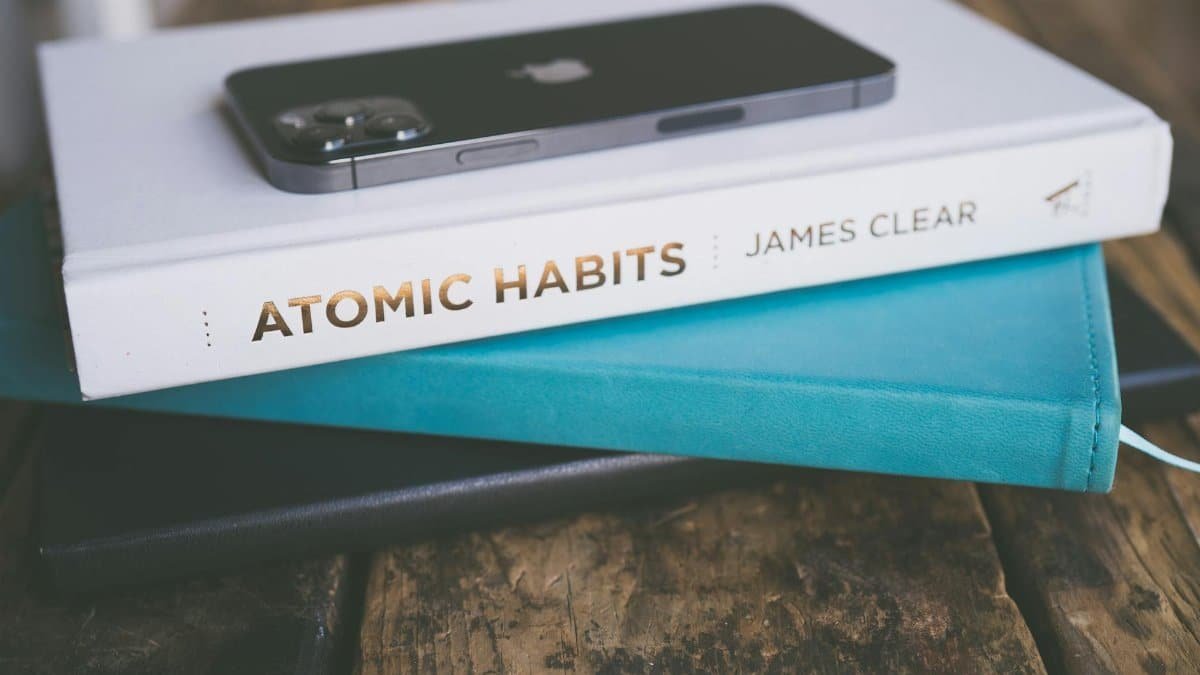
James Clear popularized the tactic in his bestseller Atomic Habits. He calls it “never miss twice,” a nod to pros like authors and athletes who build empires on consistency. Clear’s site details how it fits habit loops: cue, craving, response, reward.James Clear’s Never Miss Twice breaks it down with real examples, from Jerry Seinfeld’s writing chain to gym rats dodging burnout.
The Science of Habit Momentum

Research backs the logic. A University College London study found habits form over 66 days on average, but lapses kill them fast. The two-day rule exploits “momentum bias”—brains favor continuing patterns. Miss twice, and neural pathways weaken. One study in European Journal of Social Psychology tracked 96 participants: automaticity surged with minimal skips.James Clear on the 66-Day Habit Timeline cites this UCL data, showing why single misses rarely derail pros.
Why It Beats All-or-Nothing Diets

Strict regimens flop 80% of the time, per habit experts. The two-day rule flips that by baking in grace. Weight Watchers trials echo it: flexible plans yield 2x adherence. No guilt spirals. Users report ditching yo-yo cycles for steady wins, like swapping junk food binges for daily veggie hits.
Real People, Real Wins

Tech worker Lisa Chen used it for meditation. “One bad day? I jumped back. Now it’s non-negotiable,” she says. A Reddit thread with 5,000 upvotes shares similar tales: coders debugging daily, parents reading to kids without fail. Even celebs nod along—Ryan Reynolds credits habit hacks for his fitness empire.
Implementing It Step by Step

Pick one habit. Track skips on your phone. Day one miss? Schedule tomorrow’s slot now. Pair with cues: gym bag by the door. Scale up: start with two-minute versions, like two pushups. Apps like Habitica gamify it, but paper works fine. Commit publicly—tell a friend—for accountability kicks.
Pitfalls to Dodge

Biggest trap: vague habits. “Exercise more” invites endless skips. Nail specifics: “20-minute walk post-coffee.” Don’t stack too many at launch—master one first. And forgive the first miss fast; rumination kills drive. Trackers help spot patterns before two-day streaks form.
Two-Day Rule vs. Streaks and 21-Day Myths

Jerry Seinfeld’s “don’t break the chain” demands perfection. Great for obsessives, brutal for mortals. The 21-day myth? Busted—real formation averages 66 days. Two-day rule wins for sustainability, letting life intrude without collapse. Data from habit apps like Streaks shows 40% higher retention.
Long-Term Payoffs

Users hit compound gains. Gym fidelity drops body fat 15% faster. Reading daily? Yearly book tally doubles. Career types land promotions via skill compounding. A year in, two day rule habits forge identity: “I’m the runner,” not “I try.” Momentum snowballs into mastery.
Expert Takes

B.J. Fogg, Stanford habit guru, praises flexibility: “Systems over willpower.” Clear adds: “You do not rise to your goals; you fall to your systems.” Therapists use it for mental health—daily journaling curbs anxiety without overwhelm. It’s versatile: fitness, finance, learning languages.
Start Today

No gear needed. Choose your battle: flossing, water intake, cold showers. Log it. Miss once? Reset. Watch chains form. In a world of distractions, two day rule habits deliver unbreakable routines. Millions swear by it—your turn to join the momentum club.

Natasha is the heart of our exploration into conscious connection. Applying principles from multiple counseling courses in her own life, she guides you to cultivate stronger, more joyful bonds.
Disclaimer
The content on this post is for informational purposes only. It is not intended as a substitute for professional health or financial advice. Always seek the guidance of a qualified professional with any questions you may have regarding your health or finances. All information is provided by FulfilledHumans.com (a brand of EgoEase LLC) and is not guaranteed to be complete, accurate, or reliable.