

When John Ramirez dialed his electric company last month, he negotiated utility bills down by 18%—saving $240 a year without switching providers. His story echoes a growing trend: Americans fed up with soaring energy costs are picking up the phone and winning concessions. Utility giants like PG&E and Duke Energy often grant discounts to keep customers, especially amid inflation. Here’s how everyday folks pull it off, step by step.
Know Your Bill Inside Out

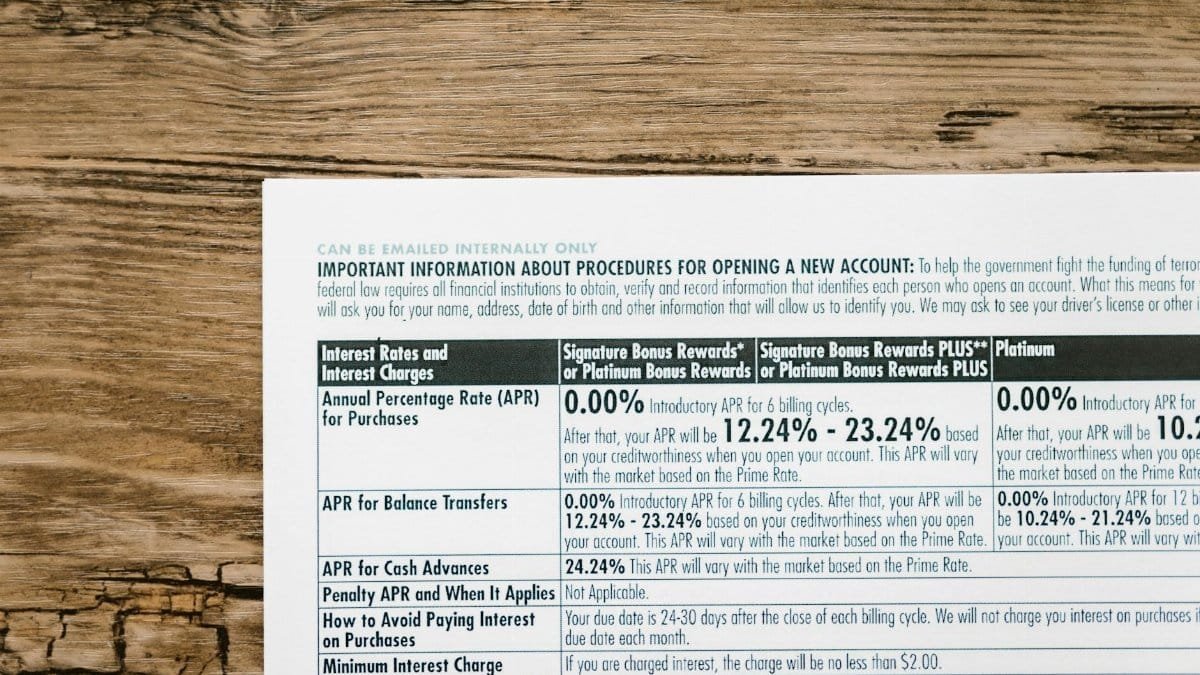
Start by dissecting your latest statement. Spot fixed charges, variable usage rates and hidden fees like demand charges. High-usage months give leverage—highlight spikes from heat waves or new appliances. Print two years of bills for reference. This prep shows reps you’re serious, not shopping blindly.
Research Local Rates and Competitors
Deregulated markets in 16 states let you compare providers easily. Use sites like PowerToChoose.org in Texas or your state’s public utility commission portal. Note cheaper rivals’ rates. Even in regulated areas, armed with data, you pressure incumbents. A NerdWallet analysis shows prepared callers snag discounts 70% of the time.
Pick the Perfect Call Time

Dial midweek, Tuesday through Thursday, between 9 a.m. and noon. Avoid Mondays and Fridays when reps are swamped. February through April works best—companies hustle before summer peaks. Persistence pays: if transferred, ask for retention specialists, who hold real authority.
Adopt the Right Mindset

Stay calm, polite and confident. Reps field hundreds of calls; rudeness kills deals. Frame it as mutual benefit: “I’ve been loyal for years, but these rates push me away.” Mention life changes like job loss or fixed income for sympathy without begging.
Master These Proven Scripts

Lead strong: “Hi, I’m calling to discuss lowering my bill. I’ve shopped around and found better rates elsewhere.” Pause for response. Follow with: “Can you match this 12 cents per kWh from Competitor X?” If they balk, say: “What one-time credit or loyalty discount qualify?” Practice aloud—reps detect hesitation.
Counter Common Objections

“Rates are fixed”: Counter with, “I understand, but competitors offer less—what can you do for me?” “No promotions”: Ask, “Who handles retention offers?” Budget limits? Push: “Apply a six-month discount to test loyalty.” Escalate politely to supervisors. Most fold after two rounds.
Target Specific Wins

Aim beyond rate cuts. Request waived fees, budget billing, free energy audits or smart thermostat rebates. Winter moratoriums pause shutoffs—leverage them. In California,Consumer Reports details how negotiators score $50-200 annual credits. Bundle internet/phone for combo deals.
Document Everything in Writing

Secure email confirmation of agreements, including effective dates and amounts. Note rep names, IDs and times. Review next bill—if off, call back armed. Apps like Billshark outsource this for a cut of savings, but DIY works fine.
Real Wins from Across the Country

In Florida, retiree Lisa Torres shaved $35 monthly off Duke Energy by citing a neighbor’s rate. Texas dad Raj Patel got a $120 credit from Oncor after quoting market data. Nationally, savers average $185 yearly, per industry trackers. Not every call succeeds, but 60% do with prep.
Know When to Walk—or Switch

If stonewalled, threaten churn: “I’ll switch tomorrow unless you match.” Follow through if needed—porting takes days. Annual reviews keep rates low. With utilities posting 8-12% hikes lately, negotiate utility bills yearly. Track via spreadsheets for patterns. Millions reclaim control this way, padding budgets amid economic squeeze.

With a career spanning investment banking to private equity, Dominik brings a rare perspective on wealth. He explores how money can be a tool for personal freedom and positive impact, offering strategies for abundance that align with your values.
Disclaimer
The content on this post is for informational purposes only. It is not intended as a substitute for professional health or financial advice. Always seek the guidance of a qualified professional with any questions you may have regarding your health or finances. All information is provided by FulfilledHumans.com (a brand of EgoEase LLC) and is not guaranteed to be complete, accurate, or reliable.