
A recent study from University College London tracked 96 participants over months and found it takes an average of 66 days to form a new habit, shattering the old 21-day myth. Some habits stuck in just 18 days; others dragged on for half a year. This revelation sits at the heart of habit formation neuroscience. In a nation hooked on quick fixes, from fitness apps to productivity hacks, grasping how the brain builds these automatic behaviors could transform daily life. Millions chase better routines each January, only to falter. Yet science points to precise neural mechanisms, not sheer grit, as the key.
The Brain’s Habit Machinery
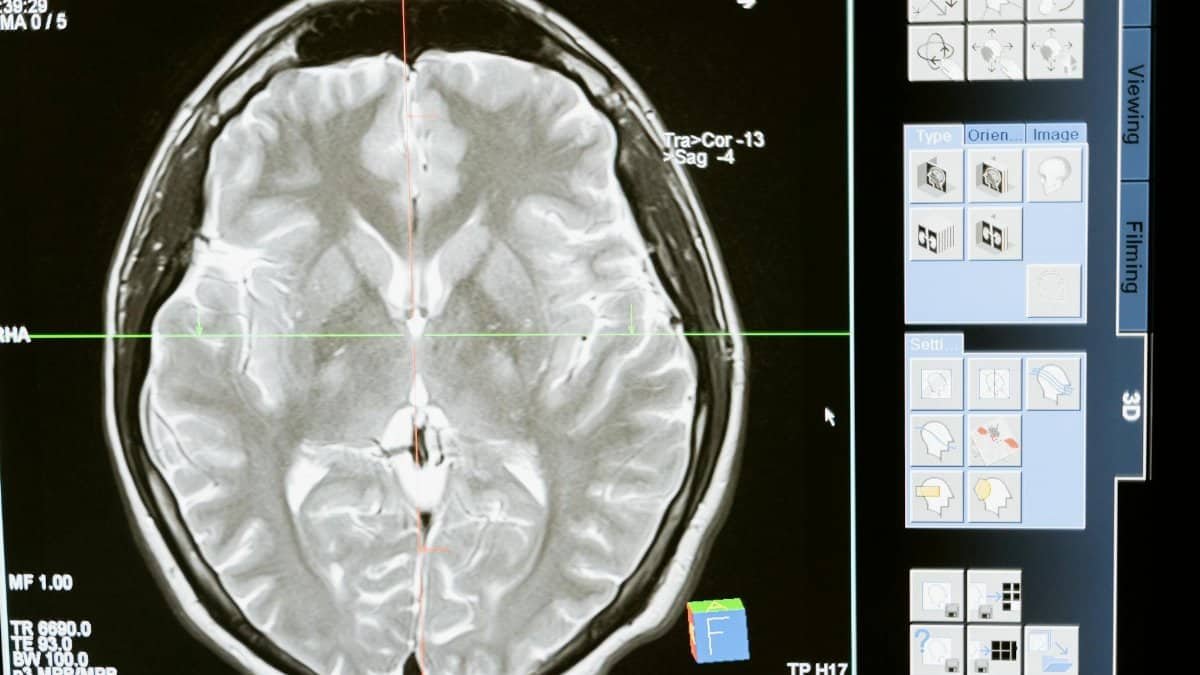
Deep in the brain lies the basal ganglia, a cluster of structures acting as the autopilot for habits. Researchers have long observed how it takes over repetitive actions, freeing the prefrontal cortex for higher thinking. Consider a smoker reaching for a cigarette without conscious thought. The NINDS explains this shift clearly in its overview of brain functions: habits form when neural circuits strengthen through repetition, turning effort into instinct.NINDS Brain Basics.
That smoker might describe it simply during a quit attempt. “One day, the pack just appeared in my hand,” he said in a casual interview snippet. No decision involved. This handover happens gradually. Early on, deliberate focus dominates. Later, cues trigger seamless execution. Experiments with rats navigating mazes confirm it: once the path becomes habitual, brain scans show basal ganglia lighting up, not the planning regions.
Dopamine’s Sticky Pull
Dopamine surges fuel the cycle. This neurotransmitter doesn’t just reward; it tags experiences as worth repeating. A PNAS study mapped how dopamine neurons fire during habit loops, cementing behaviors through prediction errors. When a reward arrives as expected, the brain reinforces the link.PNAS on Habit Formation.
Picture a runner lacing up shoes at dawn. The post-run endorphin hit floods the system. Next time, anticipation alone sparks dopamine. Over weeks, the run happens almost involuntarily. Online forums echo this lately. One anonymous post captured the thrill: “That first coffee sip now hits different—my brain craves the whole morning ritual before I even wake up.” Such accounts highlight dopamine’s role in stacking small wins.
Variations emerge, though. Caffeine addicts face diminishing returns as tolerance builds. The brain adapts, demanding more for the same spark. Balance matters. Neuroscientists stress moderation to sustain the chemical hook without burnout.
Cue-Routine-Reward: The Core Loop

Charles Duhigg popularized the loop, but neuroscience backs it solidly. Cues spark the routine; rewards seal it. Functional MRI scans reveal the striatum activating in sequence. A cue—like a phone notification—prompts checking social media. The dopamine from likes rewards it.
Disrupt one element, and the habit weakens. In labs, altering maze rewards derails rodent paths. Humans mirror this. A woman building a reading habit paired evening tea (cue) with 20 pages (routine) and a cozy blanket (reward). Months later, she reads effortlessly. “Tea time means book time now,” she noted. Simplicity powers persistence.
Not all loops serve us. Late-night scrolling hijacks the system. Awareness of the mechanism offers leverage. Track cues. Adjust rewards. The brain responds predictably.
Why Willpower Fails the Test
Grit sounds noble, but habit formation neuroscience exposes its limits. The prefrontal cortex fatigues after decisions, dubbed ego depletion. Studies show glucose dips impair self-control. Relying on willpower invites collapse.
Instead, design environments for success. Place fruit front and center over chips. Pre-commit to gym clothes laid out. A UCL analysis of habit timelines reinforces this: automaticity builds slowest for abstract goals like “be healthier,” fastest for concrete ones like “walk 10 minutes post-dinner.” European Journal of Social Psychology.
Tensions arise. Busy parents juggle cues amid chaos. One father shared his tweak: alarms for bedtime stories amid kid demands. Incremental shifts compound.
Neuroplasticity Unlocks Change
The brain reshapes itself—neuroplasticity at work. Synapses strengthen with use, prune with neglect. Habit formation neuroscience thrives here. Meditation apps leverage it, thickening prefrontal areas over months.
A Vietnam vet rebuilt routines post-trauma. Daily journaling rewired stress responses. Scans before and after showed cortical growth. Though individual paths vary, consistency drives plasticity. Start small. A two-minute meditation snowballs.
Skeptics point to age limits. Yet research counters: plasticity persists lifelong, albeit slower. Midlife career shifters adopt habits like language learning, proving adaptability.
Sleep’s Hidden Role in Wiring

Nights consolidate what days build. During slow-wave sleep, the hippocampus replays habits, transferring them to the cortex for permanence. Disrupted sleep unravels progress. A study linked poor rest to failed diets—cravings spike, willpower dips.
Insomniacs experiment. One logged better habit adherence after seven hours nightly. “My morning run stuck only after fixing sleep,” he observed. Neuroscience ties it to replay mechanisms. Hippocampal sharp-wave ripples etch memories.
Practical steps follow. Wind down early. Dim lights cue melatonin. Quality rest amplifies every loop.
Tech Tools and Neural Pitfalls
Apps gamify habits, deploying notifications as cues, streaks as rewards. Duolingo streaks boast millions. Yet doom-scrolling forms counter-habits, fragmenting attention.
Habit formation neuroscience warns of overload. Multitasking thins prefrontal control. Balance tech with analog anchors. Paper journals resist digital distractions. A professional ditched phone alarms for analog clocks, reclaiming focus.
Future apps may personalize via AI, predicting optimal cues. Early trials show promise.
Overcoming Resistance Points
Plateaus hit around day 30. Dopamine wanes; boredom sets in. Push through with variation—swap run routes, tweak recipes. This reignites novelty.
Old habits fight back via entrenched circuits. Extinction requires cue avoidance. Cold turkey works for some, gradual for others. A drinker faded bar visits, filling evenings with hikes. Persistence varies by individual wiring.
Therapy aids. CBT rewires thought-habit links.
Lasting Habits for a Lifetime
Mastery demands identity shift. “I am a runner,” not “I run sometimes.” This prefrontal affirmation strengthens resolve. Communities amplify it—running clubs cue social rewards.
Longitudinal data tracks lifelong adherers. They stack habits: exercise begets better eating. Habit formation neuroscience promises compounding returns. In midlife, readers chase vitality. Understanding the brain equips them.
Challenges persist. Stress derails. Yet armed with cues, loops, and rest, resilience builds. The 66-day average? Just a benchmark. Personal timelines reveal the true art.
A certified hypnotherapist, Reiki practitioner, sound healer, and MBCT trainer, Christopher guides our journey into the spiritual dimension, helping you tap into a deeper sense of peace and awareness.
Disclaimer
The content on this post is for informational purposes only. It is not intended as a substitute for professional health or financial advice. Always seek the guidance of a qualified professional with any questions you may have regarding your health or finances. All information is provided by FulfilledHumans.com (a brand of EgoEase LLC) and is not guaranteed to be complete, accurate, or reliable.