
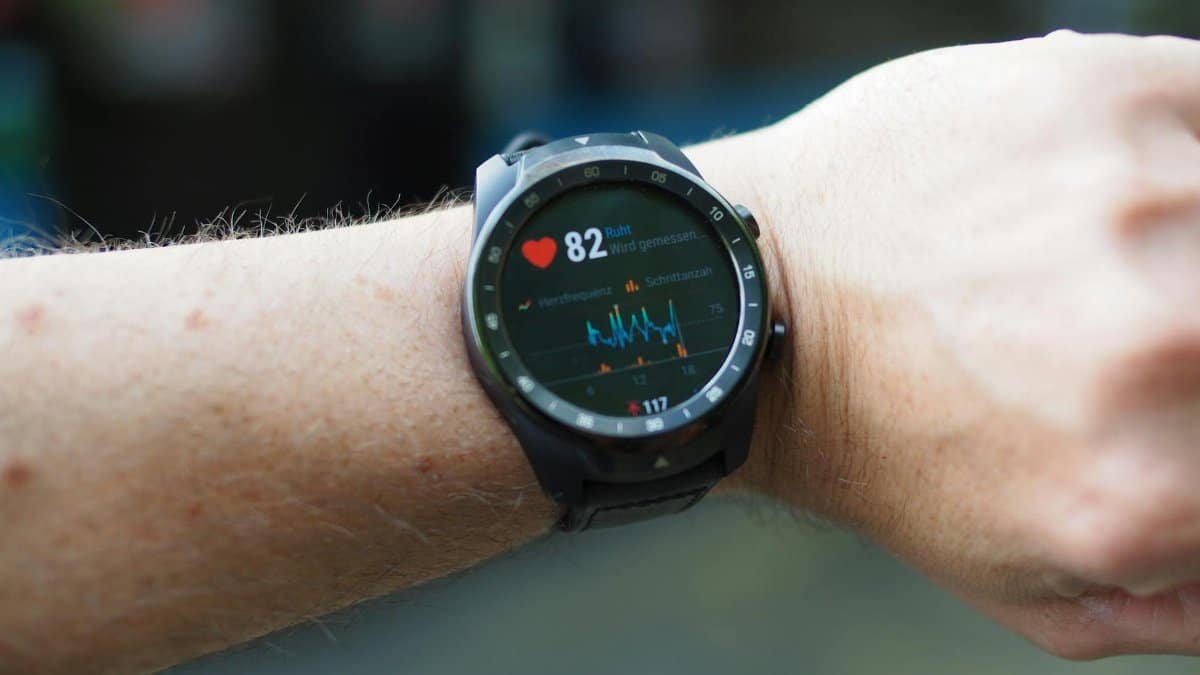
Heart rate tracking has exploded in popularity, with a staggering 70 million users worldwide tapping fitness apps for it last year alone, per Statista data. This simple metric reveals your body’s response to exercise, stress, and recovery—without needing high-end gadgets. From manual pulse checks to free phone cameras, anyone can start today. It’s transforming how everyday athletes gauge cardio endurance, spotting overtraining before it hits.
How Heart Rate Tracking Works
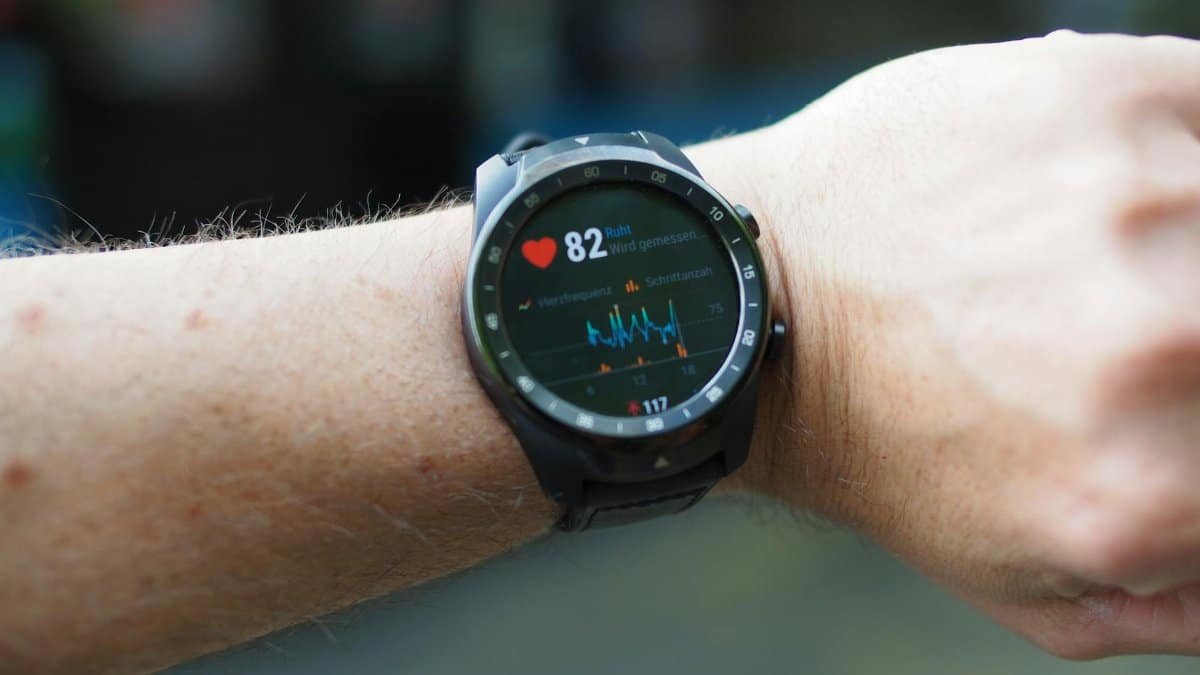
Your heart rate measures beats per minute, or BPM. It spikes during workouts and drops at rest. Sensors detect blood flow changes via light or electrical signals. Basic versions just count pulses by feel. Advanced ones pair with apps for real-time graphs. No PhD required: press fingers to your wrist or neck carotid artery for 15 seconds, multiply by four. Instant read.
Why Bother with Heart Rate Data?
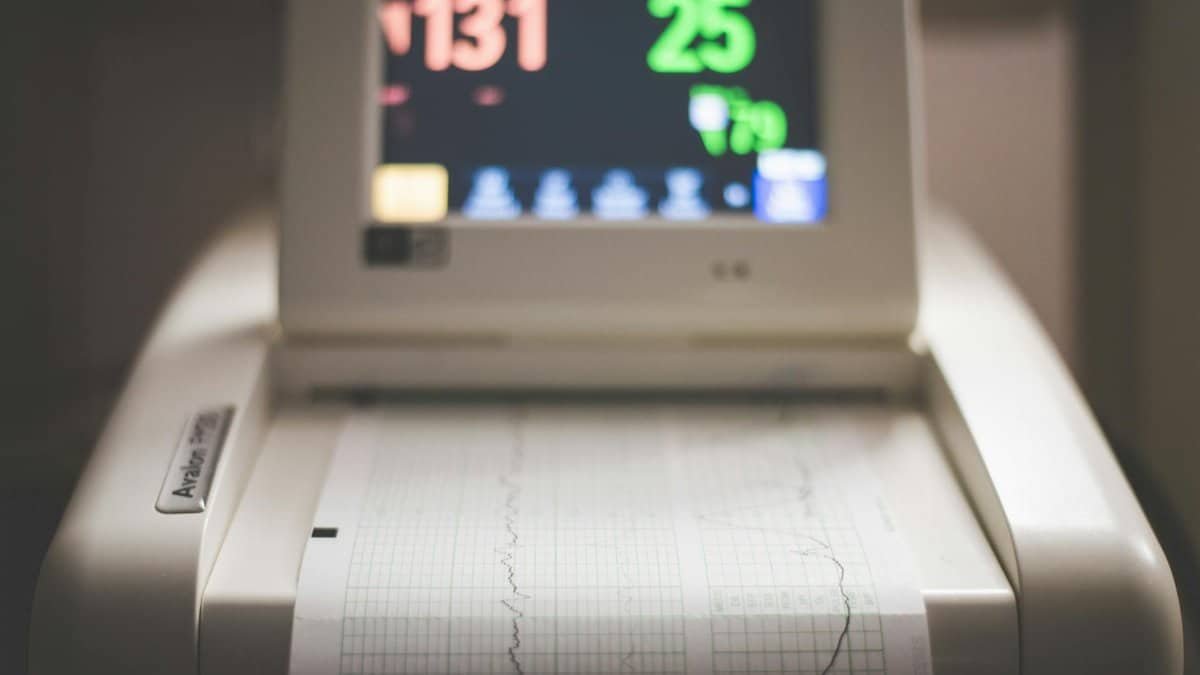
Tracking prevents burnout and boosts results. Runners shave minutes off times by staying in fat-burning zones. Gym-goers avoid heart strain. Studies link consistent monitoring to 20 percent better adherence to routines. It’s your dashboard for endurance. Ignore it, risk plateaus or injury.
Master the Manual Pulse Check
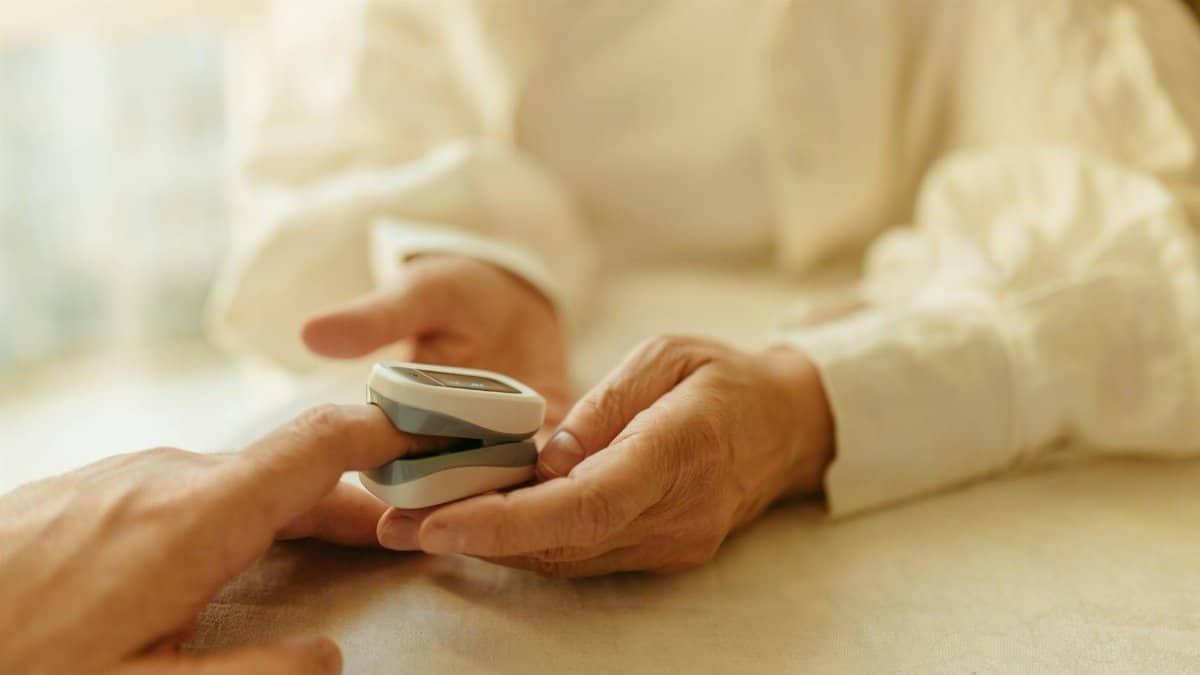
Zero cost, zero excuses. Sit quiet for five minutes. Find pulse below thumb on wrist. Count beats for 60 seconds—or 15, times four. Morning readings under 60 BPM signal strong fitness for adults. Athletes hit 40s. Repeat evening for stress clues. Pros swear by it pre-workout.
Smartphone Hacks for Instant Reads

Phones make heart rate tracking foolproof. Apps like Instant Heart Rate use your camera and flash. Place finger over lens; it scans blood volume shifts. Accuracy rivals chest straps within 5 BPM, per university tests. Free versions work fine. Pair with Google Fit for history logs. Daily users report sharper workout pacing.
Resting Heart Rate: Your Fitness Baseline
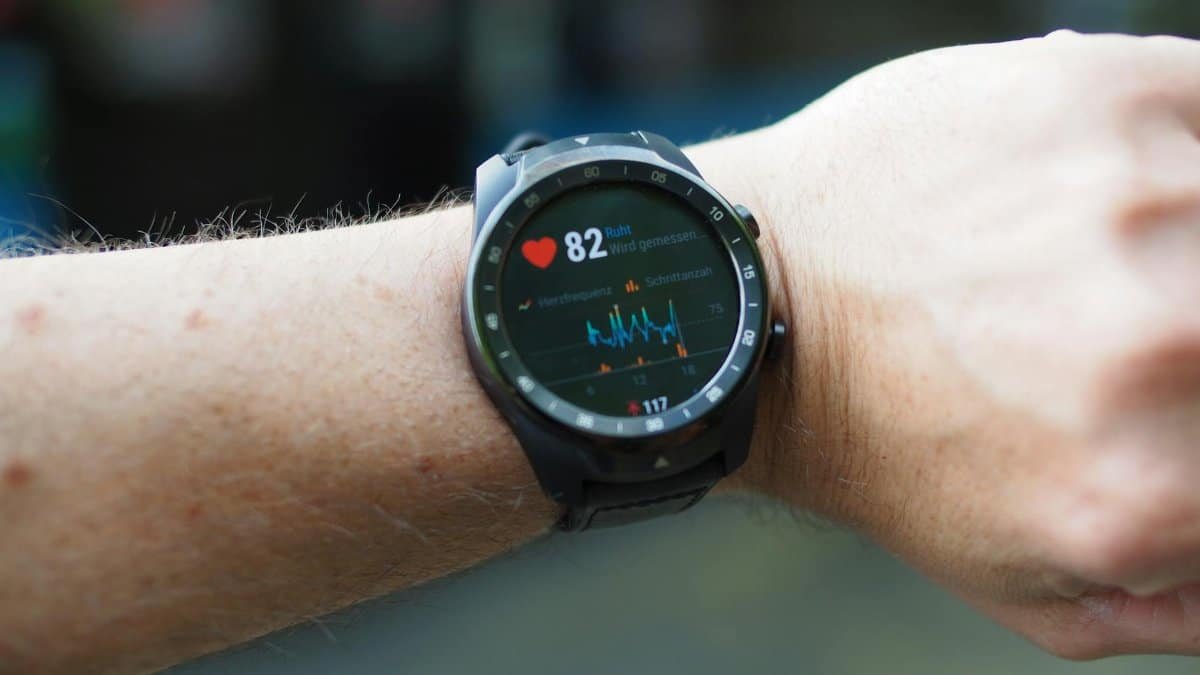
Awake, seated, no caffeine. Normal range: 60-100 BPM. Below 60? Elite conditioning. Track weekly trends. Drops mean gains; rises signal illness or overreach. Olympians monitor like hawks. Log it mornings for patterns.
For targets, check the American Heart Association’s guide. Solid benchmarks there.
Target Zones for Peak Cardio
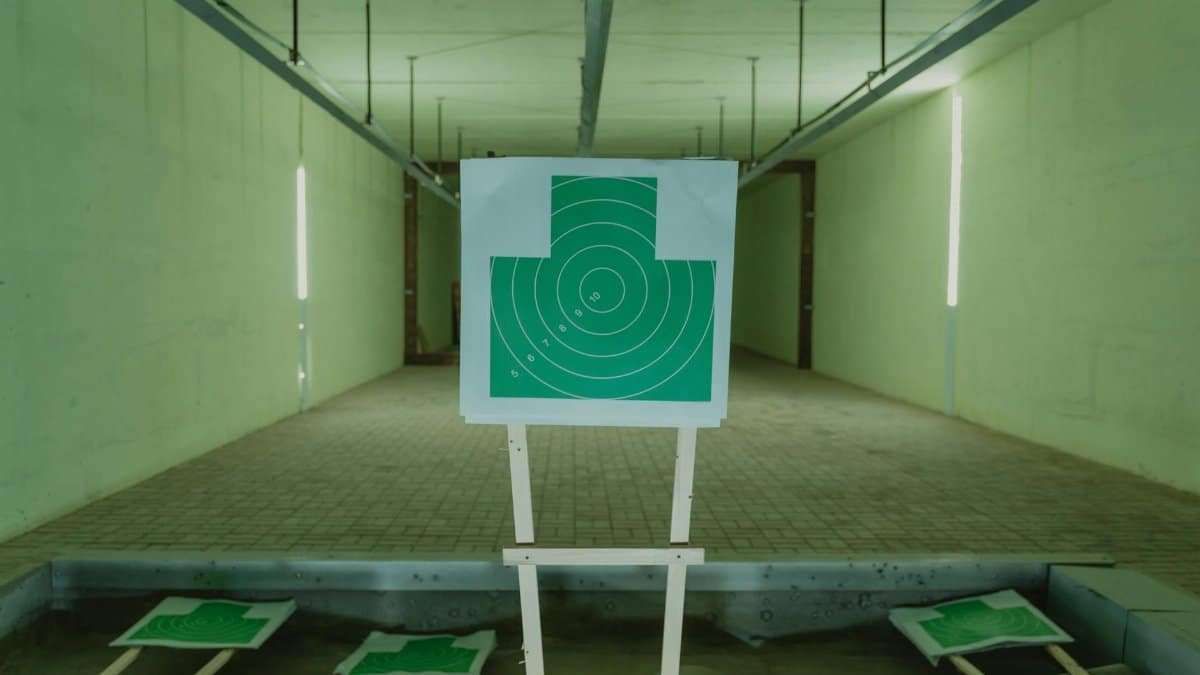
Max heart rate formula: 220 minus age. Zone 2 (60-70 percent) builds endurance. Zone 4 (80-90 percent) torches calories. Hit 70 percent jogging? You’re golden for fat loss. Apps calculate on fly. Stay here 30 minutes, transform stamina.
Budget Wearables That Deliver
Ditch $300 smartwatches. Xiaomi Mi Band at $40 nails basics. Continuous tracking, swim-proof, seven-day battery. Fitbit Inspire2 logs sleep ties to recovery. Users praise vibration alerts for zone nudges. No subscriptions needed.
Chest Straps vs. Wrist Bands
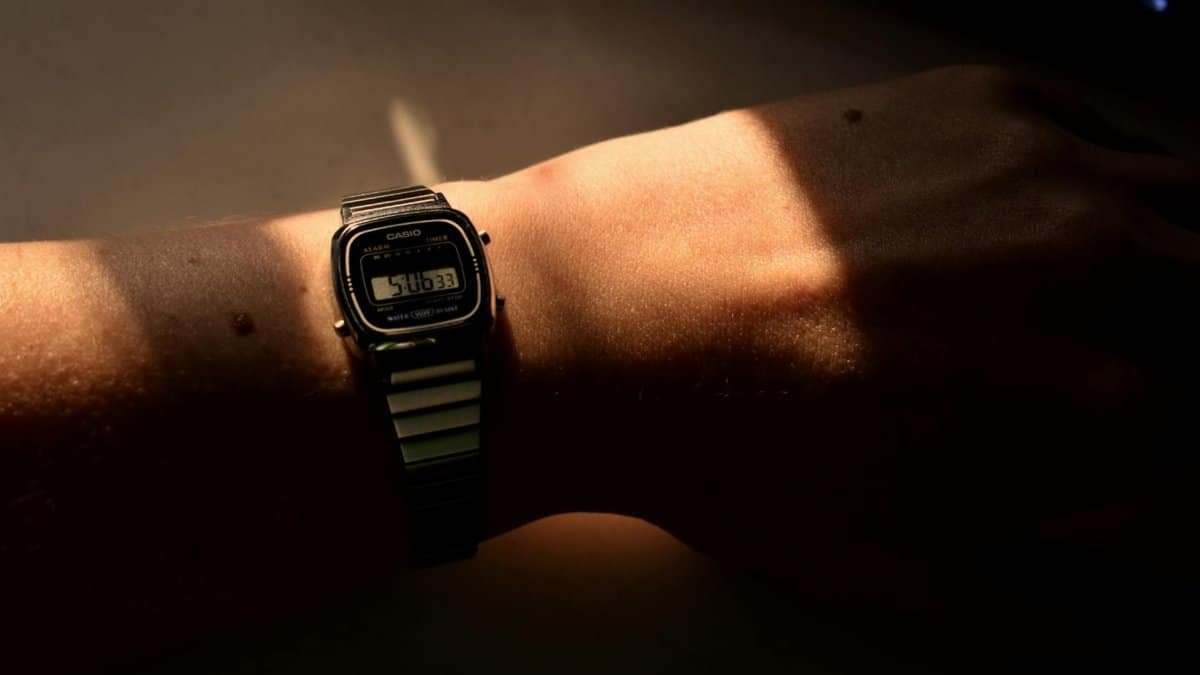
Straps win precision—ECG-level accuracy. Wrist opts optical, prone to sweat slips. Cyclists pick straps. Runners? Wrists suffice. Test both; data trumps hype.
Mayo Clinic details accuracy here.
Signs You’re Overdoing It

Heart rate lags recovery? Red flag. Normal drops 20-30 BPM post-exercise in a minute. Stuck high? Rest up. Women note menstrual cycle bumps—track accordingly. Veterans cut sessions 20 percent after spotting this.
Real Gains in Endurance
Six weeks tracking slashes 5K times, per fitness trials. Marathoners PR with zone discipline. Biohackers tweak VO2 max. It’s science: controlled stress yields adaptation. Couch-to-5K crowds credit it for sticking power.
Tips for Rock-Solid Accuracy

Warm hands cold days. Tighten bands snug, not strangling. Hydrate; dehydration skews 10 BPM. Cross-check methods weekly. Apps shine with calibration. Consistency beats perfection.
Heart rate tracking levels the field. Pros and novices alike thrive on it. Start manual, upgrade smart. Your endurance awaits.

As an education professional with a background in Biology and Physics, Dr. Christoph Weber is the analytical heart of Fulfilled Humans. He ensures every piece of content is insightful and grounded in credible knowledge.
Disclaimer
The content on this post is for informational purposes only. It is not intended as a substitute for professional health or financial advice. Always seek the guidance of a qualified professional with any questions you may have regarding your health or finances. All information is provided by FulfilledHumans.com (a brand of EgoEase LLC) and is not guaranteed to be complete, accurate, or reliable.