

A recent report from the National Renewable Energy Laboratory reveals that U.S. buildings devour 40 percent of the nation’s energy, with residential homes claiming a hefty slice. Enter net zero energy homes: structures that produce as much power as they use annually, often via solar panels and efficiency tweaks. Costs for solar have plummeted 89 percent since 2010, per the same lab. Still, only about 1 percent of new homes hit this mark. Builders face hurdles like upfront expenses and code gaps. Yet as climate pressures mount, designing these homes offers a blueprint for sustainable living. Architects now blend innovation with practicality to make zero-energy feats routine.
Grasping the Net Zero Core

Net zero energy homes balance energy outlays with on-site generation. They slash fossil fuel reliance through airtight designs, superior insulation and renewables. Think south-facing roofs crammed with photovoltaic arrays. Water heating shifts to heat pumps. The U.S. Department of Energy defines zero-energy ready homes as those prepped for this parity, a standard gaining traction nationwide ( DOE Zero Energy Ready Homes ).
Design starts with modeling software like EnergyPlus. Teams simulate annual performance. A home in Colorado, for instance, might offset winter heating with summer solar surpluses fed to the grid. Success hinges on location. Sunny Southwest spots shine; cloudy Pacific Northwest demands wind backups.
Site Selection: The Foundation of Feasibility
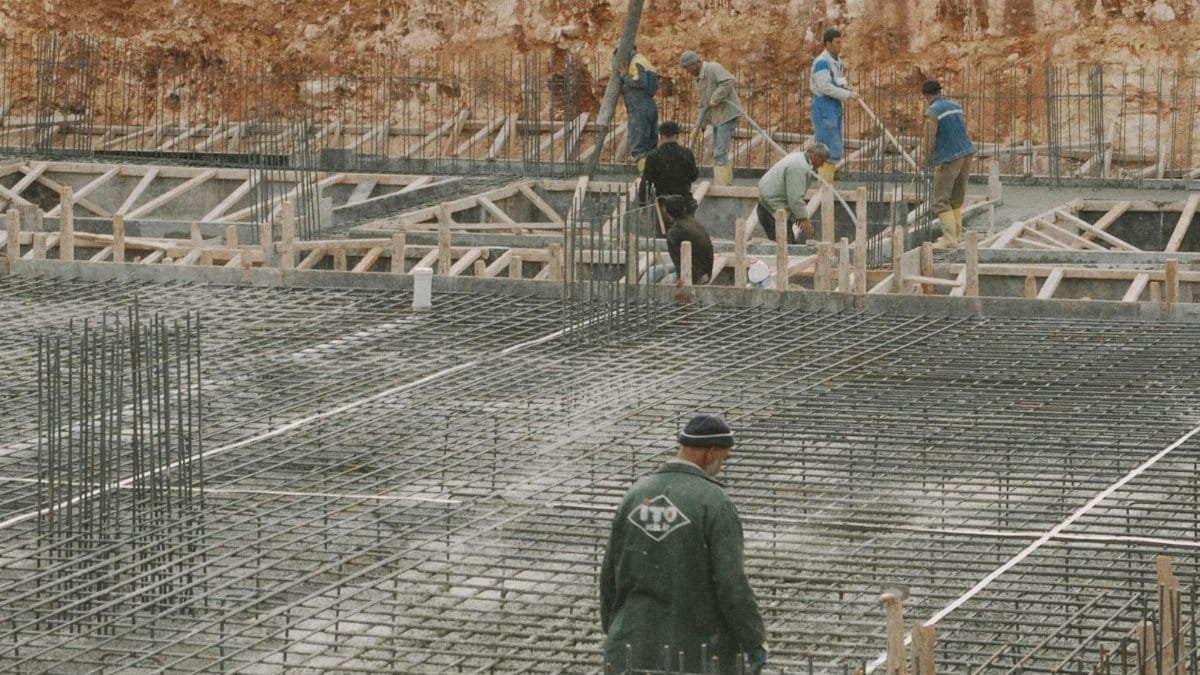
Location dictates viability. South-facing lots capture maximum sunlight. Avoid shaded valleys or dense tree canopies. Soil tests ensure stable foundations for ground-source heat pumps. Zoning matters too; some municipalities mandate solar access rights.
In California’s Bay Area, one architect scouted hillsides for unobstructed solar exposure. The result? A 2,500-square-foot home producing 120 percent of needs. Tools like Google Project Sunroof map solar potential by address. Proximity to grid tie-ins cuts transmission losses. Urban infill sites challenge designers, but microgrids emerge as solutions.
Sealing the Building Envelope

No leaks allowed. Super-insulated walls hit R-40 values, double code minimums. Triple-pane windows block drafts. Continuous air barriers wrap the structure. Blower-door tests verify tightness under 0.6 air changes per hour.
Builders layer rigid foam outside studs to dodge thermal bridging. Roofs get ventilated attics or unvented designs with spray foam. A Massachusetts project used phase-change materials in walls, storing daytime heat for nights. These envelopes cut heating loads by 70 percent, per lab studies.
Harnessing Renewables: Solar at the Helm
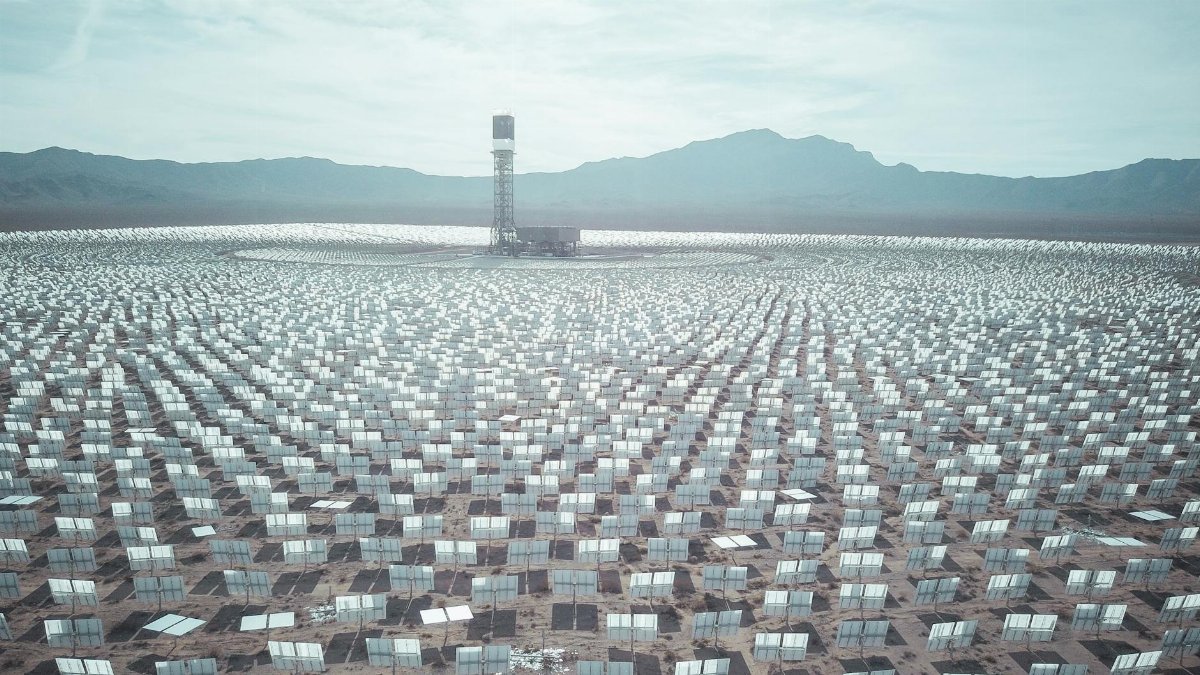
Solar photovoltaic systems anchor most designs. A typical 3,000-square-foot home needs 8-12 kilowatts. Thin-film panels suit curved roofs; monocrystalline maximize output. Battery storage like Tesla Powerwalls buffer cloudy days.
Wind turbines suit gusty plains. Hybrid setups combine both. The National Renewable Energy Laboratory tracks proven configs ( NREL Zero Energy Buildings ). Incentives sweeten deals; federal tax credits cover 30 percent through 2032.
High-Efficiency HVAC Systems

Ditch furnaces. Ductless mini-splits or geothermal heat pumps deliver precise climate control. Ventilation via energy recovery units swaps stale air without energy loss. Demand-controlled systems ramp based on occupancy sensors.
One Texas family ditched AC compressors for evaporative coolers tied to rainwater collection. Indoor air quality soars; humidity stays optimal. Pacific Northwest National Laboratory data shows these setups use 50-90 percent less energy than standard HVAC ( PNNL Zero Energy Ready Home ).
Lighting and Appliances: Low-Hang Fruit
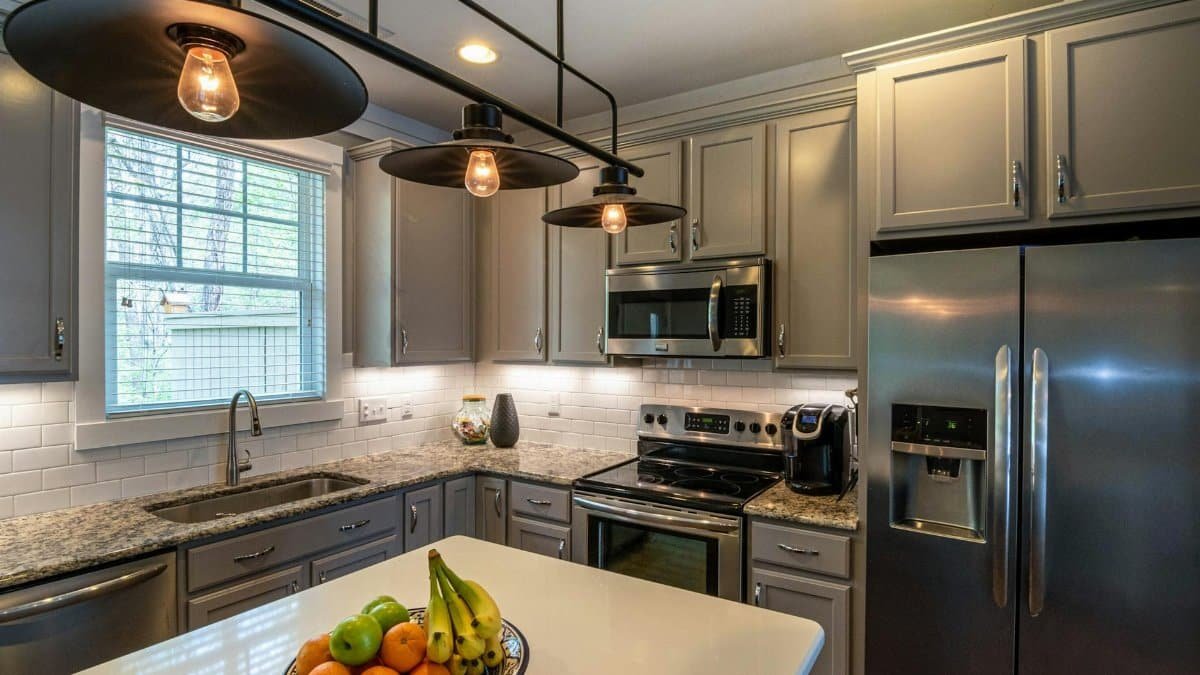
LEDs everywhere. ENERGY STAR appliances sip power. Induction stoves heat pots directly, skipping oven waste. Smart refrigerators monitor usage via apps.
Designers embed occupancy sensors in halls. Voids in walls house wiring for future EV chargers. A Midwest builder integrated induction-ready kitchens from day one. Bills dropped 40 percent pre-solar.
Water Strategies for True Zero Impact

Net zero extends to water. Greywater systems recycle shower runoff for irrigation. Low-flow fixtures cap usage at 20 gallons daily per person. Cisterns capture roofs for droughts.
Rain gardens filter runoff. In arid Arizona, one home achieved 100 percent on-site water cycling. Permeable pavers recharge aquifers. These loops cut municipal demands, aligning with broader zero-waste goals.
Smart Tech and Automation

Algorithms rule. Home energy management systems optimize flows. AI predicts usage, shading windows pre-noon. Platforms like Pecan Street integrate solar, batteries and EVs.
A Seattle resident noted in online forums how their system preempted peak rates, banking credits. Voice controls fine-tune thermostats. Cybersecurity looms large; encrypted protocols protect grids.
Navigating Costs and Paybacks

Upfront premiums run 5-15 percent higher, or $20,000-$50,000 extra. Payback hits 7-12 years via savings and incentives. Inflation Reduction Act rebates stack federal dollars.
Mortgage rates favor green builds. Resale values climb 4-7 percent, per appraisals. Lenders like Fannie Mae offer streamlined financing for certified homes. Long-term, insurance dips as resilience rises.
Certification Paths and Codes

Aim for Living Building Challenge or PHIUS+ Zero. DOE’s program verifies performance ( DOE Zero Energy Ready Buildings ). Local codes evolve; California mandates near-zero by 2023 for singles.
Builders document via HERS ratings under 20. Third-party audits ensure claims hold. Momentum builds as states adopt stretch codes.
Real-World Lessons from Pioneers

In Florida, a passive house variant weathered hurricanes, solar intact. Panels withstood 150-mph winds. Occupants praised steady temps amid blackouts.
Rocky Mountain Institute’s prototypes in Colorado export excess power, funding community shares. Designers iterate: early models overbuilt batteries; now rightsizing prevails. These tales demystify the process.
Overcoming Common Hurdles

Supply chains snag rare earths for panels. Labor shortages hit specialized installers. Skeptics cite cloudy ROI. Solutions? Modular prefabs speed assembly. Community solar pools resources.
Trades upskill via apprenticeships. Policymakers push net metering reforms. Persistence pays; early adopters mentor newcomers.
Scaling Up: The Road Ahead

Mass adoption nears. Factory-built net zero modules cut costs 20 percent. Utilities incentivize via time-of-use rates. By 2030, projections see 10 percent of builds net zero.
Cities like Austin lead with mandates. Homeowners gain resilience against rising utility costs, now averaging $150 monthly. The shift redefines shelter as self-sustaining havens in a volatile world.

With a career spanning investment banking to private equity, Dominik brings a rare perspective on wealth. He explores how money can be a tool for personal freedom and positive impact, offering strategies for abundance that align with your values.
Disclaimer
The content on this post is for informational purposes only. It is not intended as a substitute for professional health or financial advice. Always seek the guidance of a qualified professional with any questions you may have regarding your health or finances. All information is provided by FulfilledHumans.com (a brand of EgoEase LLC) and is not guaranteed to be complete, accurate, or reliable.