
In a landmark shift for global business, the 3-2 hybrid model has solidified as the preferred corporate standard among startups worldwide. NordLayer’s report, dated January 16, 2026, confirms this hybrid work standard—three days in-office, two days remote—now dominates corporate preferences. This development marks a formal embrace of flexible arrangements, reshaping how startups structure their workforces.
The Rise of the 3-2 Model

The 3-2 hybrid model represents a balanced approach to office and remote work. NordLayer’s findings highlight its ascent as the go-to framework for global startups. This structure allows teams to collaborate in person three days a week while granting two days of remote flexibility. The report positions it as more than a trend—it’s the official standard, reflecting widespread adoption across innovative companies. Startups, known for agility, have rallied around this model to optimize productivity and employee satisfaction.
NordLayer’s Pivotal Report
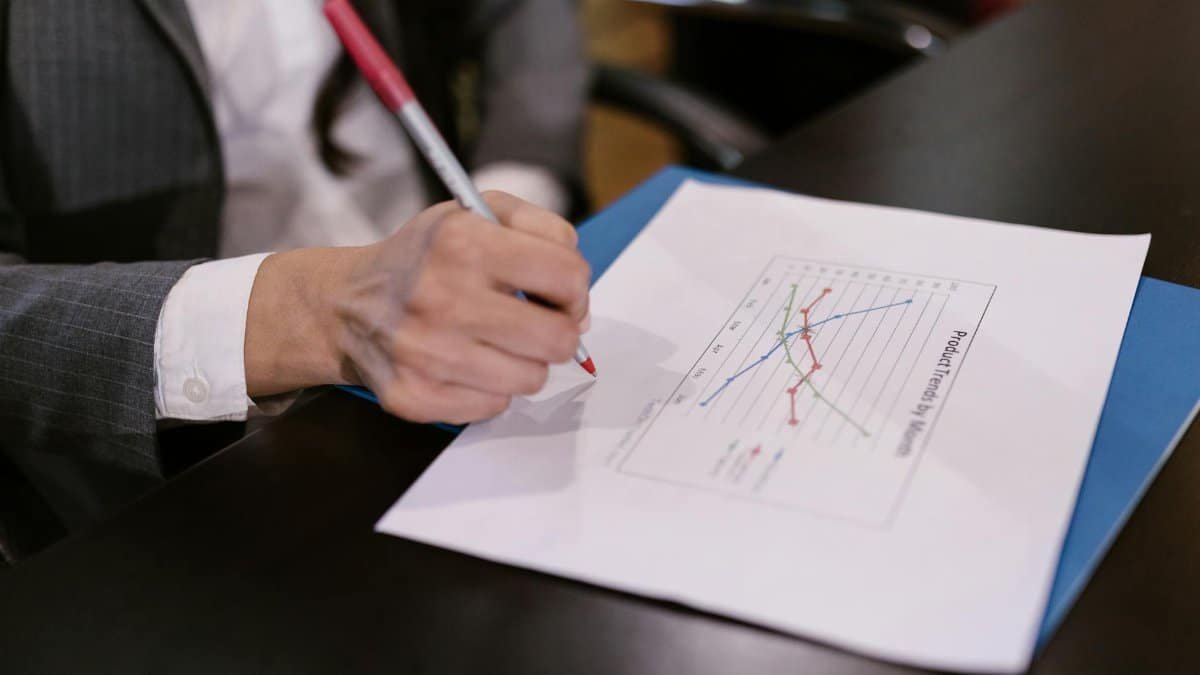
NordLayer, a leader in secure network solutions, released its analysis on January 16, 2026. The report explicitly states the 3-2 hybrid model has become the preferred corporate standard. Drawing from data on global startups, it underscores a consensus in how these firms organize work. This isn’t anecdotal; it’s a declared norm backed by NordLayer’s insights into business operations. For details on their research, see the NordLayer Blog, which covers workplace security and trends supporting such models.
Defining the Hybrid Work Standard
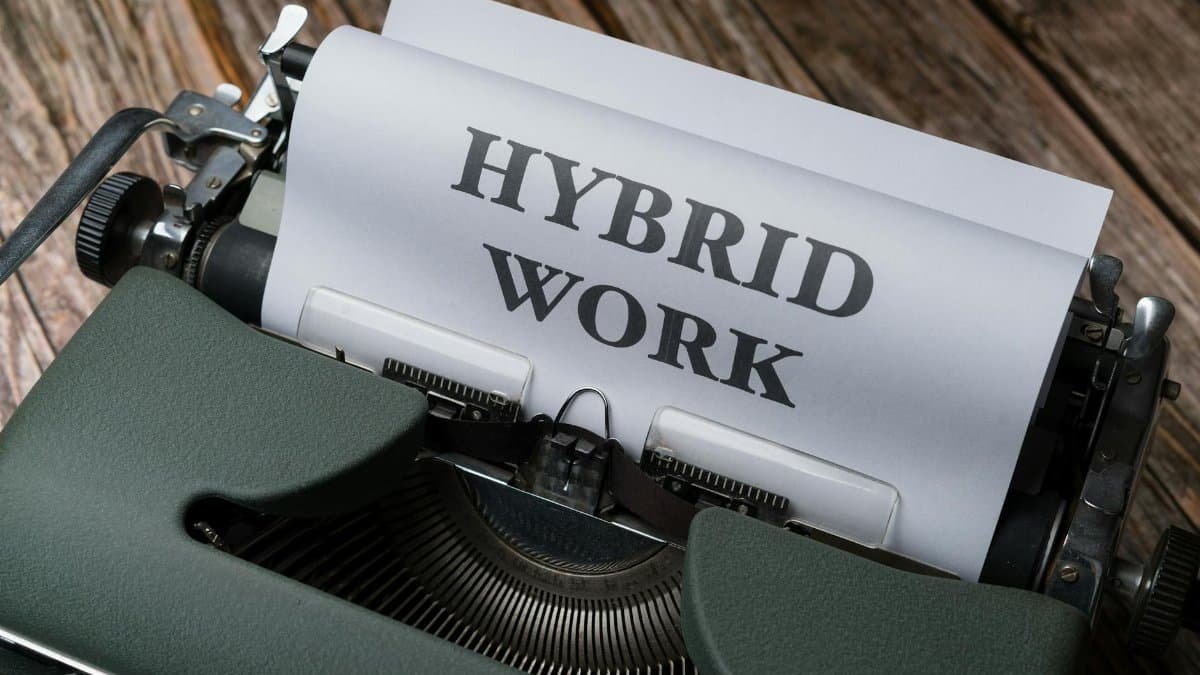
At its core, the hybrid work standard embodied by the 3-2 model splits the workweek evenly between office presence and remote access. Three in-office days foster direct collaboration, idea-sharing, and culture-building. The two remote days offer autonomy, reducing commute burdens and accommodating personal needs. NordLayer’s report cements this as the benchmark for startups, where speed and adaptability reign. This standard prioritizes structure without rigidity, aligning with the dynamic nature of startup environments.
Global Startups Embrace the Shift

Startups across the globe have made the 3-2 model their corporate standard, per NordLayer. This unified preference signals a departure from all-remote or full-office setups. In regions from North America to Europe and Asia, innovative firms see it as optimal for growth. The report captures this as an official evolution, driven by the need for hybrid efficiency. U.S.-based startups, in particular, mirror this trend, integrating the model to stay competitive amid talent wars.
Office Days: Building Momentum
The three in-office days in the 3-2 hybrid model anchor team dynamics. NordLayer notes this component as key to its status as the preferred standard. Face-to-face interactions spark creativity and quick problem-solving, essential for startups. These days often focus on meetings, brainstorming, and mentorship. By standardizing them, companies ensure consistent energy in shared spaces, boosting morale and output without daily mandates.
Remote Days: Flexibility Wins

Two remote days provide breathing room in the hybrid work standard. NordLayer’s report emphasizes how this balance appeals to global startups. Workers handle focused tasks, avoid travel fatigue, and integrate life demands. This setup retains talent by respecting boundaries, a priority in fast-paced startup cultures. The model’s success lies in this equilibrium, making it the corporate norm.
Implications for Corporate Culture
As the 3-2 model becomes the hybrid work standard, corporate cultures adapt. NordLayer’s insights reveal startups using it to blend collaboration with independence. Leaders schedule core office days for high-impact work, reserving remote time for deep dives. This standard fosters trust, reducing micromanagement. In 2026, it positions startups to attract diverse talent, enhancing innovation pipelines worldwide.
Security and Support in Hybrid setups

NordLayer, experts in network security, ties the 3-2 model’s rise to robust infrastructure needs. Their report implies secure remote access underpins its adoption as the standard. Startups rely on tools to protect data during those two remote days. This alignment bolsters confidence in the hybrid work standard. For broader context on hybrid security trends, Gallup’s workplace research offers supporting data at Gallup Workplace.
Why This Model Dominates Startups

Global startups favor the 3-2 hybrid model for its practicality, as NordLayer reports. It scales with growth phases, accommodating expanding teams without overhauling policies. The standard delivers measurable benefits: stronger in-person bonds three days a week, paired with remote efficiency. In 2026, this preference reflects lessons from past work experiments, solidifying a sustainable path forward for corporate operations.
The confirmation of the 3-2 hybrid model as the corporate standard underscores a maturing workplace. NordLayer’s January 16, 2026, report provides the definitive marker. Startups worldwide now navigate this hybrid work standard, balancing presence and flexibility to drive success.

Natasha is the heart of our exploration into conscious connection. Applying principles from multiple counseling courses in her own life, she guides you to cultivate stronger, more joyful bonds.
Disclaimer
The content on this post is for informational purposes only. It is not intended as a substitute for professional health or financial advice. Always seek the guidance of a qualified professional with any questions you may have regarding your health or finances. All information is provided by FulfilledHumans.com (a brand of EgoEase LLC) and is not guaranteed to be complete, accurate, or reliable.