
Simply put, culture rot workplace is the gradual decay of healthy work environments triggered by unnoticed breakdowns in trust. HR experts are sounding the alarm in February 2026, identifying this silent morale killer as a pervasive threat to team dynamics. As trust erodes without fanfare, once-vibrant workplaces lose their edge, leading to diminished productivity and engagement. Drawing from insights by global HR platform Deel, this phenomenon demands immediate attention from leaders aiming to sustain positive cultures.
What Defines Culture Rot?

Culture rot workplace manifests as a subtle yet relentless process. Healthy environments, built on mutual respect and reliability, begin to fray when trust breaks down incrementally. These breakdowns often go unnoticed because they lack dramatic triggers—no single event sparks outrage. Instead, small inconsistencies accumulate, like delayed feedback or unkept promises, fostering doubt. HR experts emphasize that this rot starts invisibly, mirroring how rust weakens metal over time without visible cracks initially.
The Central Role of Trust Breakdowns
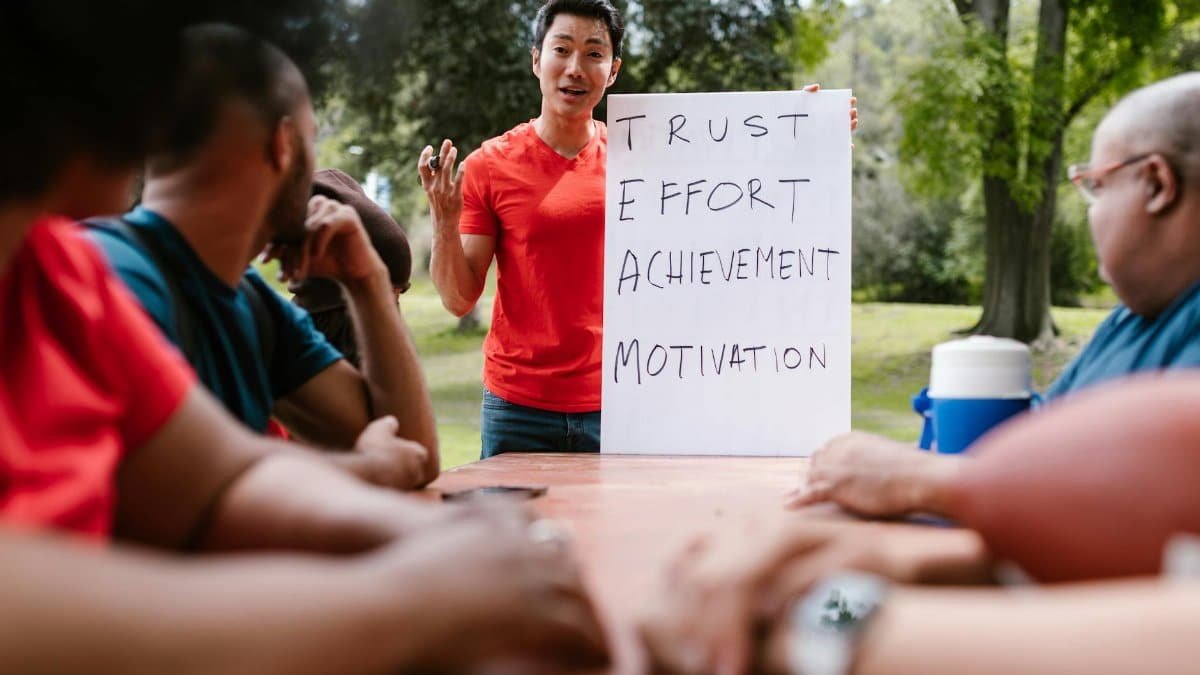
At the heart of culture rot workplace lies eroding trust. Workplaces thrive when employees believe in their leaders, colleagues, and processes. Unnoticed breakdowns occur through everyday lapses: inconsistent policies, favoritism whispers, or ignored concerns. Deel’s analysis highlights how these erode the foundational bonds, turning collaborative spaces into silos of suspicion. Without trust, communication falters, innovation stalls, and morale plummets undetected until it’s too late.
Why It Remains Unnoticed

The insidious nature of culture rot workplace stems from its stealth. Unlike overt crises such as layoffs, trust breakdowns creep in gradually. Employees might dismiss early signs as temporary glitches— a missed deadline here, a vague directive there. HR experts warn that this invisibility allows decay to spread unchecked. By February 2026, Deel notes rising reports of teams suffering quietly, with productivity dips attributed to “fatigue” rather than root cultural issues.
Impact on Healthy Work Environments

Healthy work environments decay under culture rot workplace, shifting from dynamic hubs to stagnant zones. Once characterized by open dialogue and shared goals, these spaces see engagement wane as trust vanishes. Employees withdraw, collaboration suffers, and turnover risks rise. Deel’s insights reveal how this slow poison undermines the very elements that define thriving cultures: psychological safety and mutual accountability.
HR Experts Weigh In

HR professionals, led by voices from Deel, are issuing stark warnings about culture rot workplace. In early 2026, they describe it as a morale killer that preys on complacency. Experts stress proactive vigilance, as neglected trust issues compound exponentially. Their message: leaders must scan for subtle fractures before they fracture teams irreparably. This February alert underscores a timely call amid evolving remote and hybrid work trends amplifying isolation.
Signs Pointing to Early Decay

Spotting culture rot workplace requires attuning to faint signals. Unnoticed breakdowns reveal themselves in rising absenteeism, hesitant meetings, or gossip spikes. Healthy environments show cohesion; rot brings fragmentation. Deel sources point to metrics like feedback survey dips or collaboration tool underuse as red flags. Ignoring these allows decay to deepen, transforming minor trust slips into major cultural voids.
Consequences for Team Morale

Culture rot workplace acts as a silent morale killer, sapping enthusiasm without alarm bells. As trust erodes, employees feel undervalued, leading to disengagement. Deel’s February 2026 warning frames this as a chain reaction: doubt breeds cynicism, which stifles initiative. Workplaces once buzzing with energy turn listless, with long-term effects rippling into retention and performance challenges.
Deel’s Perspective on the Threat
Global HR firm Deel has spotlighted culture rot workplace as a critical 2026 concern. Their experts detail how unnoticed trust breakdowns dismantle even robust setups. Accessing Deel’s resources offers deeper dives into global workforce trends exacerbating this issue, such as distributed teams facing communication gaps.Deel HR Blog provides context on maintaining trust across borders.
Broader Implications for U.S. Workplaces

In the U.S., culture rot workplace threatens post-pandemic recoveries. Hybrid models heighten risks of unnoticed breakdowns, as virtual interactions mask emotional cues. HR warnings from Deel align with patterns seen in employee surveys, where trust gaps correlate with burnout. Addressing this demands cultural audits, echoing calls from established research on engagement drivers. For instance, Gallup’s longstanding workplace studies reinforce trust’s primacy.Gallup Workplace Culture Resources.
Leaders confronting culture rot workplace must prioritize trust diagnostics. By heeding February 2026 alerts from Deel and HR peers, organizations can halt decay early. Vigilance turns potential rot into resilient growth, preserving the healthy environments essential for modern success.

A certified hypnotherapist, Reiki practitioner, sound healer, and MBCT trainer, Christopher guides our journey into the spiritual dimension, helping you tap into a deeper sense of peace and awareness.
Disclaimer
The content on this post is for informational purposes only. It is not intended as a substitute for professional health or financial advice. Always seek the guidance of a qualified professional with any questions you may have regarding your health or finances. All information is provided by FulfilledHumans.com (a brand of EgoEase LLC) and is not guaranteed to be complete, accurate, or reliable.