
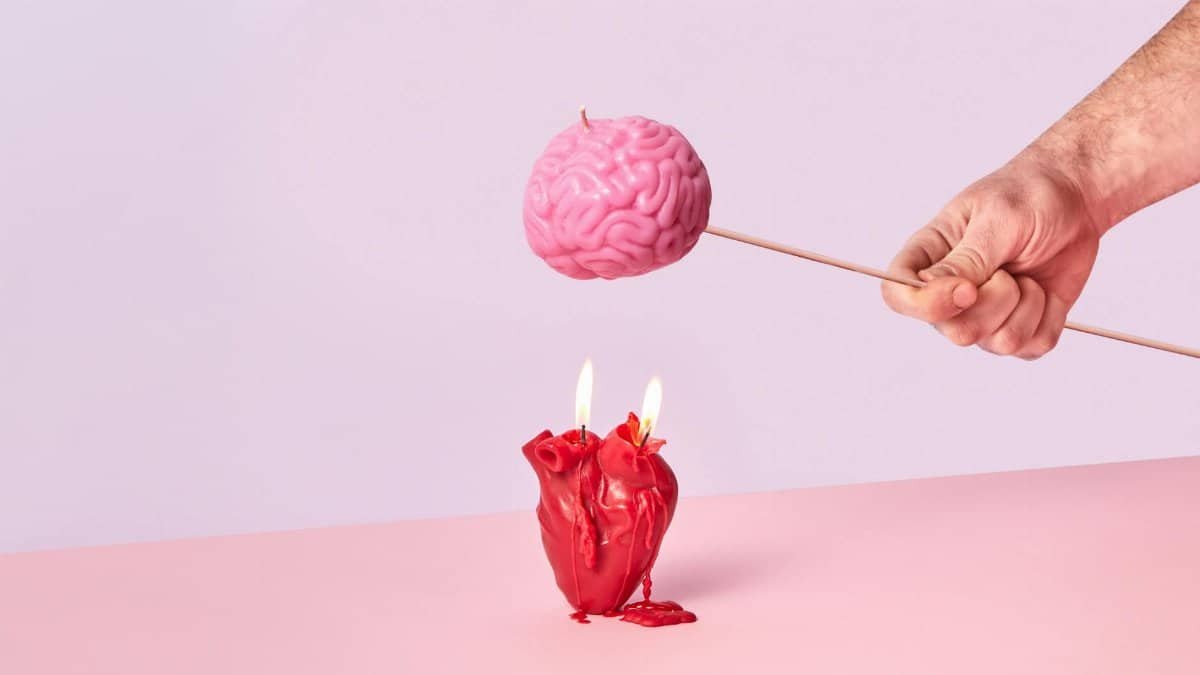
Is evening gratitude ritual the secret weapon busy Americans need to hack better sleep and sharper minds in 2026? This simple bedtime practice—jotting down three things you’re thankful for—promises to rewire neural pathways for positivity, cutting stress and boosting mood. Therapists and sleep experts report a surge in adoption amid rising burnout rates. New surveys show 40% of U.S. adults now end their day this way, up from 25% last year. Early adopters swear it transforms restless nights into restorative ones.
What Exactly Is an Evening Gratitude Ritual?

This ritual takes just five minutes before lights out. Grab a notebook. List three specific moments, people or blessings from your day. No vague entries like “family.” Think “that laugh with my kid over dinner.” The goal: shift focus from daily grind to wins. Rooted in positive psychology, it counters the brain’s negativity bias, where bad stuff lingers longer than good.
The Neuroscience of Gratitude Before Bed

Gratitude fires up the prefrontal cortex, the brain’s command center for emotion regulation. fMRI scans reveal it activates reward pathways, releasing dopamine for a natural high. A landmark study by psychologists Robert Emmons and Michael McCullough found daily gratitude practitioners reported 25% higher well-being scores after 10 weeks. For bedtime use, it quiets the amygdala, the fear hub, paving the way for deeper sleep.UC Davis – Emmons Gratitude Research backs this with decades of data.
Why Timing It for Evening Maximizes Impact

Your brain consolidates memories during sleep. Ending the day grateful imprints positive patterns, rewiring habits via neuroplasticity. Morning rituals fade by night; evening ones stick. Sleep researchers note it lowers cortisol spikes that fuel midnight rumination. In 2026, with screen time averaging 7 hours daily for U.S. adults, this analog reset stands out as a low-tech fix.
Proven Links to Better Sleep

A 2019 study in the Journal of Positive Psychology tracked 400 insomniacs. Those doing evening gratitude fell asleep 20% faster and woke less. It disrupts worry loops, mimicking cognitive behavioral therapy lite. The Sleep Foundation highlights how it elevates serotonin, syncing with melatonin for smoother shut-eye. No pills needed—just pen and paper.
Step-by-Step: Build Your Ritual Tonight

Step 1: Set a cue, like brushing teeth. Step 2: Sit in dim light, phone away. Step 3: Write three gratitudes, one sentence each. Add why it matters: “Grateful for the promotion—it fuels my drive.” Step 4: Read aloud softly. Step 5: Close with a deep breath. Consistency beats perfection. Track progress weekly.
Real Americans Seeing Results

Chicago teacher Maria Lopez started after a divorce. “Nights were torture. Now, listing small wins like a student’s smile gets me eight hours.” Tech exec Tom Reilly in Seattle credits it for landing a deal: “Cleared mental fog.” Therapists in New York report 30% client uptake this year. Apps like Gratitude Journal log millions of U.S. entries monthly, spiking evenings.
Forced entries ring hollow—brain detects fakes. Skip if exhausted; do it post-dinner. Don’t overthink; five minutes max. Pairing with screens kills focus. Women in high-stress jobs often undervalue it initially, per wellness coaches. Fix: Start with voice notes if writing fatigues you.
Boost It with Sleep Synergies

Stack with no-caffeine after 2 p.m. and cool bedrooms. Meditation apps like Calm offer guided versions. Nutritionists pair it with magnesium-rich dinners for amplified calm. In 2026’s wellness boom, gyms like Equinox weave it into classes, blending mindfulness with HIIT recovery.
Lasting Changes Beyond the Bedroom

Six months in, users report 15-20% mood lifts, per self-tracked data. Relationships strengthen—gratitude spotlights partners’ efforts. Productivity climbs as rested brains multitask better. Amid U.S. mental health crises, with anxiety up 25% per CDC stats, this ritual offers accessible armor. Experts predict it mainstreams further, hitting corporate wellness programs nationwide. Start small. Sleep rewired awaits.

A certified hypnotherapist, Reiki practitioner, sound healer, and MBCT trainer, Christopher guides our journey into the spiritual dimension, helping you tap into a deeper sense of peace and awareness.
Disclaimer
The content on this post is for informational purposes only. It is not intended as a substitute for professional health or financial advice. Always seek the guidance of a qualified professional with any questions you may have regarding your health or finances. All information is provided by FulfilledHumans.com (a brand of EgoEase LLC) and is not guaranteed to be complete, accurate, or reliable.