
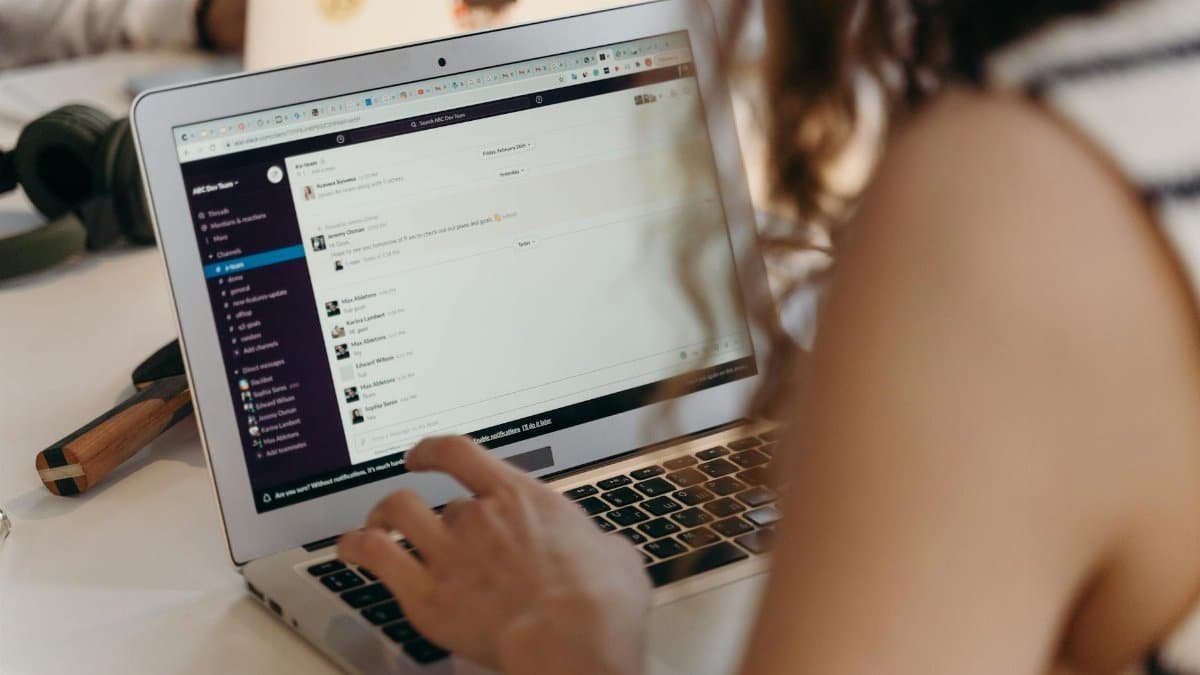
A recent Microsoft survey found 81% of workers feel overwhelmed by constant notifications, sparking a backlash against nonstop pings.Microsoft Work Trend Index Enter work chat boundaries: the push to mute after-hours messages and reclaim deep work time. As remote setups stick around, employees from New York startups to California tech giants are drawing lines. This shift isn’t just personal—it’s hitting company culture hard in 2026.
The Ping Overload Crisis

Slack, Teams and similar apps promised efficiency. Instead, they deliver chaos. Workers average 200 notifications daily, per a Gallup report.Gallup State of the Global Workplace Many check messages at midnight or during family dinners. Result? Fragmented focus. Deep work—those two-hour stretches of uninterrupted flow—vanishes. Experts call it “context switching hell.” One study clocked it costing 23 minutes per interruption to refocus. U.S. offices ignore this at their peril as burnout climbs.
Why Boundaries Beat Burnout

Fatigue hits hard. Over half of American employees report exhaustion from digital tethers, fueling quiet quitting. Work chat boundaries flip the script. Muting channels post-6 p.m. lets brains recharge. Psychologists note better sleep and sharper decisions follow. Companies see it too: Firms enforcing cutoff times report 20% jumps in output. No more “always on” badge of honor. In 2026’s hybrid world, this protects mental health without slacking performance.
Spotting Your Boundary Breakers

Red flags abound. Do weekends start with DM dread? Or do vacations mean inbox triage? Remote workers especially suffer—blurred home-office lines invite intrusion. Track your habits: Apps like RescueTime reveal Slack steals hours. If replies dominate evenings, you’re overdue for change. Leaders spot team strain in sloppy errors or MIA vibes. Early intervention keeps resentment from boiling over.
Tech Hacks to Silence the Noise

Start simple. Slack’s Do Not Disturb mode schedules quiet hours. Set it firm: 7 p.m. to 8 a.m. weekdays, full mute weekends. Microsoft Teams offers status messages like “Out till Monday.” Browser extensions like Freedom block apps entirely. For iPhone users, Focus modes route work alerts to oblivion. Advanced? Zapier automates “I’m offline” replies. These tools enforce work chat boundaries without awkward convos.
Talking Boundaries Without Backlash

Announce it clearly. Email your team: “To deliver peak work, I’m offline after 6 p.m. Emergencies? Call.” Frame as mutual win—stronger output for all. Managers, lead by example. Set team norms in channel descriptions: “No pings post-5.” Pushback happens. The weekend warrior dismisses it. Counter with data: Boundaries boost retention. HR pros say transparency builds trust, not tension.
Productivity Perks of Going Dark

Proof stacks up. Cal Newport’s “Deep Work” philosophy proves focus trumps frenzy. Firms like Basecamp ban after-hours Slack, yielding happier coders and faster ships. A 2026 Atlassian survey showed boundary-setters finish tasks 30% quicker. Creativity surges too—no more half-baked ideas from ping fatigue. U.S. productivity lags? Blame the buzz, not the brain.
Company Policies Catching Up

Big players adapt. Amazon’s “shutdown” rituals cut evening emails. France mandates “right to disconnect” laws; U.S. states eye similar. In New York, tech unions push Slack limits in contracts. CEOs like Shopify’s Tobi Lutke preach “calendar purges.” Small businesses follow, adding “no-chat Fridays” for reflection. 2026 trends point to standard clauses in job offers: Respect boundaries or lose talent.
Worker Wins and Warnings

Take Mia Lopez, a Chicago marketer. Pre-boundaries, Slack owned her nights. Post-mute? Promotion followed peak projects. Contrast Jake in LA: Ignored limits, crashed into therapy. Lessons clear—boundaries aren’t selfish. They sustain careers. Watch for toxic teams punishing logoffs. Job hunt if needed; wellbeing trumps warnings.
Five Steps to Lock It In
1. Audit your alerts—slash non-essentials. 2. Pick cutoff times, share publicly. 3. Use auto-replies. 4. Review weekly: Adjust as needed. 5. Rally colleagues for collective calm. Track a month. Most see focus explode. Work chat boundaries aren’t optional in 2026—they’re survival. Ditch the ping ping. Reclaim your edge.
This move ripples wide. As U.S. labor tightens, firms ignoring it risk exodus. Smart ones build it in. Your next deep dive awaits.

Natasha is the heart of our exploration into conscious connection. Applying principles from multiple counseling courses in her own life, she guides you to cultivate stronger, more joyful bonds.
Disclaimer
The content on this post is for informational purposes only. It is not intended as a substitute for professional health or financial advice. Always seek the guidance of a qualified professional with any questions you may have regarding your health or finances. All information is provided by FulfilledHumans.com (a brand of EgoEase LLC) and is not guaranteed to be complete, accurate, or reliable.