
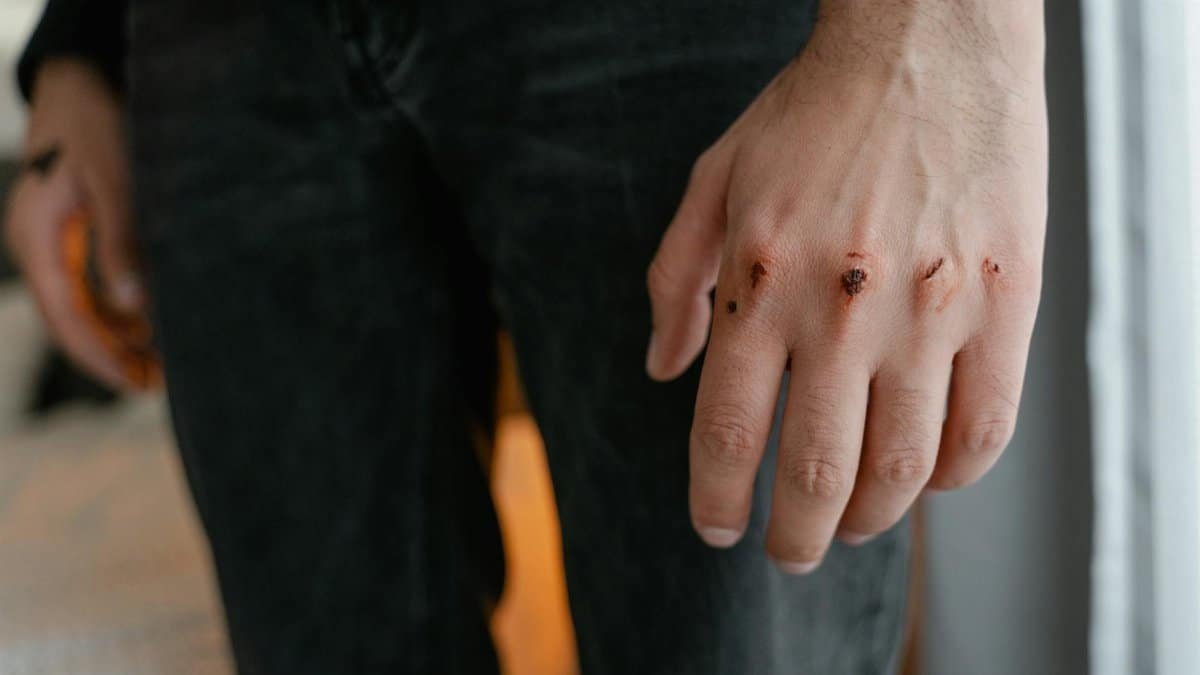
In quiet therapy rooms across the country, couples are unraveling a truth long buried: the playground fights and parental letdowns of childhood often echo loudest in the bedroom. A landmark study from the Journal of Personality and Social Psychology estimates that insecure attachment styles—rooted in early disruptions—affect up to 40 percent of adults in long-term relationships. These patterns, invisible yet insistent, sabotage intimacy and trust. Healing attachment wounds has emerged as a quiet revolution in modern marriages, offering couples a map out of repetitive pain. Therapists report a surge in demand, with sessions blending neuroscience and heartfelt dialogue. As one partner put it recently in an online forum thread, “It’s like my husband’s distance was my mother’s absence all over again.” In 2026, this work feels urgent, a bridge from past hurts to present connection.
Roots in the Early Years
Children crave safety. A caregiver’s consistent warmth builds secure bonds. But inconsistency breeds doubt. John Bowlby’s attachment theory, foundational since the 1950s, explains this. Disruptions—divorce, neglect, even subtle dismissals—wire the brain for vigilance.
Consider Maria, a 45-year-old from Chicago. Her father vanished when she was five. Decades later, she freezes during her husband’s business trips. “Every goodbye felt final,” she recalls. Such stories abound. The CDC’s Adverse Childhood Experiences study links these early traumas to adult relational strife, with data showing higher divorce rates among those scoring high on ACEs.
Therapists now trace these threads methodically. Sessions start with timelines: family photos, journal entries. Patterns surface. A mother’s criticism becomes a spouse’s nitpicking. Awareness dawns slowly, but it shifts everything.
Spotting the Styles in Your Partnership
Attachment manifests in four styles: secure, anxious, avoidant, disorganized. Secure partners communicate openly, weather storms together. Anxious ones cling, fearing abandonment. Avoidants pull away, prizing independence. Disorganized swings wildly, born of chaos.
In marriages, mismatches ignite. An anxious wife pursues; her avoidant husband retreats. Fights cycle endlessly. Self-assessments help. Questionnaires from researchers like Cindy Hazan reveal tendencies. One exercise: Recall your last argument. Did you chase reassurance or shut down?
Real couples experiment. Tom and Lisa, married 12 years in Seattle, charted their styles. Lisa’s anxiety stemmed from her unpredictable mom. Tom’s avoidance? A stoic dad. Naming it defused blame. “Suddenly, it wasn’t about us failing,” Tom said. “It was old scripts replaying.”
The Brain’s Role in Persistent Pain
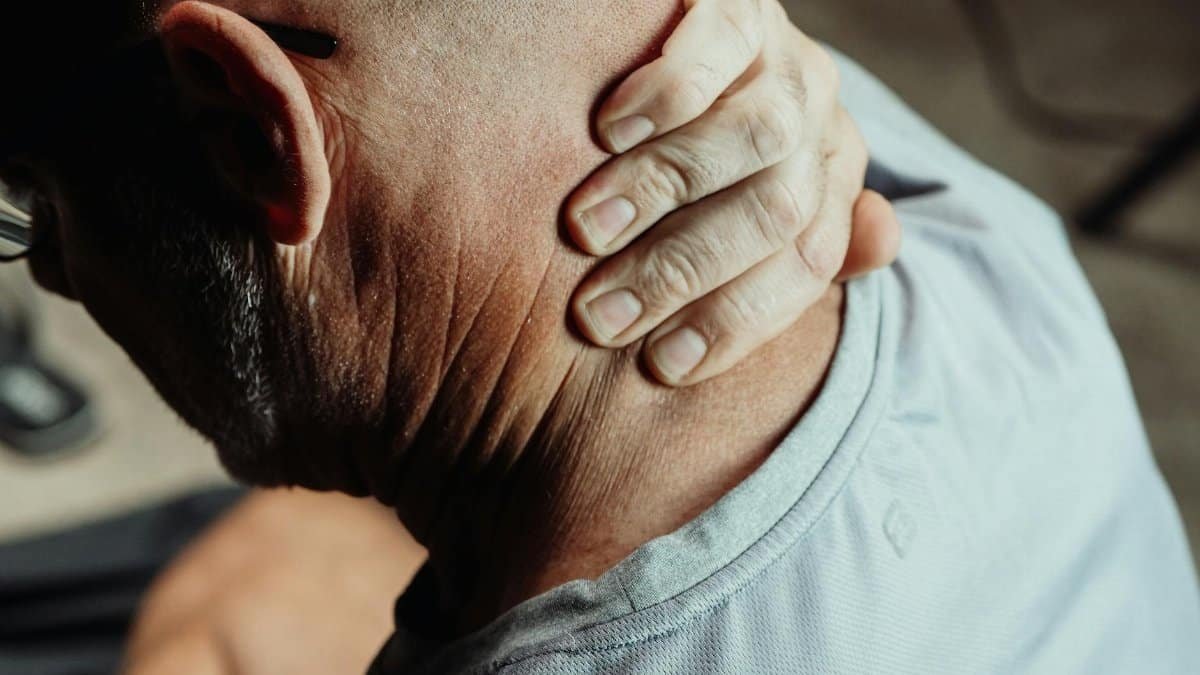
Neuroscience illuminates why healing attachment wounds demands intention. Early stress floods the amygdala, priming fight-or-flight in love. Oxytocin, the bonding hormone, falters in insecure bonds.
A study in Neuropsychopharmacology scanned maternal brains, showing insecure attachments dull responses to infant cues—a pattern echoing into romance. Couples therapy rewires this. Mindfulness activates the prefrontal cortex, calming reactivity.
Practitioners use EMDR, eye movement desensitization, to process memories. Partners witness without fixing. Progress feels somatic: tension eases in shoulders, sleep deepens. In 2026, apps like attachment-focused meditation track this shift daily.
Daily Rituals to Rebuild Safety

Healing starts small. Couples adopt “attunement pauses.” Before bed, share one vulnerability. No advice, just listening. This mirrors secure infancy.
Physical touch matters. Holding hands for six seconds releases oxytocin. Avoidants resist at first, but persistence pays. Anxious partners learn self-soothing: breathwork, not pleas.
Journaling uncovers triggers. Write letters to your younger self, unread by your spouse. Share later. Food rituals ground too—cooking together evokes nurture. One couple in Denver turned weekly pasta nights into confessionals. “Pasta and tears,” the wife laughed. Laughter returned.
Navigating Therapy as a Team
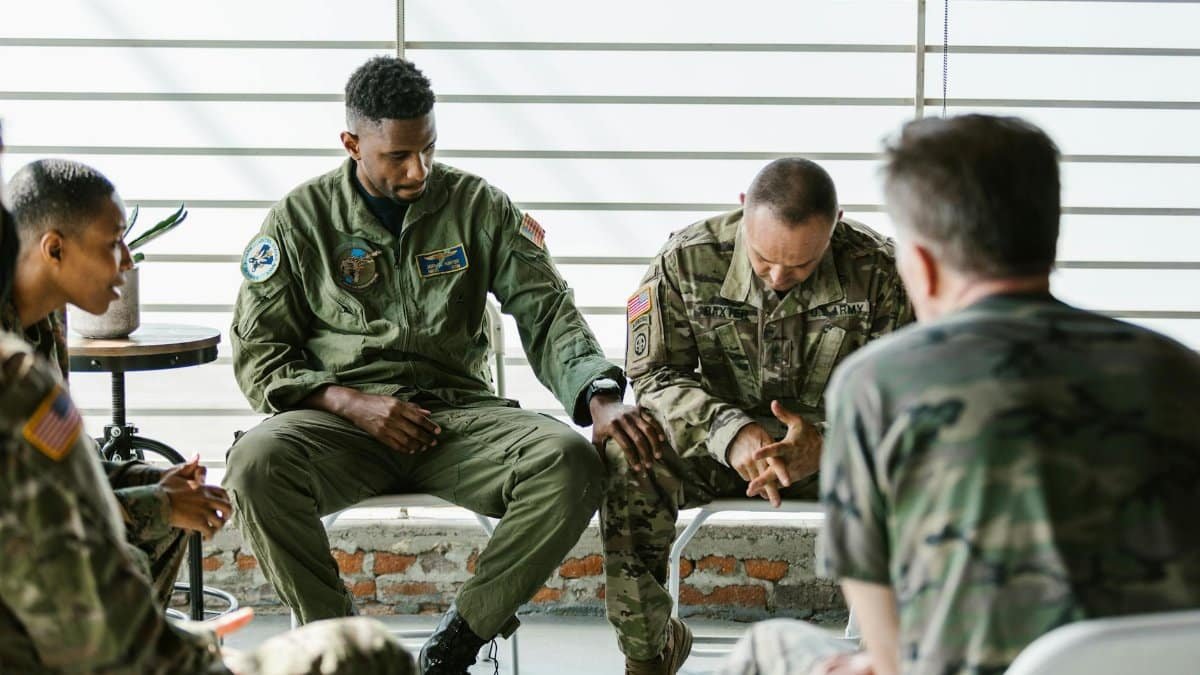
Solo therapy unpacks personal wounds. Couples work joins them. Emotionally Focused Therapy (EFT), pioneered by Sue Johnson, boasts 70-75 percent success rates.
Sessions unfold in stages. First, map cycles. Then, soften defenses. A wife might say, “I shut down because I feel invisible, like with my dad.” Husband responds, “I didn’t see your fear.” Bonds reform.
Finding the right therapist matters. Look for EFT certification via the International Centre for Excellence in Emotionally Focused Therapy. Virtual options exploded post-pandemic, making access easier in rural areas.
Trust: The Slowest to Mend

Betrayal amplifies wounds. Infidelity revives abandonment. Even micro-betrayals—forgotten birthdays—sting deeper.
Rebuilding demands repair attempts. “Gottman bids,” small connection bids like “Admire my new tie?” Successful replies stack safety. Track them weekly.
Forgiveness isn’t amnesia. It’s choosing response over reaction. Couples role-play old hurts, rewriting endings. Progress shows in vulnerability: sharing dreams, not just grievances.
Parenting Through Your Own Wounds
Marriage intersects with family-making. Unhealed wounds pass down. Secure parents model attunement: eye contact during tantrums, validating tears.
Break the cycle deliberately. Co-regulate: Hold your child during meltdowns, narrating feelings. “You’re mad, and that’s okay.” Spouses support, avoiding triangulation.
One father, healing his avoidant style, started bedtime stories. “Reading aloud felt exposing,” he admitted. His kids now seek him out. Ripple effects strengthen the marriage too.
Obstacles That Trip Up Progress

Resistance arises. Avoidants label therapy “nagging.” Anxious partners fear change disrupts the chase. Denial blocks: “My childhood was fine.”
External stress—jobs, finances—derails. Prioritize sessions amid chaos. Perfectionism hinders; healing is messy, nonlinear.
Cultural stigma lingers, especially among older couples. “Therapy’s for weaklings,” one husband grumbled before breakthroughs. Normalize it. Books like “Attached” by Levine and Heller demystify, sparking conversations.
Signs You’re on the Path Forward
Gauge success by feel. Conflicts shorten. You apologize first. Sex reignites, not as duty but desire. Humor returns—inside jokes flourish.
Long-term, resilience grows. External blows—job loss—test but don’t shatter. Surveys from the Pew Research Center on relationships hint at this: Secure bonds correlate with marital stability.
Celebrate milestones. Anniversaries now honor growth, not survival.
In the end, healing attachment wounds transforms marriage from battlefield to haven. Couples emerge not flawless, but fiercely connected. The work endures, but so does the love it unlocks.

Natasha is the heart of our exploration into conscious connection. Applying principles from multiple counseling courses in her own life, she guides you to cultivate stronger, more joyful bonds.
Disclaimer
The content on this post is for informational purposes only. It is not intended as a substitute for professional health or financial advice. Always seek the guidance of a qualified professional with any questions you may have regarding your health or finances. All information is provided by FulfilledHumans.com (a brand of EgoEase LLC) and is not guaranteed to be complete, accurate, or reliable.