
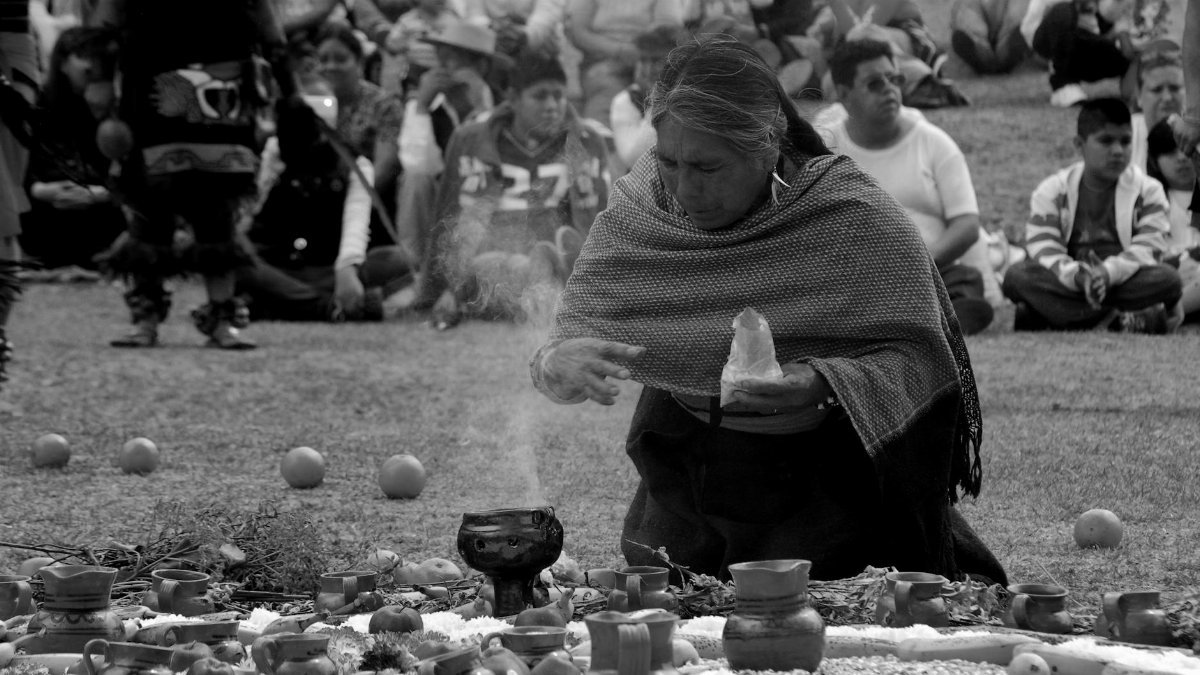
Simply put, indigenous morning prayers are sacred rituals practiced by Native communities to start the day with gratitude, connection, and purpose. These traditions, rooted in centuries of spiritual wisdom, are gaining attention as more Americans seek meaningful ways to center themselves amidst modern chaos. From the Navajo to the Lakota, these prayers often honor the earth, ancestors, and the Creator. Their resurgence matters because they offer a profound way to reconnect with nature and heritage in a disconnected world.
1. Navajo Morning Prayer for Harmony
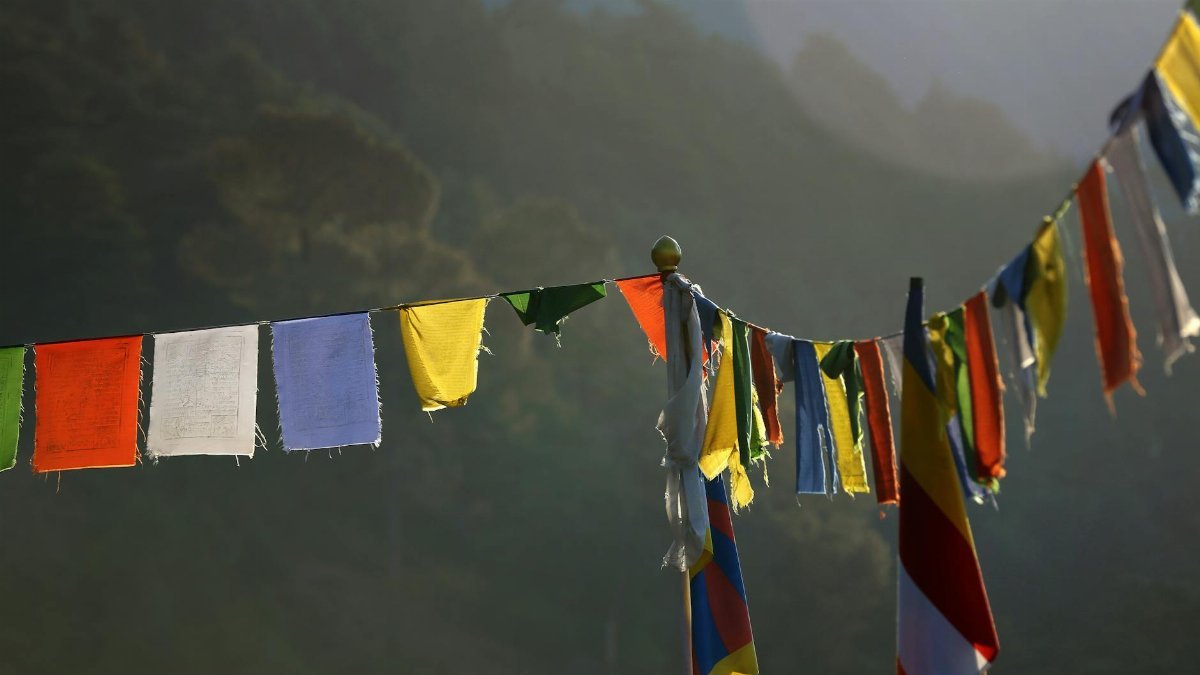
The Navajo, or Diné, begin their day with prayers seeking balance and harmony. Often recited at dawn, these words honor the Holy People and ask for protection. A common theme is walking in beauty, aligning mind, body, and spirit with the world. This practice reflects a deep respect for nature’s cycles, a cornerstone of Navajo spirituality.
2. Lakota Prayer to the Great Spirit

Lakota morning prayers often address Wakan Tanka, the Great Spirit, with gratitude for life and guidance for the day ahead. These prayers, sometimes accompanied by smudging with sage, focus on strength and wisdom. They’re a reminder of interconnectedness, a value central to Lakota culture, emphasizing community and the sacredness of all life.
3. Cherokee Dawn Blessing

Cherokee morning prayers frequently invoke the Creator, Unetlanvhi, to bless the new day. Spoken at sunrise, these blessings seek peace and healing, often referencing the four directions. This tradition underscores the Cherokee’s reverence for balance and their ancestral ties to the land, a practice passed down through generations.
4. Hopi Prayer for Peaceful Beginnings
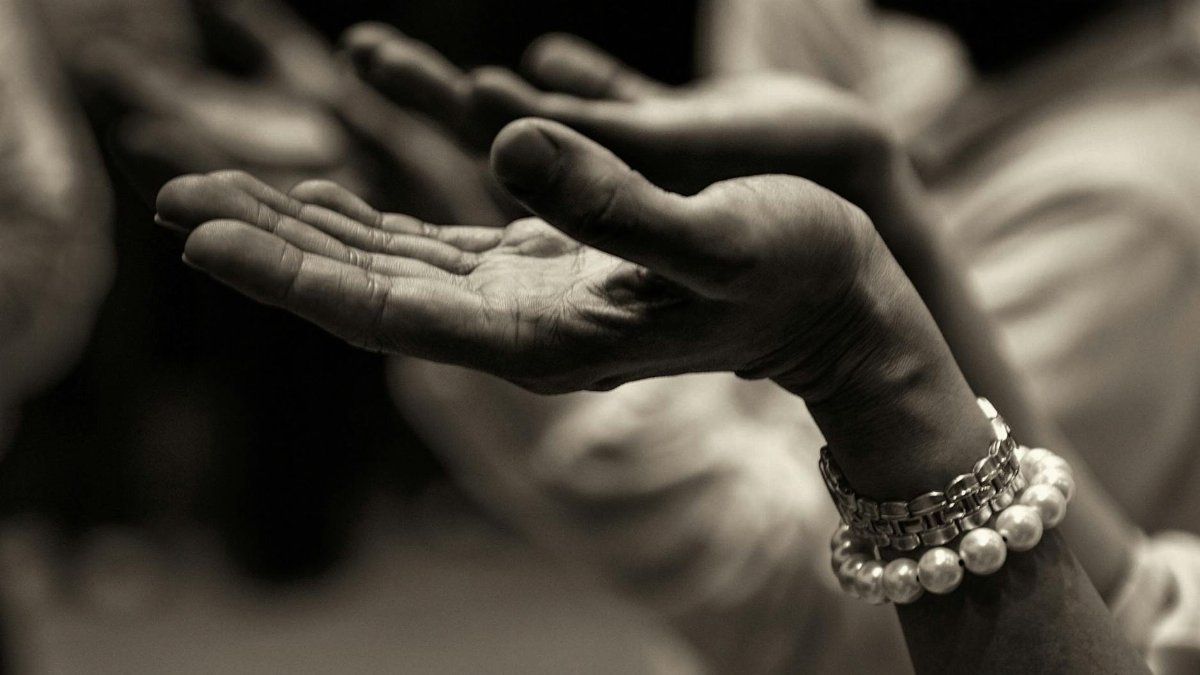
The Hopi people offer morning prayers for peace, focusing on harmony with the earth and sky. These prayers, tied to their agricultural roots, often thank the Creator for rain and growth. They reflect a quiet strength, asking for humility and patience to face daily challenges with grace.
5. Iroquois Thanksgiving Address

The Iroquois Confederacy begins mornings with the Thanksgiving Address, a prayer honoring all elements of creation—from the earth to the stars. Known as “Words Before All Else,” it acknowledges each part of nature with gratitude. This ritual, detailed in resources from Smithsonian Magazine, reinforces unity with the environment.
6. Apache Sunrise Ceremony Prayer
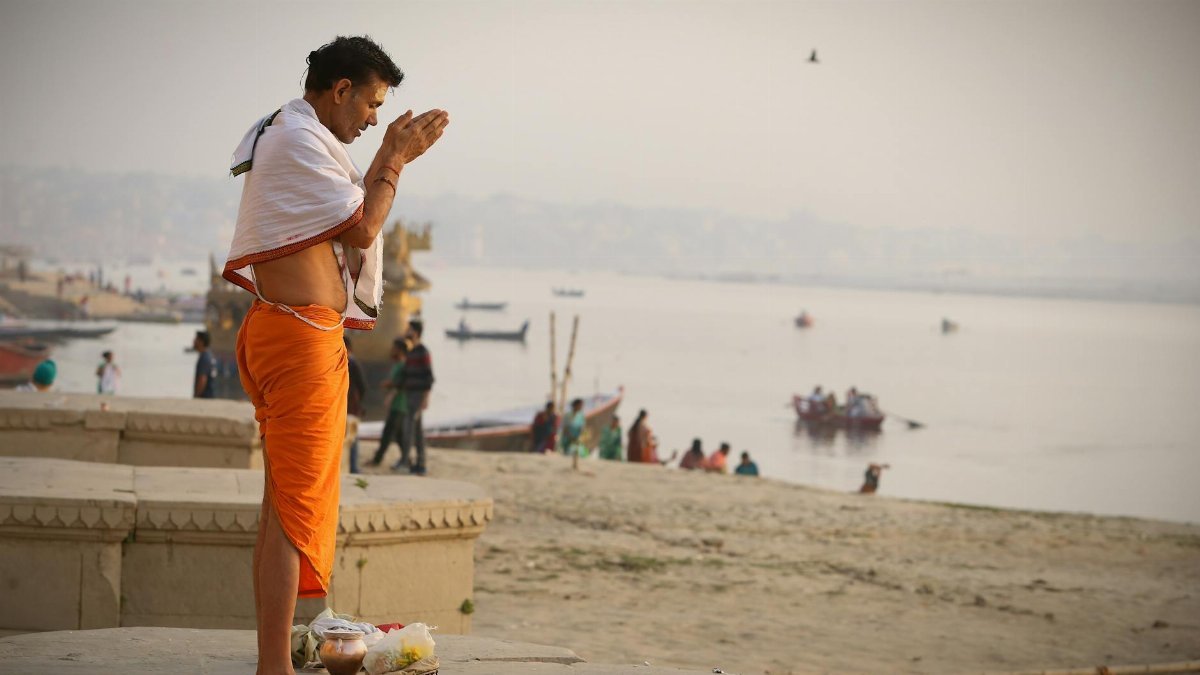
Apache morning prayers often coincide with sunrise ceremonies, asking for strength and renewal. These words, sometimes sung, honor the life-giving power of the sun. They’re a call for endurance, reflecting the Apache’s historical resilience and deep spiritual connection to the natural world.
7. Pueblo Prayer for Community Strength
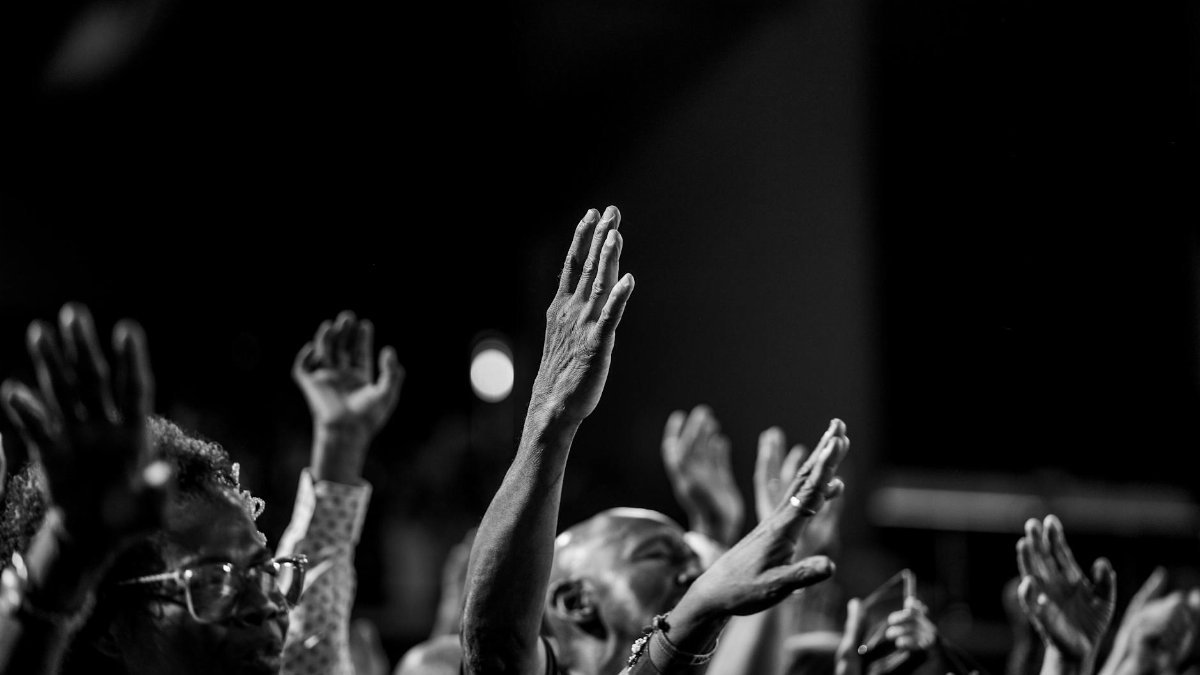
Pueblo communities, like those in New Mexico, start their day with prayers for collective well-being. These often involve offerings of cornmeal and focus on unity, rain, and fertility of the land. This practice highlights their communal values, tying individual purpose to the health of the whole tribe.
8. Cree Morning Gratitude Chant

The Cree people often use morning chants to express thanks to the Creator for another day. These prayers, passed orally, emphasize humility and respect for the earth’s gifts. They’re a grounding force, reminding individuals of their place within a larger web of life, a key Cree belief.
9. Ojibwe Prayer for Guidance
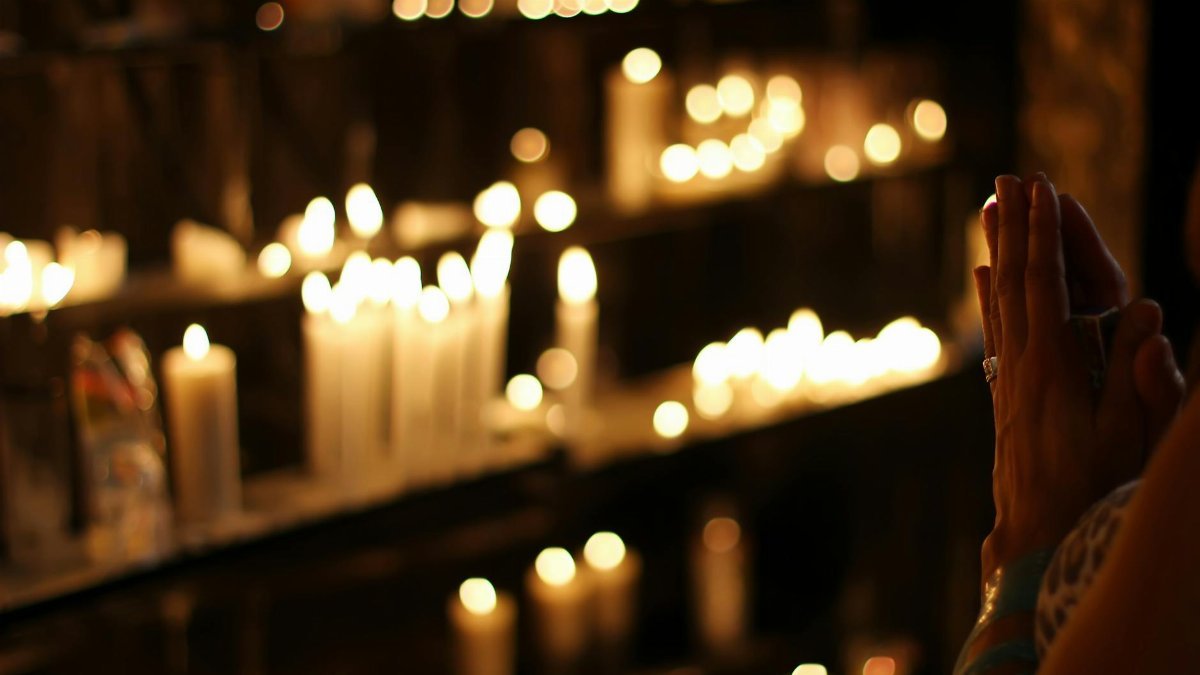
Ojibwe morning prayers seek guidance from Gichi-Manidoo, the Great Spirit, often through quiet reflection or song. These moments, sometimes held by a lake or forest, ask for clarity and protection. This tradition, explored in cultural studies by National Park Service, showcases their bond with nature.
10. Inuit Morning Invocation for Survival
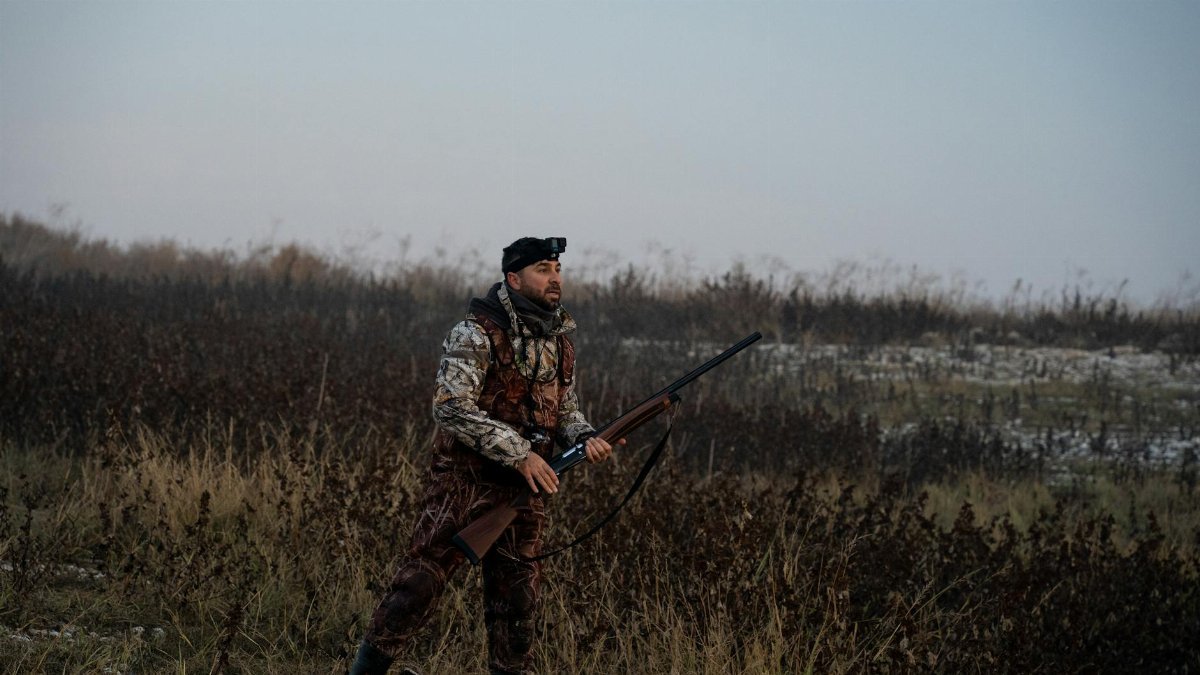
Inuit morning prayers, rooted in the harsh Arctic environment, often ask for strength to endure the day’s challenges. These invocations honor spirits of the land and sea, seeking safe hunts and protection. They reflect a pragmatic spirituality, blending survival with reverence for the forces beyond human control.
As interest in indigenous morning prayers grows in 2025, these traditions offer a timeless way to start the day with intention. They’re not just rituals—they’re a call to remember roots, respect the earth, and find strength in something greater. Across the U.S., more people are turning to these practices for spiritual grounding in uncertain times.

A certified hypnotherapist, Reiki practitioner, sound healer, and MBCT trainer, Christopher guides our journey into the spiritual dimension, helping you tap into a deeper sense of peace and awareness.
Disclaimer
The content on this post is for informational purposes only. It is not intended as a substitute for professional health or financial advice. Always seek the guidance of a qualified professional with any questions you may have regarding your health or finances. All information is provided by FulfilledHumans.com (a brand of EgoEase LLC) and is not guaranteed to be complete, accurate, or reliable.