
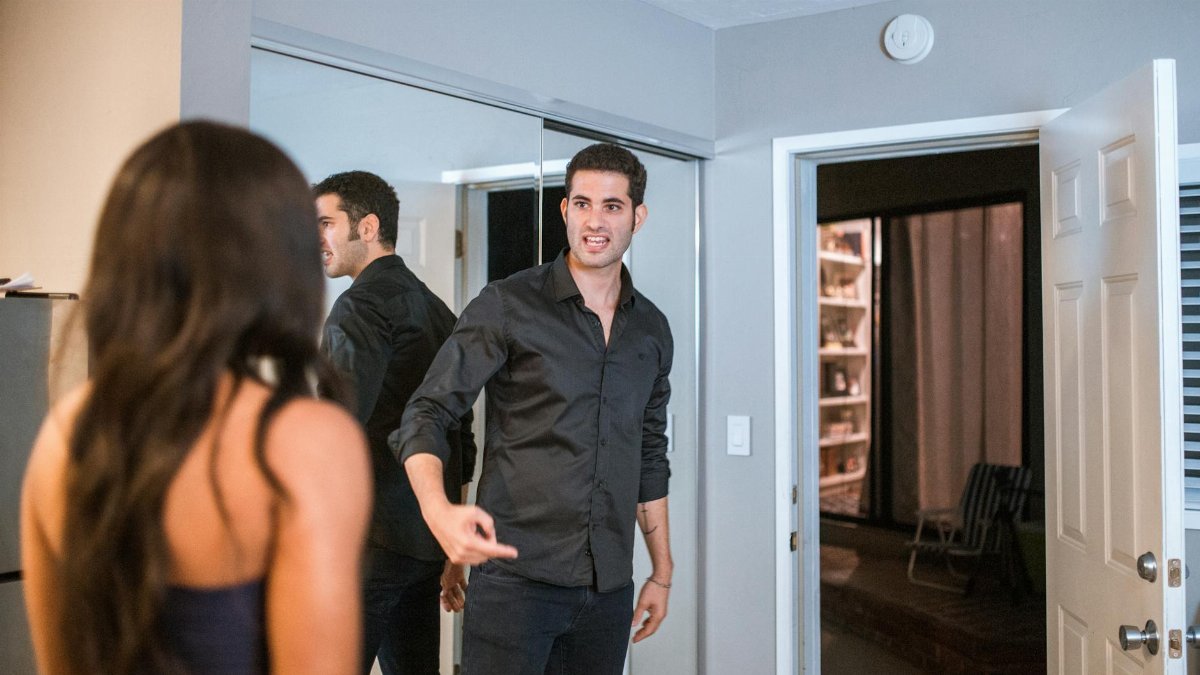
Sunlight filtered through a cozy coffee shop window in Portland, Oregon, as a small group of friends debated a familiar issue over steaming mugs. One woman recounted a recent argument with her partner, swearing she’d reminded him about a family event weeks ago. Her friend raised an eyebrow, suggesting maybe the memory wasn’t as clear as she thought. Laughter followed, but the tension lingered. This scene, so ordinary, hints at a deeper dynamic playing out in homes across the country: the perception gap in couples. It’s that frustrating divide where two people recall the same event—or conversation—differently, often leading to heated disputes. For many, these memory errors aren’t just quirks; they’re fuel for misunderstanding. How does this gap form, and why does it seem to widen during arguments? The answers lie in the messy interplay of memory, emotion, and communication.
The Science Behind Memory Errors
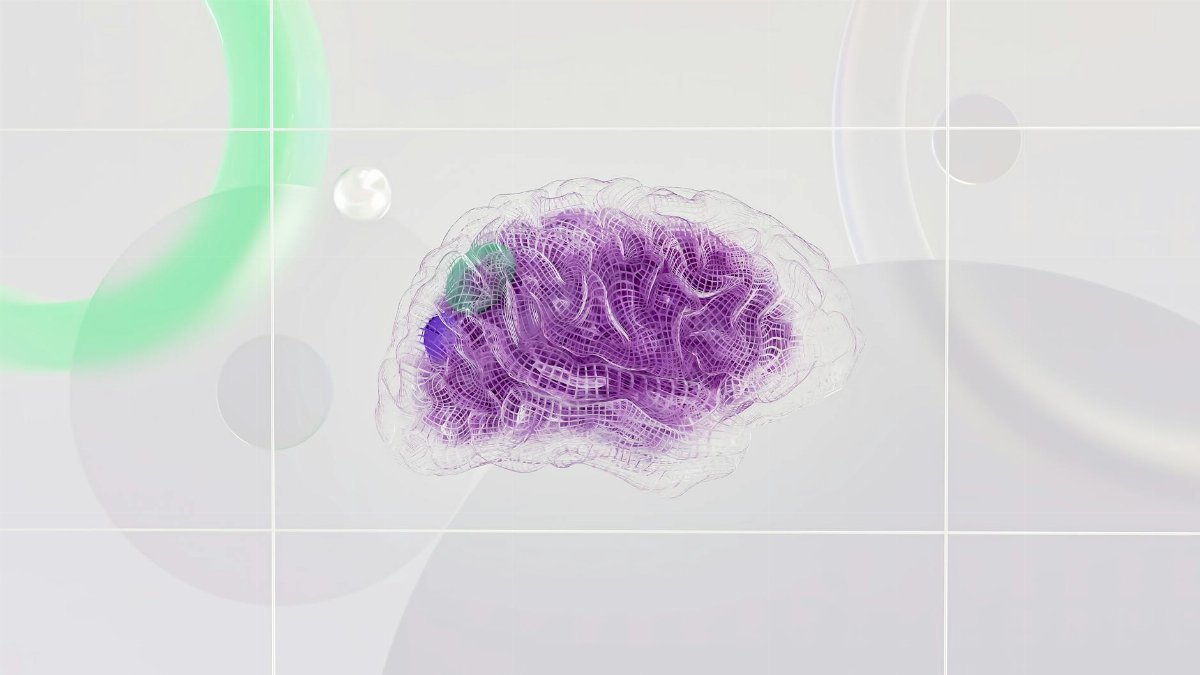
Memory isn’t a video recording. It’s more like a sketch, redrawn each time we recall it, often with smudges and missing details. Research from the American Psychological Association explains that memory is reconstructive, shaped by emotions, biases, and even later events. For couples, this means a disagreement about who said what during a tense moment isn’t just stubbornness—it’s often biology. When stress spikes, as it does in arguments, the brain prioritizes emotional impact over precise details. A harsh tone might stick, but the exact words? They blur.
Consider a classic scenario: one partner remembers a promise to take out the trash as a firm commitment, while the other recalls it as a casual “maybe.” Studies, like those summarized by National Institutes of Health, show stress hormones like cortisol can distort memory encoding. Add in confirmation bias—where we recall details that support our feelings—and the perception gap in couples grows wider. Neither person is lying. They’re just sketching different pictures.
Emotion as a Memory Filter
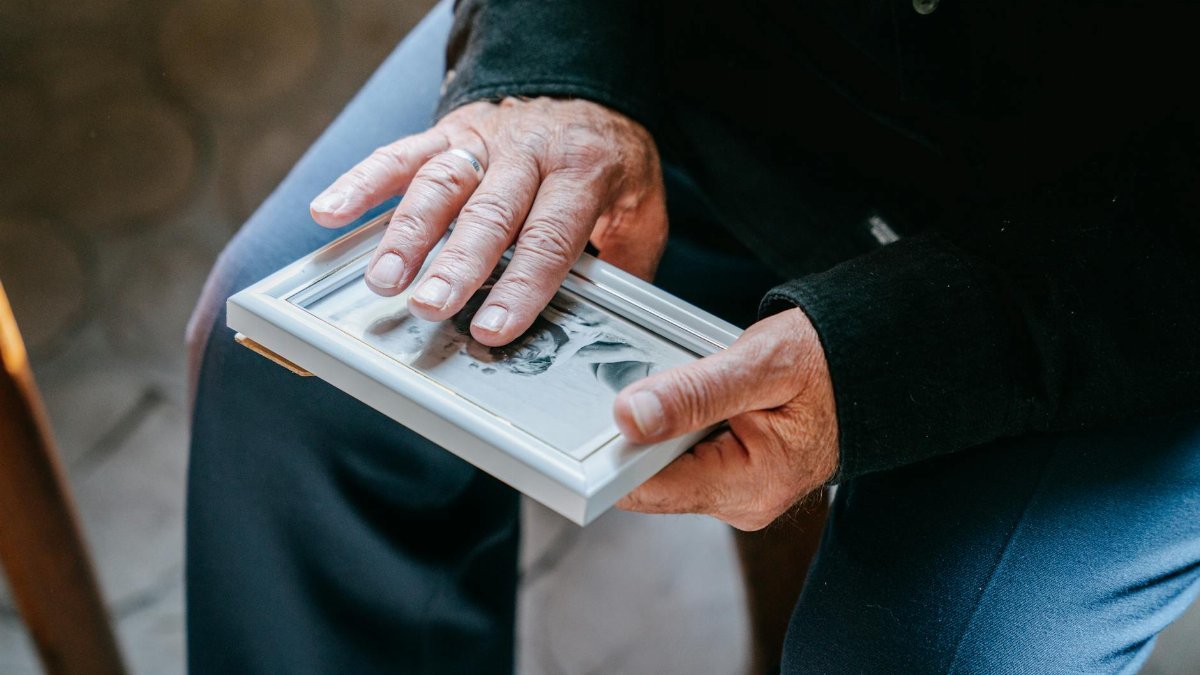
Ever notice how a fight feels more vivid than a quiet chat? That’s emotion acting as a highlighter. According to research from Harvard University, emotionally charged events are more likely to stick in our minds, but not always accurately. For perception gap couples, this means an argument about forgotten groceries might loom larger for one partner if they felt dismissed, while the other barely registers the exchange. The emotional weight warps the memory’s shape.
Picture a late-night spat. One partner, hurt by a perceived slight, fixates on a single cutting remark. Days later, they replay it with added venom that wasn’t there. The other, less rattled at the time, remembers a milder tone. Neither recollection is “wrong,” but the emotional filter creates two separate truths. Over time, these skewed memories stack up, turning small slights into towering grudges.
Communication Styles and Misrecall

Not everyone processes conversations the same way. Some latch onto specifics—dates, times, exact phrasing—while others absorb the general vibe. For perception gap couples, these differences in communication style can distort shared memories. One partner might swear a discussion about vacation plans ended with a decision, while the other recalls it as just brainstorming. The mismatch isn’t malice; it’s wiring.
A friend once shared a story about planning a weekend getaway with her spouse. She’s a detail-oriented planner, mentally logging every suggestion as a commitment. He’s more go-with-the-flow, assuming nothing’s final until it’s booked. Weeks later, an argument erupted over “agreed-upon” dates that only existed in her memory. Such gaps aren’t rare. They reflect how individual habits of listening and recalling carve separate paths through the same moment.
The Role of Time in Widening the Divide

Time doesn’t heal all wounds—it can twist them. The longer it’s been since an event, the more likely memories diverge. A study highlighted by Pew Research Center notes that memory fades unevenly, often filling gaps with assumptions or later emotions. For couples, a disagreement from last month might feel like ancient history to one, while the other clings to a vivid, if altered, version.
This plays out in subtle ways. A forgotten anniversary apology might seem sincere in the moment but, over weeks, morph into “not good enough” in one partner’s mind. The other, meanwhile, assumes the issue’s long buried. Time lets these perception gaps fester, turning resolvable misunderstandings into stubborn points of contention. What started as a minor oversight becomes a symbol of neglect, all because memory didn’t hold the line.
Why Arguments Amplify the Gap
Arguments are memory’s perfect storm. Heightened emotions, rapid exchanges, and the urge to defend oneself create a fog where details get lost. One partner might focus on a raised voice, the other on a specific accusation. Later, when tempers cool, their accounts of the fight rarely align. It’s not just about who’s right— it’s about what each brain chose to store.
Online discussions often reveal how raw this feels. One anonymous account described a blowup over chores, with the writer insisting their partner had agreed to help, only to be met with blank denial. “It’s like we’re living in parallel universes,” they vented. That sense of disconnect isn’t uncommon. Arguments don’t just expose the perception gap in couples; they stretch it, making mutual understanding feel like a distant goal.
Bridging the Perception Gap

So, how do couples narrow this divide? It starts with acknowledging that memory isn’t infallible. Accepting that both perspectives, however different, can hold pieces of truth shifts the focus from winning to understanding. Some therapists suggest a simple tactic: during a calm moment, revisit a past argument together. Each person shares their recollection without interruption. The goal isn’t to prove a point but to see where memories split.
Another approach is real-time clarity. When a tense topic arises, pause to confirm what’s being said. A quick “So, you’re saying X, right?” can prevent misrecall down the line. It’s not foolproof, but it builds a shared baseline. Over time, these habits can shrink the perception gap, turning “he said, she said” into a chance for connection rather than conflict.
The Bigger Picture of Trust

Beyond individual spats, the perception gap in couples touches on trust. If memories clash often, doubt creeps in. Was that promise real? Did they mean what they said? Left unchecked, these questions erode the foundation of intimacy. But there’s another side: navigating memory errors can also strengthen bonds. Couples who learn to laugh at their mismatched recalls—or at least discuss them openly—often report feeling closer.
Think of a long-married pair swapping stories at a dinner table. One insists their first date was at a diner; the other swears it was a park. They bicker, then grin, because the detail matters less than the shared history. For perception gap couples in 2025, embracing this imperfection might be the key. Memory may falter, but mutual goodwill can fill the cracks. It’s not about perfect recall—it’s about choosing to meet halfway.

Natasha is the heart of our exploration into conscious connection. Applying principles from multiple counseling courses in her own life, she guides you to cultivate stronger, more joyful bonds.
Disclaimer
The content on this post is for informational purposes only. It is not intended as a substitute for professional health or financial advice. Always seek the guidance of a qualified professional with any questions you may have regarding your health or finances. All information is provided by FulfilledHumans.com (a brand of EgoEase LLC) and is not guaranteed to be complete, accurate, or reliable.