

Imagine a late afternoon in a quiet coffee shop, where a small group of friends huddles over steaming mugs. One of them, visibly tense, mutters about a looming work deadline, spiraling into worst-case scenarios. Another leans in with a suggestion: “What if you pictured yourself looking back on this a year from now? Would it still feel this heavy?” That simple question hints at a powerful concept—temporal distancing—a strategy to ease the grip of catastrophic thinking. For many Americans grappling with temporal distancing anxiety, the challenge isn’t just imagining the future; it’s the unease of stepping outside the present to gain perspective. This mental shift, though, could be a lifeline in a world where stress often feels inescapable. As research and lived experiences show, creating distance from today’s worries might just help us see tomorrow with clearer eyes.
Unpacking Temporal Distancing: A Mental Time Machine
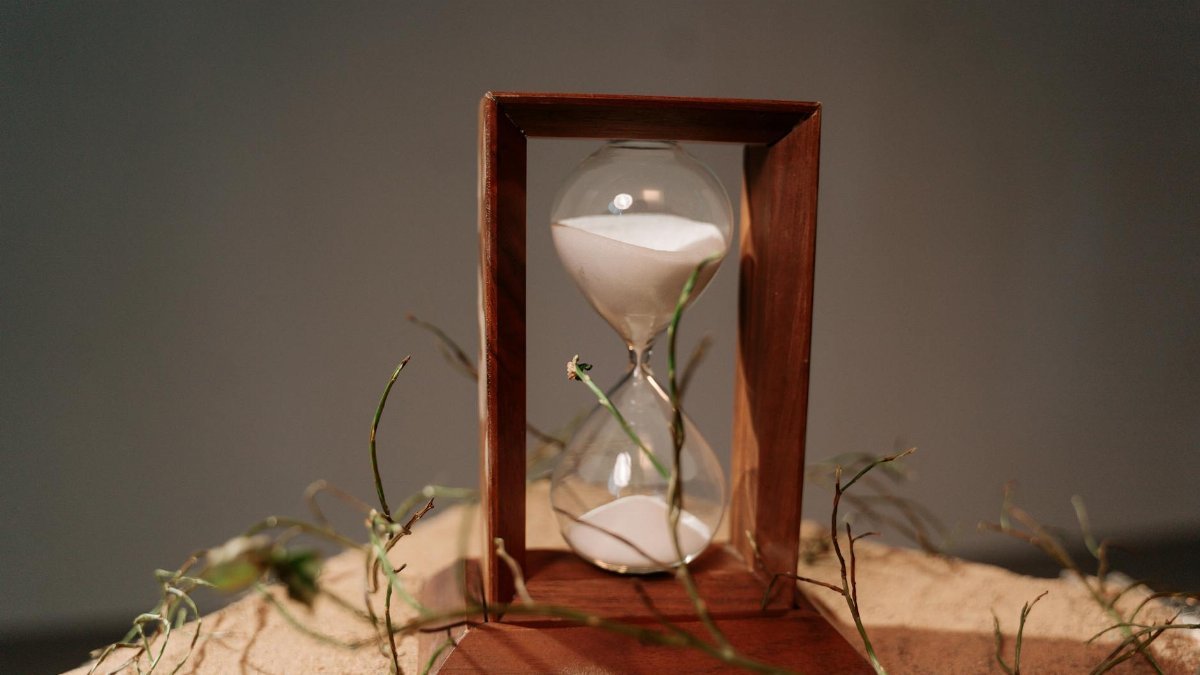
Temporal distancing is a cognitive tool, often used in therapy, to help individuals view their current stressors as if from a future vantage point. Think of it as stepping into a mental time machine. By imagining how a problem might look months or years down the line, the emotional sting of the moment can soften. This isn’t about ignoring reality but reframing it. For those wrestling with temporal distancing anxiety, however, the act of projecting forward can itself spark unease—will the future be worse? Will I regret today’s choices? These questions can loop endlessly, trapping people in a cycle of worry rather than offering relief.
Research from institutions like the University of California, Berkeley, underscores the potential of this technique. A study published in the American Psychological Association’s journal Emotion found that temporal distancing can significantly reduce acute stress responses by helping individuals adopt a broader perspective. Yet, for some, the very idea of “looking back” feels like a gamble, stirring anxiety instead of calm. It’s a paradox worth exploring.
The Weight of Temporal Distancing Anxiety
Why does temporal distancing sometimes backfire? The anxiety tied to it often stems from uncertainty about the future. When someone is already prone to catastrophic thinking—imagining the worst possible outcomes—asking them to project forward can amplify fears. A person might think, “What if I look back and see I’ve failed?” This isn’t just hypothetical. A 2020 report from the National Institute of Mental Health notes that anxiety disorders affect over 30% of U.S. adults at some point, with many citing future-oriented worries as a trigger.
Consider a young professional in Chicago, staring at a laptop late at night, dreading a project review. The thought of viewing this moment from a year ahead doesn’t soothe; it spirals into visions of career ruin. Temporal distancing anxiety, in this sense, isn’t just about time—it’s about the stories we tell ourselves when we leap across it. The challenge lies in breaking that narrative loop.
How Catastrophic Thinking Fuels the Fire

Catastrophic thinking is the engine behind much of this struggle. It’s the mind’s habit of inflating small setbacks into disasters. A missed deadline becomes unemployment; a disagreement signals a broken relationship. For those caught in this pattern, temporal distancing can feel like a double-edged sword. The intent is to shrink today’s problem, but the mind races to magnify future fallout instead. A 2019 study by researchers at Stanford University highlighted how overgeneralization in thinking patterns often worsens anxiety, making mental time travel a risky endeavor for some.
This isn’t abstract. Picture a parent in suburban Ohio, fretting over a child’s poor report card. They try to imagine looking back on this in five years, but instead, they see a future of academic failure and lost opportunities. The anxiety isn’t just about now; it’s about a timeline they can’t control. That’s the crux of the issue—catastrophic thinking hijacks the very tool meant to help.
Reframing the Future: Practical Steps to Ease Anxiety

So, how can temporal distancing work without triggering anxiety? One approach is to start small. Instead of jumping years ahead, try a week or a month. Ask, “Will this matter next Tuesday?” This shorter leap often feels safer, less laden with unknowns. Therapists also suggest pairing this with grounding techniques—deep breathing or focusing on a physical sensation—to anchor oneself before projecting forward. The goal isn’t to predict the future but to loosen the grip of the present.
Another tactic is guided reflection. A friend recently shared how they jot down three possible outcomes for a worry—best, worst, and likely—then imagine revisiting those notes later. This structured approach can tame wild speculation. Resources from the Psychology Today database on cognitive behavioral therapy (CBT) emphasize that such exercises help rewire thought patterns over time. It’s not instant, but it builds a mental muscle.
The Role of Community in Bridging Time

Humans aren’t meant to navigate stress alone, and temporal distancing anxiety is no exception. Sharing worries with trusted friends or family can shift perspective without the internal spiral. One person recalled a late-night chat with a sibling, venting about a financial misstep. The sibling’s response—“In a year, we’ll probably laugh about this over dinner”—acted as a shared temporal bridge, easing the burden. It wasn’t just imagination; it was connection.
Online discussions often reveal similar insights. One anonymous account described feeling paralyzed by future regrets until a group chat offered a collective “we’ve all been there” reassurance. That communal lens can make time feel less isolating. It’s not therapy, but it’s a reminder that others are mentally time-traveling too, often with the same doubts. Leaning on shared stories can lighten the load of looking ahead.
Balancing Perspective with Present Awareness
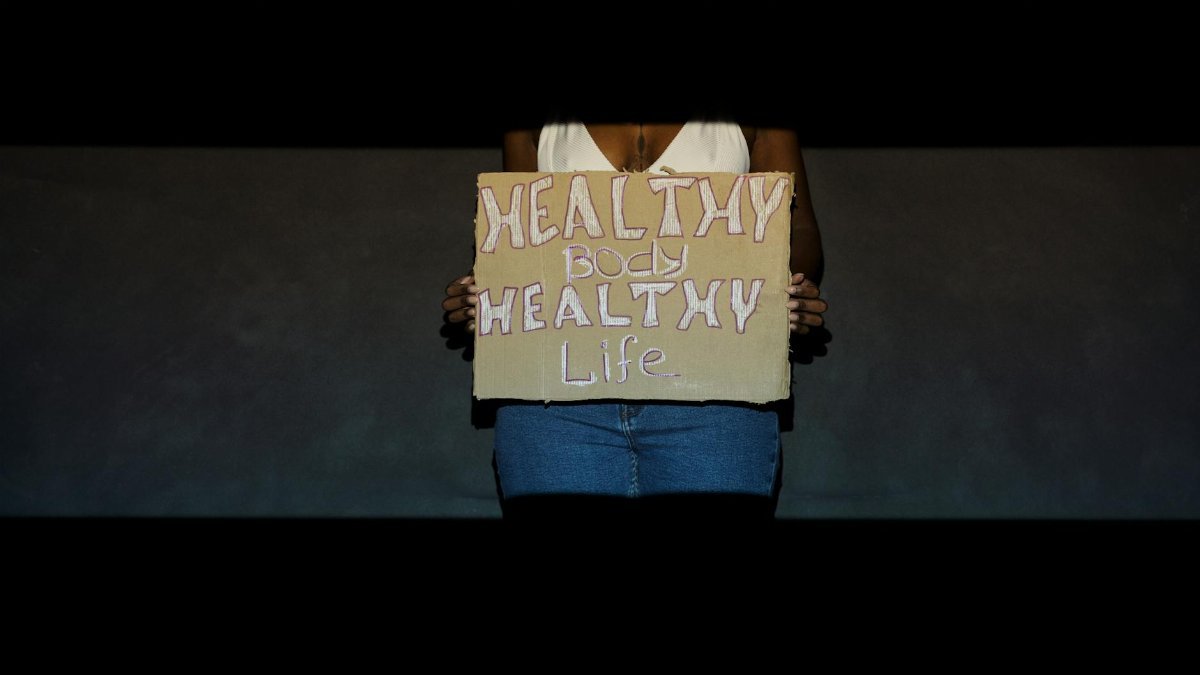
Temporal distancing isn’t a cure-all. It works best when balanced with staying grounded in today. Mindfulness practices—focusing on breath, sounds, or textures—can counteract the unease of future-gazing. A blend of the two creates a middle ground: acknowledging the present while gently testing the waters of perspective. For many in 2025, with stressors like economic uncertainty and digital overload, this hybrid approach feels more relevant than ever.
Consider a teacher in Atlanta, overwhelmed by a packed semester. They might pause to notice the weight of a pen in hand, the hum of a classroom, then briefly wonder how this chaos will look in hindsight. It’s not about escaping now but weaving now and later together. That interplay can dull the edge of temporal distancing anxiety, turning a mental leap into a softer step.
Long-Term Gains from Short-Term Shifts

Over time, practicing temporal distancing can reshape how we handle stress. It’s less about mastering the future and more about training the mind to see problems as temporary. The anxiety tied to this practice may never fully vanish, but it can shrink. Each small success—imagining a worry fading in a month, then seeing it actually fade—builds trust in the process. It’s slow, uneven work, but the payoff is a quieter mind.
For those still caught in catastrophic loops, the journey might start with a single question: What’s one thing I can let go of today, knowing it won’t define tomorrow? That’s not just temporal distancing; it’s a reclaiming of mental space. As more Americans wrestle with anxiety in various forms, finding tools to navigate time—without fear—remains a shared and vital pursuit.

A certified hypnotherapist, Reiki practitioner, sound healer, and MBCT trainer, Christopher guides our journey into the spiritual dimension, helping you tap into a deeper sense of peace and awareness.
Disclaimer
The content on this post is for informational purposes only. It is not intended as a substitute for professional health or financial advice. Always seek the guidance of a qualified professional with any questions you may have regarding your health or finances. All information is provided by FulfilledHumans.com (a brand of EgoEase LLC) and is not guaranteed to be complete, accurate, or reliable.