
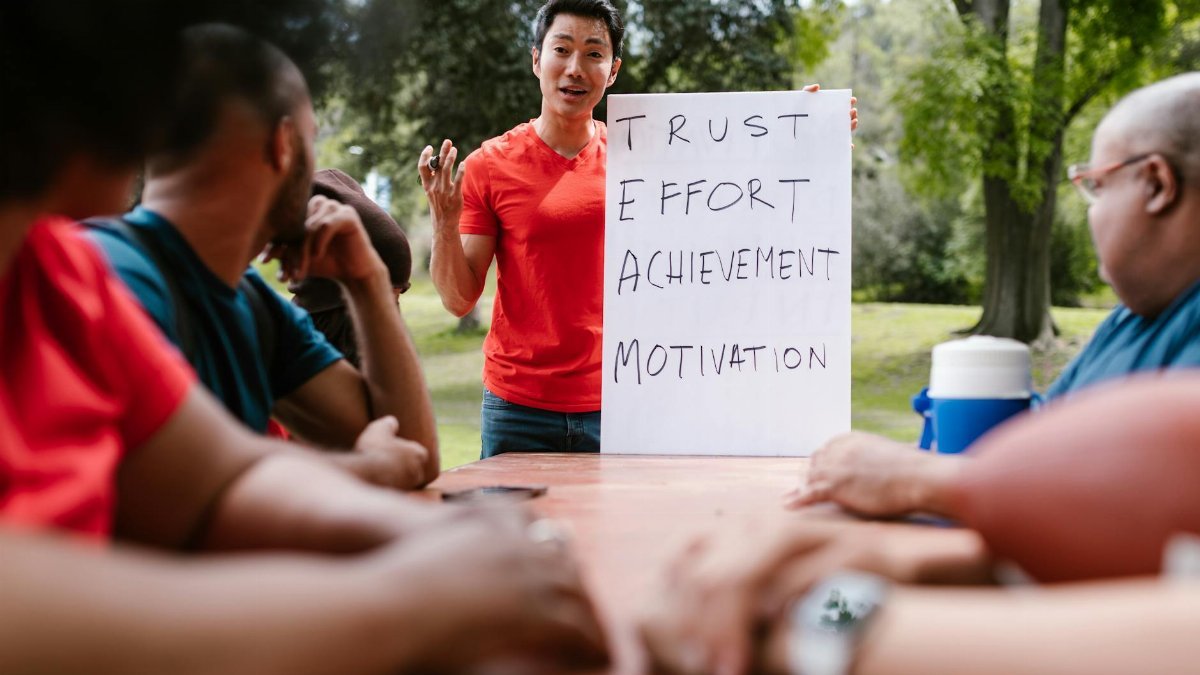
In a world where Zoom calls and Slack channels have replaced watercooler chats, the small, unspoken ways we connect matter more than ever. Think about the last virtual meeting you attended—did a quick nod or a genuine smile from a colleague make the distance feel a little less vast? These subtle actions, often overlooked, are the building blocks of what experts call micro gestures remote trust. They’re not grand declarations or lengthy speeches. Instead, they’re the fleeting, intentional signals that say, “I see you, I’m listening, I’m here.” As remote work continues to define professional life for millions of Americans in 2025, understanding and using these micro gestures can transform a scattered team into a cohesive unit. Trust, after all, isn’t built in sweeping gestures over video calls. It’s stitched together, pixel by pixel, in the smallest of moments.
1. The Power of a Simple Nod
A nod might seem trivial, but on a screen, it’s a lifeline. When someone speaks in a virtual meeting, a quick, visible nod shows acknowledgment. It’s a silent “I’m with you” that cuts through the digital void. Research from the Pew Research Center highlights how digital interactions often lack the warmth of in-person cues, making these small affirmations vital. Teams that actively use such gestures report feeling more connected, even across time zones. Picture a teammate pitching an idea—your nod isn’t just politeness; it’s a spark of validation.
2. Eye Contact Through the Camera

Looking into the camera, not at the screen, mimics real eye contact. It’s awkward at first. You’re staring at a tiny dot, not a face. Yet, this micro gesture signals focus and respect. A 2020 study from Stanford University found that sustained eye contact, even virtually, fosters a sense of closeness. Try it next time you’re on a call. Watch how the conversation shifts when others feel truly seen, despite the miles between.
3. A Genuine Smile, Not Forced

Smiles aren’t just for in-person charm. On video, a sincere smile—crinkling eyes and all—can soften the edges of a tough discussion. It’s not about grinning constantly. That feels fake. It’s about letting warmth show when it’s real. Teams with leaders who smile authentically during calls report higher morale, according to findings summarized by Harvard Business Review. A smile says, “We’re in this together,” without needing words.
4. Unmuting to Laugh Together
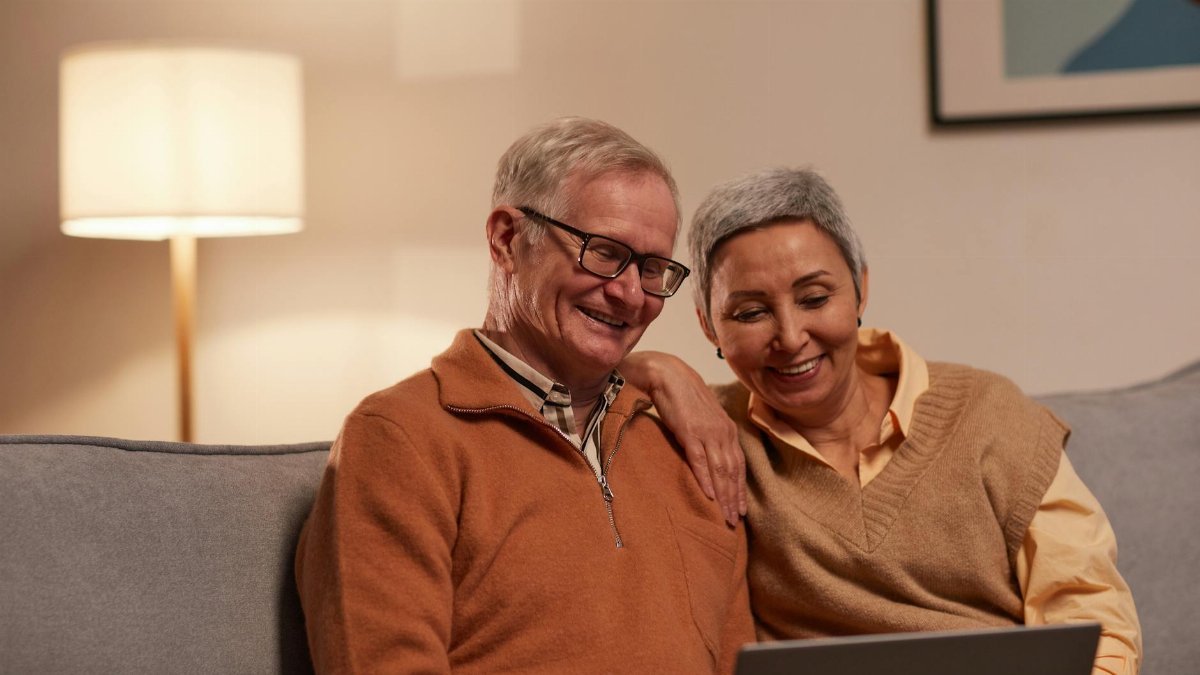
Laughter is contagious, even through a screen. Unmuting to share a chuckle at a light moment shows you’re engaged. It’s not just noise; it’s a bridge. One remote worker recalled a meeting where a shared laugh over a pet photobombing the call turned a stiff discussion into a bonding moment. These bursts of humanity remind everyone there’s life beyond the agenda. They weave trust into the fabric of a call.
5. Raising a Hand to Show Patience
In crowded virtual rooms, interruptions are common. Raising a hand—physically or via a platform feature—signals you’re waiting your turn. It’s a quiet respect for the speaker. This micro gesture curbs chaos and shows you value others’ voices. Teams that prioritize such order often build stronger rapport, as noted in remote work studies by Gallup. Patience, even in a small wave, speaks volumes.
6. Tilting Your Head to Show Curiosity
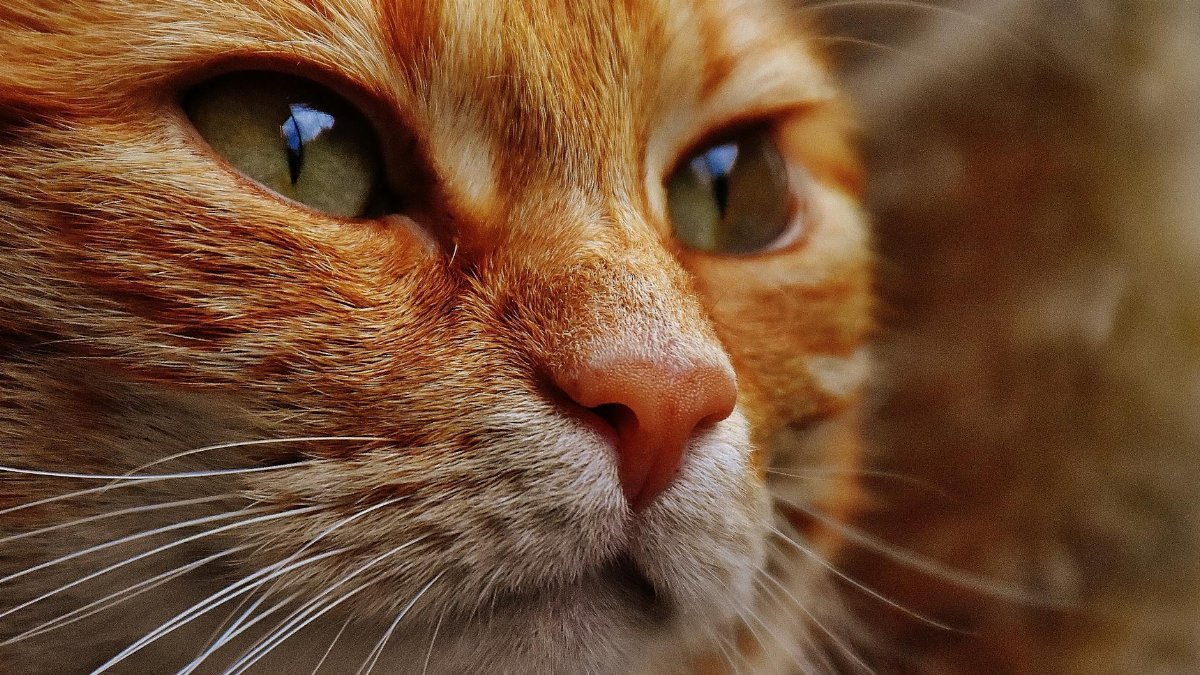
A slight head tilt while someone speaks suggests you’re intrigued. It’s subtle. It’s natural. On camera, it reads as active listening. This tiny move can make a teammate feel their idea isn’t just heard but considered. It’s a gesture that invites deeper dialogue, turning a monologue into a conversation. Over time, these signals stack up, creating a culture of curiosity.
7. Keeping Your Camera On

Turning on your camera isn’t just about visibility. It’s a commitment to presence. A blank screen feels like a wall; a face, even tired, feels human. While not always possible, opting for video when you can shows vulnerability and builds trust. Teams with higher camera usage often report better collaboration, per remote work analyses. It’s a micro gesture with macro impact.
8. A Quick Thumbs-Up for Agreement

A thumbs-up on camera—or via emoji in chat—offers instant affirmation. It’s a shorthand for “I’m on board.” In fast-paced discussions, this gesture keeps momentum without derailing focus. It’s especially useful in large meetings where speaking slots are tight. A simple gesture like this can make consensus feel collective, not forced.
9. Leaning In Slightly to Show Focus

Leaning toward the camera during key points mimics the body language of rapt attention. It’s not dramatic—just a subtle shift. On the other end, it reads as investment. When a manager leans in while you’re sharing a concern, the screen feels less like a barrier. This small move can turn a routine update into a moment of connection.
10. Mirroring Others’ Energy

If a teammate is animated, match their vibe with a lively nod or gesture. If they’re calm, dial back your own energy. This mirroring builds rapport without words. It’s a dance of sorts, aligning rhythms across digital space. Psychologists note that mirroring fosters empathy, a cornerstone of trust. On remote teams, it’s a quiet way to sync up.
11. A Brief Wave at Hello or Goodbye

Starting or ending a call with a small wave personalizes the interaction. It’s not just logging in or out; it’s acknowledging the humans on the other side. One remote team member shared how a leader’s consistent goodbye wave made meetings feel less transactional. It’s a micro gesture remote trust relies on to anchor relationships in warmth.
12. Pointing to Yourself for Accountability
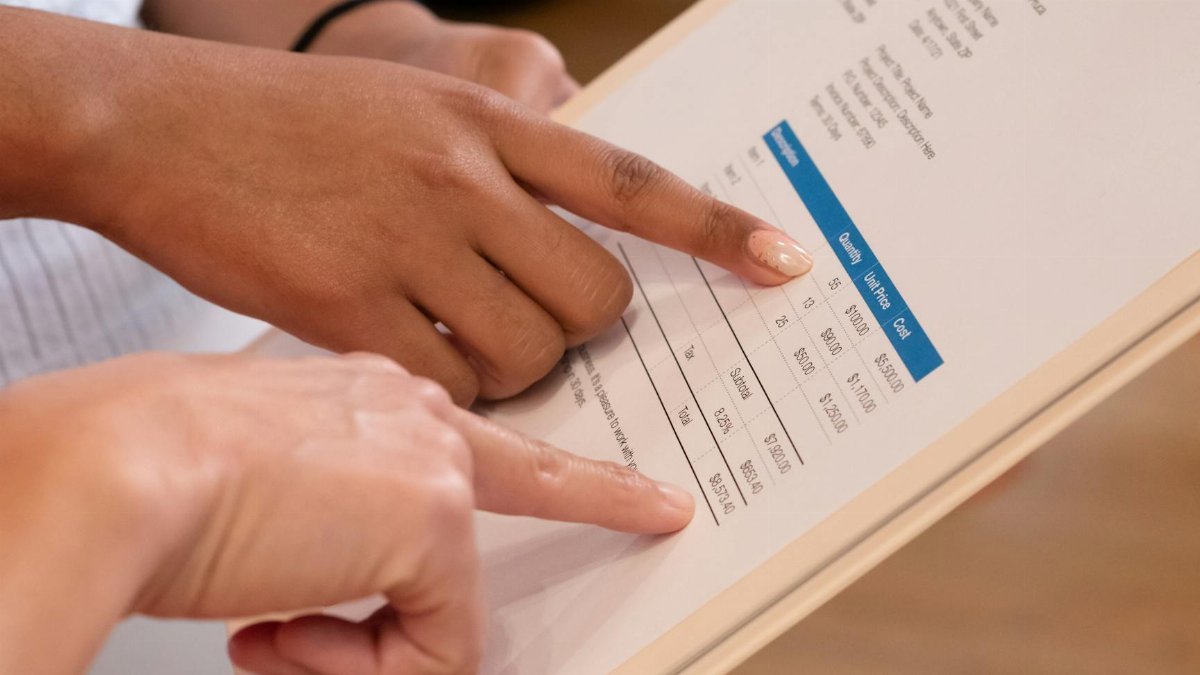
When taking ownership of a task or mistake, point to yourself on camera. It’s a visual “I’ve got this” or “That’s on me.” This gesture cuts through ambiguity, showing transparency. In remote settings, where tone can get lost, such clarity matters. It builds reliability, one pointed finger at a time.
13. Open Palms for Honesty

Showing open palms during a tough conversation signals openness. It’s a universal sign of “no hidden agenda.” On video, where mistrust can fester without physical cues, this gesture reassures. It’s not about overacting—just letting your hands rest naturally, visible, and relaxed. Trust grows when barriers, even perceived ones, fall away.
14. A Pause Before Responding
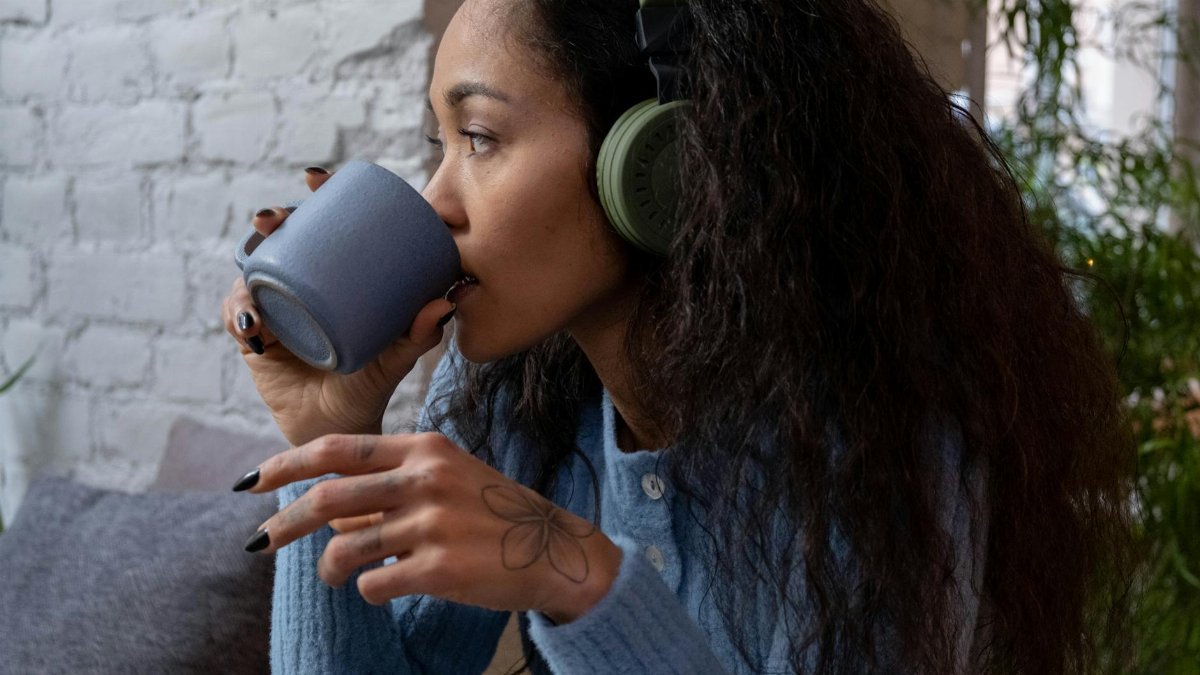
In virtual spaces, rushing to reply can feel dismissive. A brief pause—paired with a thoughtful look—shows you’re processing what’s been said. It’s a micro gesture remote trust needs to thrive. That moment of silence, coupled with a nod or smile, tells the speaker their words carry weight. It’s respect, distilled into a beat of quiet.
As remote work shapes the professional landscape in 2025, these 14 micro gestures offer a roadmap to trust. They’re not loud or flashy. They don’t require grand speeches or sweeping changes. Instead, they live in the margins of our virtual interactions—nods, smiles, pauses, waves. Yet, their impact is anything but small. Across screens and time zones, they remind us that connection doesn’t need proximity. It needs intention. So, the next time you log into a call, consider the tiny ways you show up. Those fleeting gestures might just be the glue holding your team together.

Natasha is the heart of our exploration into conscious connection. Applying principles from multiple counseling courses in her own life, she guides you to cultivate stronger, more joyful bonds.
Disclaimer
The content on this post is for informational purposes only. It is not intended as a substitute for professional health or financial advice. Always seek the guidance of a qualified professional with any questions you may have regarding your health or finances. All information is provided by FulfilledHumans.com (a brand of EgoEase LLC) and is not guaranteed to be complete, accurate, or reliable.