

Is social jetlag family really tearing at the fabric of weekend bonding? For many U.S. households, the clash of late-night scrolling and early school alarms creates a sleep mismatch that disrupts family harmony. Known as social jetlag, this phenomenon—where weekend sleep schedules veer wildly from weekday routines—can fuel irritability, stress, and disconnectedness. With families already juggling packed schedules in 2025, the hidden toll of inconsistent rest is becoming impossible to ignore. Here’s how this sleep struggle plays out and what can be done to reclaim those precious weekend moments.
What Is Social Jetlag in a Family Context?

Social jetlag refers to the misalignment between our body’s natural sleep rhythms and the schedules we keep, often due to social or work demands. For families, this means parents staying up late on weekends while kids stick to early bedtimes—or vice versa. The result? A household out of sync, where no one’s rested enough to enjoy shared time. Research from the National Sleep Foundation highlights how this disrupts mood and communication, turning family downtime into a battleground.
Why Weekends Amplify the Problem

Weekends should be for recharging, but they often worsen social jetlag in families. Parents might binge-watch shows until midnight, while teens sleep in past noon. Meanwhile, younger kids wake at dawn, ready to play. This staggered rest creates a domino effect—everyone’s cranky, and plans like family breakfasts fall apart. Studies show that even a two-hour shift in sleep timing can mimic the effects of actual jetlag, leaving bodies and minds scrambled.
The Emotional Toll on Family Bonds

When sleep schedules clash, emotions run high. Tired parents snap more easily, and exhausted kids struggle with focus or behavior. A 2021 study from the University of Colorado Boulder found that inconsistent sleep patterns in households correlate with higher stress and reduced family cohesion. ( University of Colorado Boulder News ) Shared activities, from game nights to outings, suffer when no one’s on the same page—or even awake at the same time.
Health Risks Beyond Just Feeling Tired

Social jetlag family issues aren’t just about grumpiness—they pose real health risks. Chronic sleep misalignment is linked to weight gain, weakened immunity, and even anxiety in both kids and adults. The Centers for Disease Control and Prevention (CDC) notes that poor sleep habits contribute to long-term issues like obesity and depression, especially when routines vary wildly between weekdays and weekends. ( CDC Sleep and Chronic Disease ) For families, this is a wake-up call to prioritize consistency.
How School and Work Schedules Clash
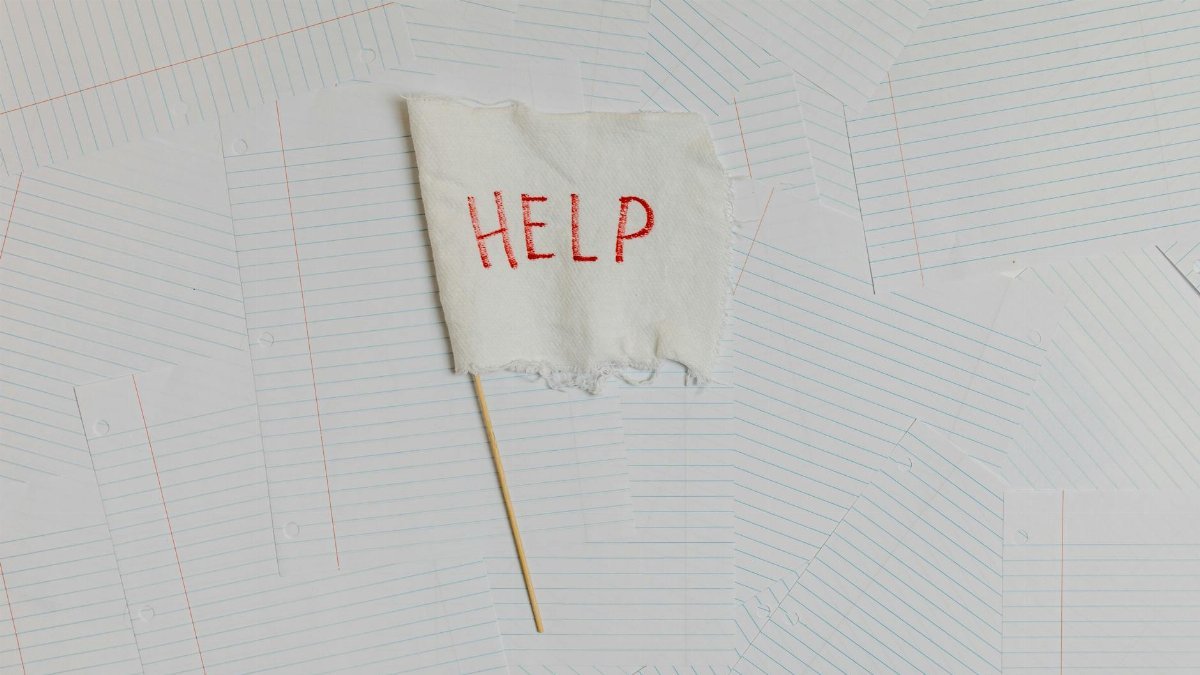
Family members often operate on conflicting timetables. Teens’ biological clocks naturally shift later, craving sleep until mid-morning, while parents face early work calls. Younger kids, wired to rise with the sun, throw another wrench into the mix. This mismatch peaks on weekends when everyone tries to “catch up” on rest at different times. The result is a fractured household rhythm that makes synchronized family time nearly impossible without deliberate effort.
Practical Fixes for Sleep Harmony

Fixing social jetlag in families starts with small, actionable steps. Set a household “wind-down” time, even on weekends, where screens go off and lights dim. Aim to keep bedtime and wake-up times within a one-hour window of weekday routines. Encourage morning sunlight exposure to reset everyone’s internal clocks. These tweaks won’t solve everything overnight, but they can reduce the chaos and help family members feel more in tune.
Setting Realistic Expectations in 2025

With hybrid work and school schedules still evolving in 2025, families must adapt to new pressures on their time. Don’t expect perfection—aim for progress. Start by picking one weekend to test a unified sleep schedule and adjust from there. Open conversations about everyone’s needs, from a teen’s late-night habits to a toddler’s early wake-ups, can also prevent resentment. The goal isn’t rigid rules but a shared commitment to rest and connection.
Seeking Outside Support When Needed

If sleep struggles persist, consider professional help. Sleep consultants or family therapists can offer tailored advice for syncing schedules. Pediatricians can also guide parents on age-appropriate bedtimes for kids. For adults, apps or wearable devices tracking sleep patterns might reveal hidden issues. While not every family needs intervention, recognizing when social jetlag is more than a passing annoyance can save relationships—and sanity—down the line.

Natasha is the heart of our exploration into conscious connection. Applying principles from multiple counseling courses in her own life, she guides you to cultivate stronger, more joyful bonds.
Disclaimer
The content on this post is for informational purposes only. It is not intended as a substitute for professional health or financial advice. Always seek the guidance of a qualified professional with any questions you may have regarding your health or finances. All information is provided by FulfilledHumans.com (a brand of EgoEase LLC) and is not guaranteed to be complete, accurate, or reliable.