

In neighborhoods from Portland to Pittsburgh, backyard gardens have evolved from quiet hobbies into bustling mini-enterprises. Shoppers at farmers markets cradle baskets of heirloom tomatoes and fresh basil, often grown just blocks away. This shift underscores a broader trend: more Americans turning to gardening side gig tips amid rising costs and a desire for flexible income. A recent USDA report notes that farmers markets have ballooned to over 8,600 nationwide, up from 1,755 in 1994, fueled by home growers selling surplus produce. What was once a weekend pursuit now supplements paychecks, offering low startup costs and community connections. Yet success demands strategy. From crop selection to market savvy, these nine practical tips reveal how hobbyists can cultivate real revenue without quitting their day jobs.
Assess Your Space Realistically

Maria tended a modest 10-by-10-foot plot behind her Denver rowhouse. She started by mapping sunlight patterns and soil quality, using a simple pH test kit from the hardware store. Many overlook this step, planting ambitious rows that wither in shade. Begin with what your yard—or balcony—naturally supports. Urban gardeners often thrive on vertical space: trellises for cukes, hanging pots for herbs. Test soil via your local cooperative extension service; results guide amendments like compost. This foundation prevents waste. One backyard grower shared how ignoring drainage turned her first zucchini crop to mush, costing weeks of effort. Measure twice, plant once. Sustainable yields follow honest evaluation.
Pick Crops That Sell Fast
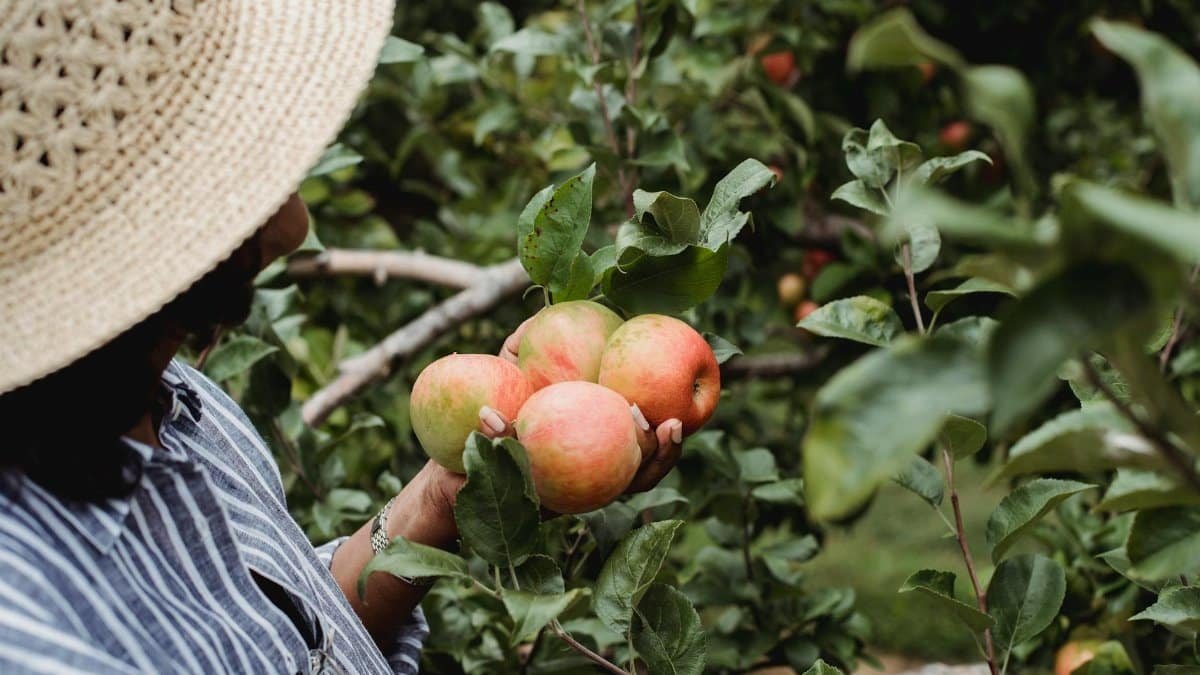
Not all veggies fetch top dollar. Focus on high-turnover items like microgreens, cherry tomatoes, or salad greens, which mature in 30 days. Data from the USDA Agricultural Marketing Service shows leafy greens dominate market stalls for their repeat buyers. Avoid long-season giants like pumpkins unless you have space. Experiment small: dedicate one bed to radishes, harvested in three weeks. Customers crave freshness, so prioritize what travels well in paper bags. A savvy seller in Austin rotates kale and arugula weekly, netting $200 per market day. Match demand to your climate—strawberries shine in milder zones, hot peppers elsewhere.
Master Low-Cost Propagation

Seed starting trumps buying seedlings. Scatter basil or lettuce seeds in egg cartons under grow lights for pennies. This scales output without big spends. Community workshops, often free at libraries, teach cuttings: snip mint stems, root in water, replant. One online account described propagating 50 tomato plants from saved seeds, slashing costs to under $10. Reuse pots, brew compost tea from kitchen scraps. Quality matters—healthy starts command premium prices. Track varieties in a notebook; heirlooms like Brandywine tomatoes draw enthusiasts willing to pay double. Propagation builds inventory steadily, turning hobbies into habits.
Scout Local Markets Early
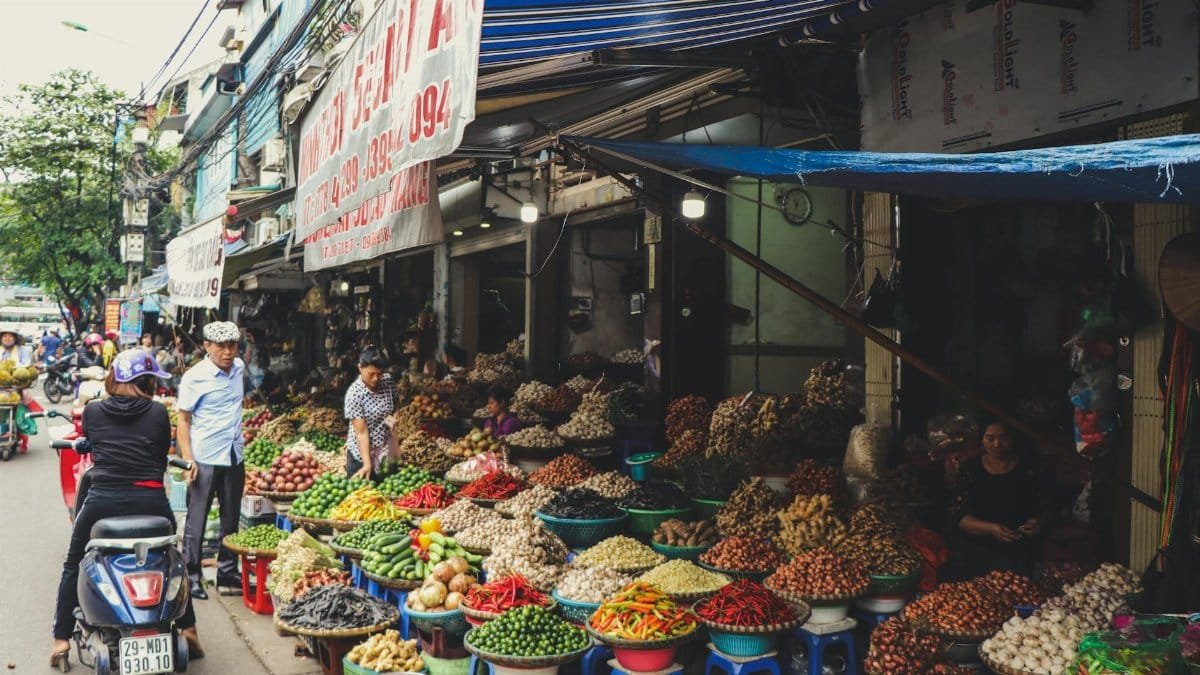
Arrival matters. Visit three nearby markets before committing. Note vendor mixes: saturated with carrots? Pivot to specialty scallions. Applications open seasonally; spots fill fast. The USDA Farmers Markets Directory lists options by zip code, complete with rules. Fees range $20 to $50 per day—budget accordingly. Chat with vendors; they share peak hours and buyer quirks. In Seattle, one newcomer arrived at 5 a.m., securing prime real estate that boosted first-day sales to $150. Build relationships; returning customers form loyalties.
Set Prices That Attract and Profit

Undercut grocery stores without underselling labor. Cherry tomatoes at $4 per pint beat supermarket $5 equivalents, factoring freshness. Survey stalls: average basil bunches go for $3. Add 20 percent markup on costs, then test. Signs work: “Organic, Homegrown—$2.50/lb.” Dynamic pricing helps—discount wilting lettuce end-of-day. Track earnings in a spreadsheet; aim for $15 hourly minimum. Taxes apply over $600 annually, per IRS guidelines in Publication 225 on Farmer’s Tax Guide. Balance volume and value for steady gigs.
Craft a Simple, Memorable Brand

No logo needed initially. Handwritten signs with your farm name—”Sunny Patch Produce”—suffice. Wear an apron emblazoned with it. Stories sell: “Grown in my backyard with love.” Photos of your garden on a free phone site draw followers. Consistent packaging—twine-tied bundles—builds recognition. A grower in rural Ohio parlayed Instagram glimpses into a 50-customer email list. Free tools like Canva design labels. Authenticity resonates; buyers trust faces over faceless carts. Brand subtly, let quality shine.
Navigate Rules and Regulations Smoothly

Home sales skirt commercial farms but check zoning. Many cities allow cottage food for non-perishables; produce often qualifies. Verify via county health departments. Liability insurance, around $200 yearly, covers mishaps. Labels list weights, origins. The CDFA Cottage Food Guidelines offer models, adaptable nationwide. One forum post recounted a $100 fine for unpermitted sales—avoid by applying early. Compliance frees focus on growth.
Scale Without Burning Out

Start solo, expand thoughtfully. First season: 50 pounds weekly. Success? Recruit family or hire neighborhood teens at $10/hour. Automate watering with soaker hoses. Rotate crops to sustain soil. Track metrics: sales per square foot. The National Gardening Association reports 35 million U.S. households garden, many eyeing side income per their gardening statistics page. Pause if stress mounts—sustainability trumps speed. Pivot to value-adds like herb salts once basics click.
Diversify for Year-Round Revenue

Markets wane in winter; counter with dried herbs, jams, or starts. Sell wreaths from clippings or compost bins. Online platforms connect off-season. Workshops—”Grow Your Own Salsa”—fetch $25 per head. Bundle: tomato plants with recipes. This cushions gaps, turning gigs perennial. A Midwest seller winters in seed packets, summer in salads. Flexibility defines winners. Gardening side gig tips evolve; adapt, thrive. Communities await your harvest.

A certified hypnotherapist, Reiki practitioner, sound healer, and MBCT trainer, Christopher guides our journey into the spiritual dimension, helping you tap into a deeper sense of peace and awareness.
Disclaimer
The content on this post is for informational purposes only. It is not intended as a substitute for professional health or financial advice. Always seek the guidance of a qualified professional with any questions you may have regarding your health or finances. All information is provided by FulfilledHumans.com (a brand of EgoEase LLC) and is not guaranteed to be complete, accurate, or reliable.