
In small towns and big cities alike across America, a quiet revival is underway. Neighbors gather in community centers, poring over faded photographs and yellowed documents. They trade stories of forgotten mills and pioneer trails. This surge in local history hobbies reflects a deeper hunger. Amid digital overload, people seek tangible ties to their surroundings. Participation in such pursuits has climbed steadily, with local historical societies reporting doubled memberships in recent years. These activities do more than fill weekends. They bridge past and present, fostering a sense of belonging in fragmented times.
Genealogy: Tracing Family Threads in Town Records
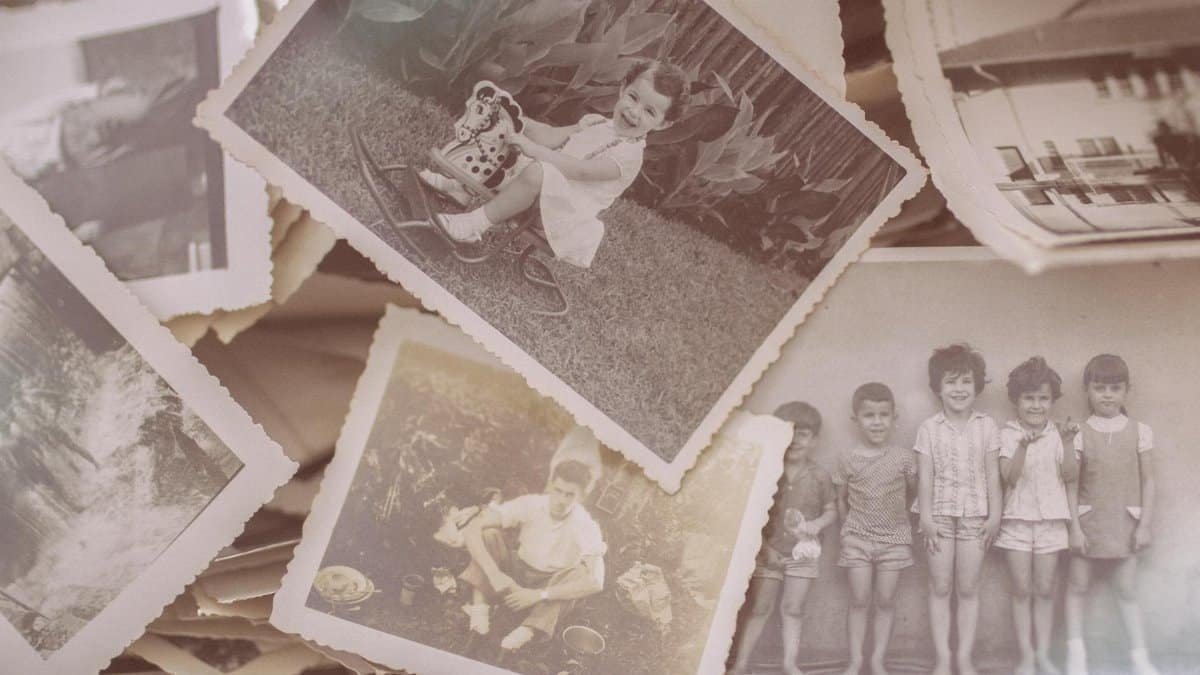
Dust gathers on courthouse ledgers in county seats from Maine to California. Yet hobbyists arrive weekly, flipping through birth certificates and land deeds. One enthusiast in rural Pennsylvania spent months piecing together a great-grandfather’s migration from Ellis Island. “It changed how I see this valley,” he shared. Genealogy stands as a cornerstone of local history hobbies. Beginners start free at public libraries. Advanced seekers subscribe to digitized archives. The payoff? Personal narratives that echo community lore. Tools like census data reveal patterns of migration and labor strikes long erased from textbooks.
Consider the ripple effects. Families reunite over shared discoveries. Local pride swells as hidden stories surface. A 2018 Pew Research analysis noted that 27% of Americans have researched their ancestry, often sparking deeper dives into regional pasts.Pew Research Center. No fancy equipment required. Just curiosity and persistence.
Historical Walking Tours: Steps Through Time
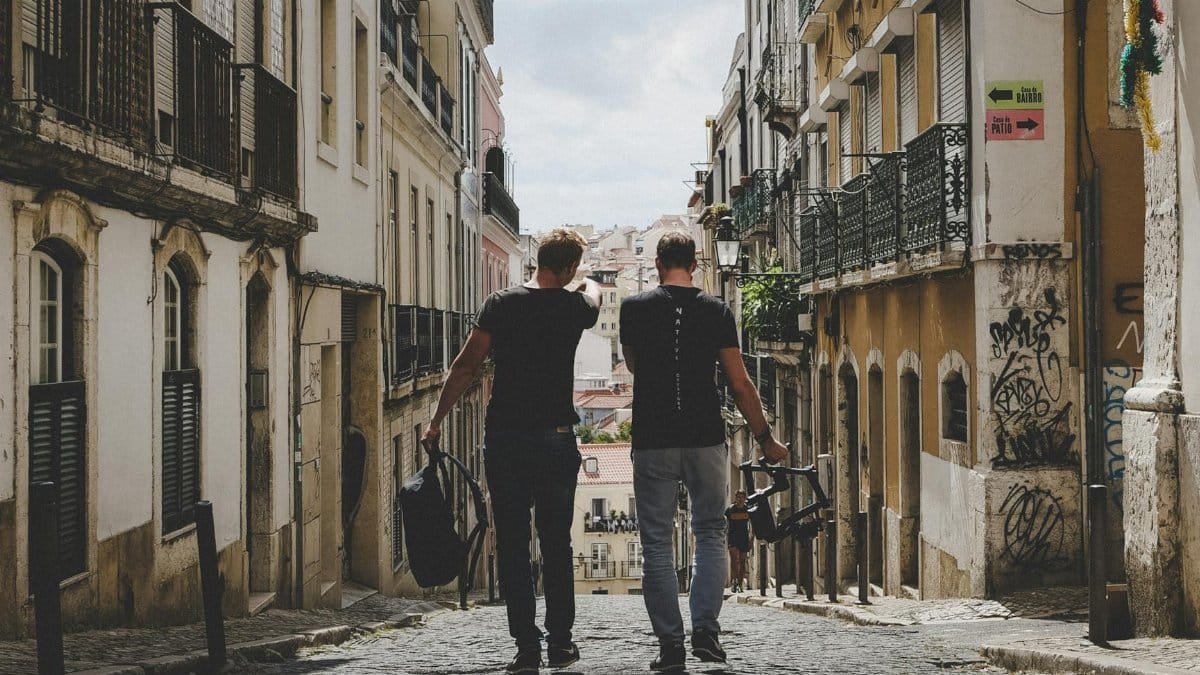
Footfalls echo on cracked sidewalks in places like Savannah or Santa Fe. Self-guided or led by volunteers, these tours transform ordinary streets into living museums. Participants pause at markers for the Underground Railroad or Prohibition-era speakeasies. In one Midwest city, a retiree mapped routes highlighting women’s suffrage rallies. She led groups, her voice rising over traffic. Local history hobbies thrive here. Apps like Clio provide free itineraries nationwide.
Why the appeal? Tours blend exercise with education. They spotlight overlooked chapters, from indigenous paths to industrial booms. Communities benefit too, as tours boost foot traffic to mom-and-pop shops. Vary the pace: dawn strolls for solitude, evening ones for lantern-lit drama.
Visiting Local Archives and Museums
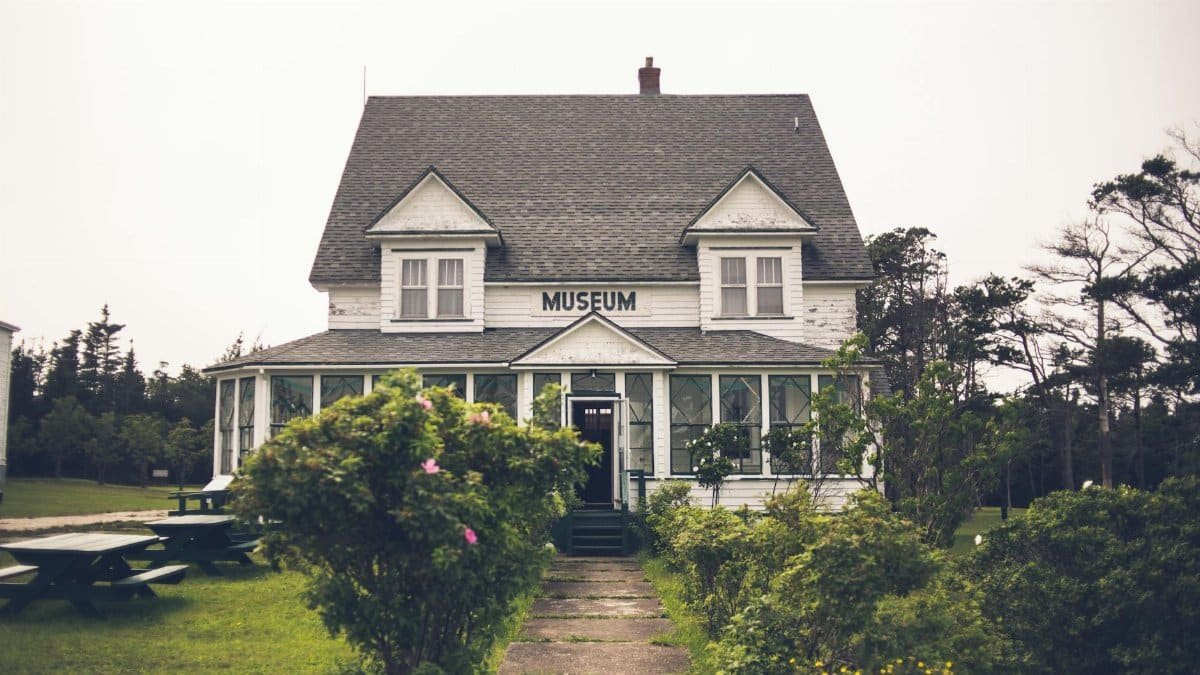
Behind unassuming doors, treasures await. Small-town museums house diaries from the Great Depression. Archives preserve plat maps showing vanished neighborhoods. A visitor in upstate New York uncovered letters from a Civil War soldier. “It felt like holding history,” she recalled. These spots anchor local history hobbies. Many offer free entry, with docents eager to share context.
Dig deeper with memberships. Attend lectures on artifact conservation. Digital catalogs expand access, letting hobbyists browse from home. The American Association for State and Local History tracks rising attendance, underscoring public interest.AASLH. Such visits cultivate stewardship. Volunteers emerge, cataloging collections for future generations.
Metal Detecting Forgotten Fields
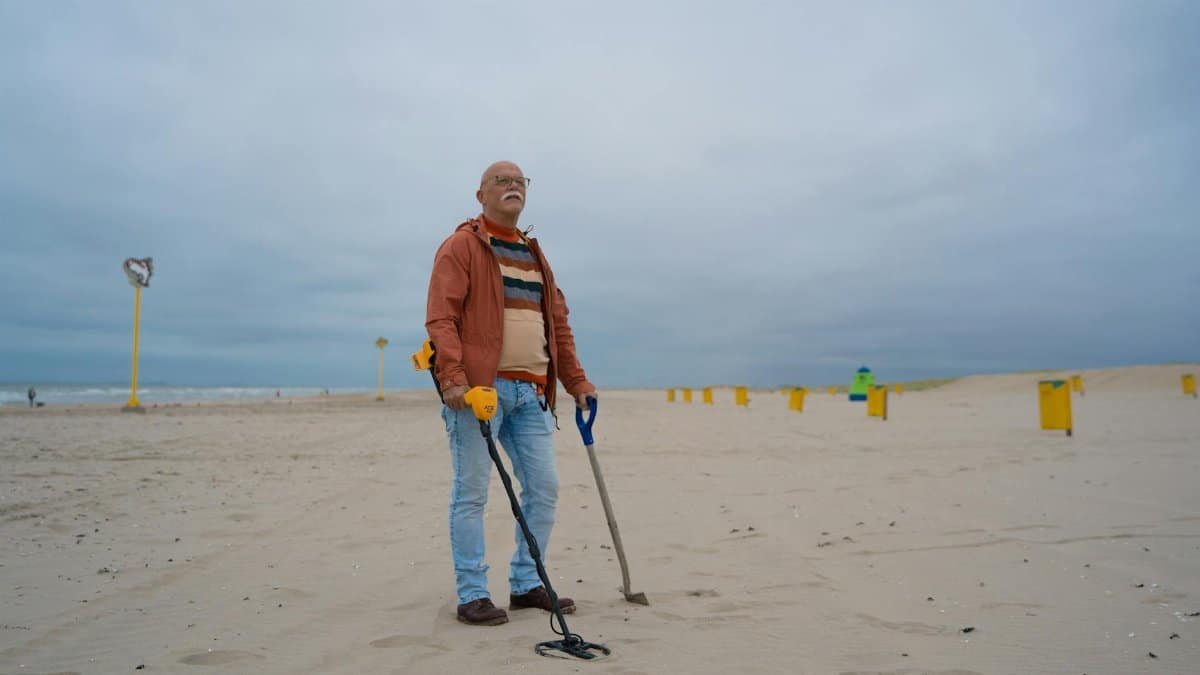
Beep. Dig. Unearth a 19th-century coin or button. Fields near old homesteads yield relics across the heartland. Permission from landowners key, hobbyists scour pastures post-plow. One finder in Texas pulled a Confederate buckle, linking to nearby battles. Thrill mixes with ethics: report significant finds to authorities.
Local history hobbies gain grit through this pursuit. Detectors start under $100. Research sites via old maps first. Clubs share tips, fostering camaraderie. Regulations vary by state, but the joy? Timeless. Artifacts whisper tales of daily life, from farmers’ tools to soldiers’ trinkets.
Reenacting Pivotal Local Events
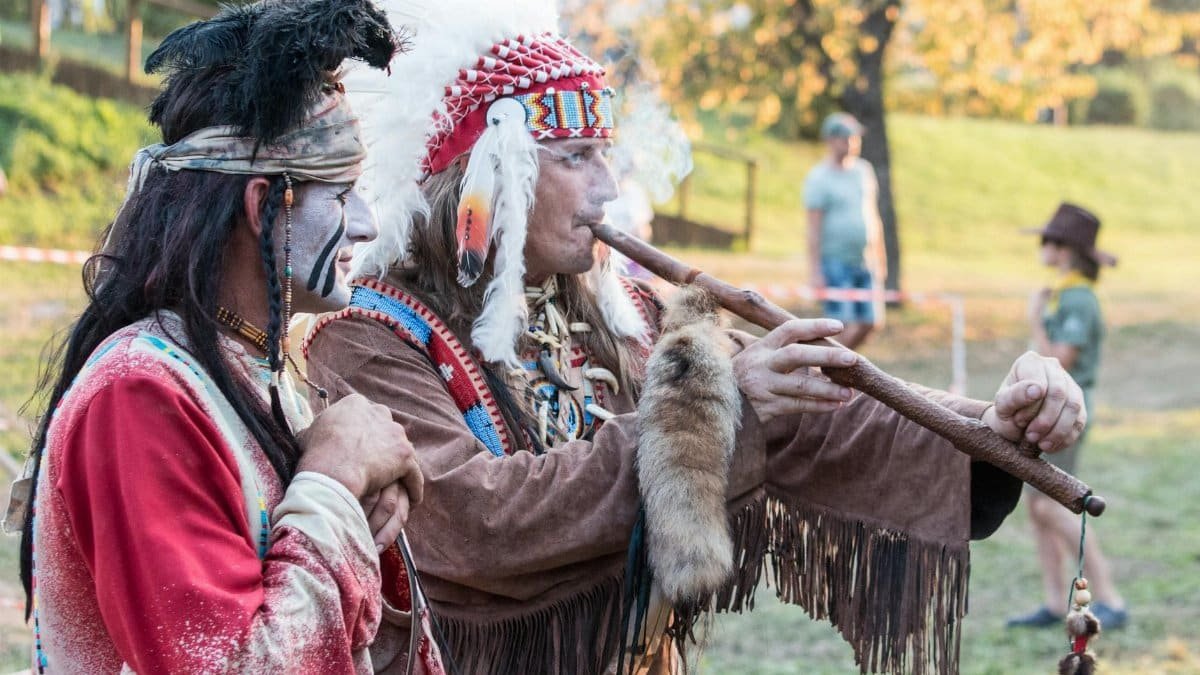
Drums beat. Muskets crack. In colonial villages or Civil War parks, reenactors embody the past. Annual musters draw crowds to skirmishes or founding ceremonies. A group in Virginia recreates a 1776 militia muster, uniforms sewn by hand. “You smell the powder, feel the tension,” one participant said.
These immersive local history hobbies demand commitment. Research uniforms, drill formations. Campsites buzz with period cooking. Benefits extend beyond spectacle: accurate portrayals preserve narratives. Join units via historical societies. The bond formed? Profound, turning hobbyists into ambassadors.
Collecting Vintage Postcards and Ephemera
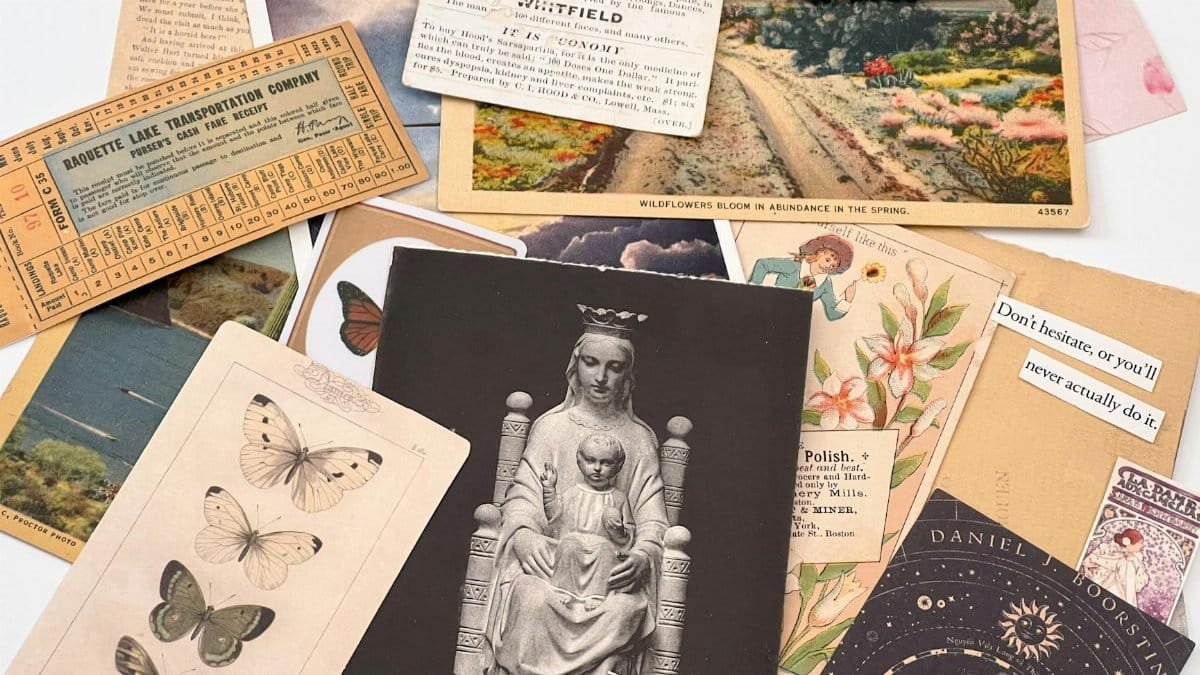
Glossy cards depict Main Streets before highways. Flea markets and online auctions overflow with them. Collectors in the Northeast snag views of trolley lines long scrapped. One album chronicled a mill town’s rise and fall. Affordable entry to local history hobbies.
Curate themes: disasters, celebrations, architecture. Frame displays spark conversations. Rarity drives value, but stories matter most. Trade at shows. Digitize for sharing. This tactile chase connects eras effortlessly.
Conducting Oral History Interviews

Microphone ready. Elders recount Dust Bowl migrations or factory shutdowns. In diners or living rooms, stories flow. A young hobbyist in the Rust Belt taped a union organizer’s tales. “Voices fade without this,” he noted. Pure local history hobbies, requiring only a recorder and questions.
Train via workshops. Transcribe for libraries. Themes emerge: resilience, change. Libraries of Congress resources guide preservation.Library of Congress Veterans History Project. Impact? Communities reclaim narratives, honoring unsung lives.
Growing Heirloom Plants from Regional Seeds
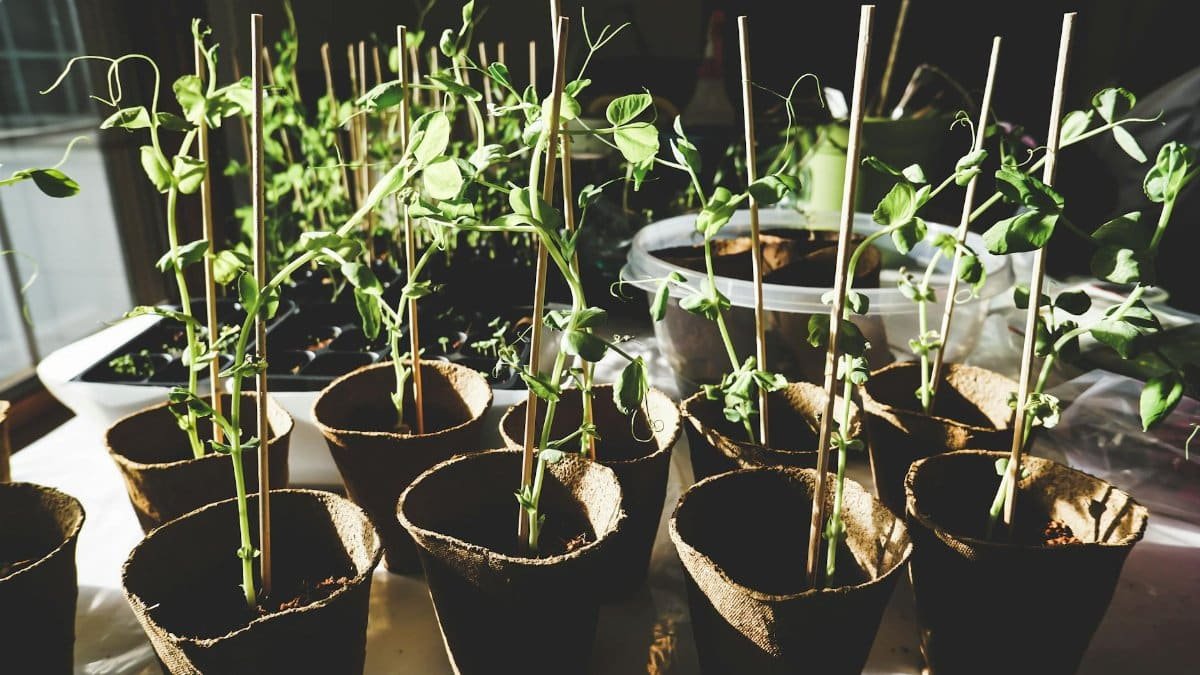
Soil turns under spades in backyard plots. Heirloom tomatoes from pioneer gardens thrive. Seed swaps at farmers’ markets revive crops tied to local farms. In the South, one gardener propagated cotton varieties from antebellum diaries. Sensory dive into local history hobbies.
Research seed savers exchanges. Companion plant with historical accuracy. Harvests yield tastes of yesteryear. Share surplus, extend the cycle. National Center for Food Documentation aids heirloom quests.National Center for Food & Agricultural Policy. Roots, literal and figurative, deepen.
Photographing Vanishing Historical Sites
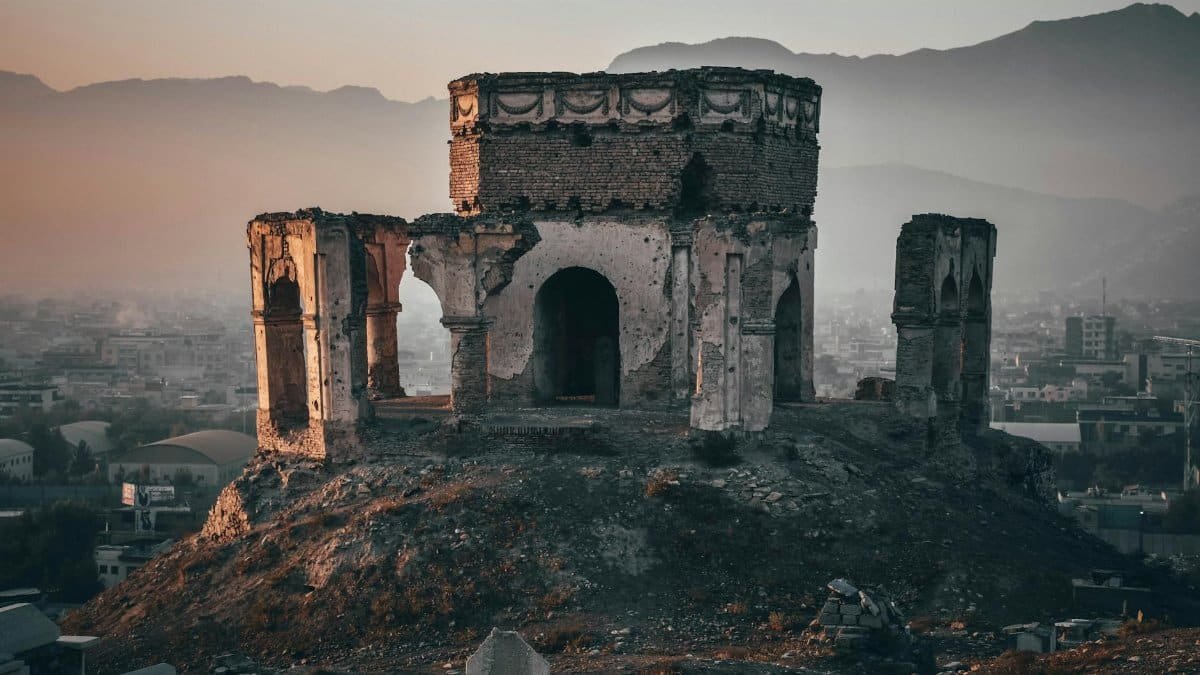
Shutter clicks capture sagging barns and ghost towns. Before-the-after series document decay. Photographers in the Southwest chase adobe ruins at golden hour. One series went viral locally, spurring preservation talks. Artistic angle on local history hobbies.
Gear up with DSLRs or phones. Study light, composition. Apps geolocate sites. Exhibit work at cafes. This visual chronicle fights forgetting. Collaborations with historians enrich captions.
As these pursuits gain traction, local history hobbies weave individuals into the cultural fabric. They counter isolation, ignite conversations. Communities strengthen when pasts are honored. Start small. One map, one interview. Connections await.

A certified hypnotherapist, Reiki practitioner, sound healer, and MBCT trainer, Christopher guides our journey into the spiritual dimension, helping you tap into a deeper sense of peace and awareness.
Disclaimer
The content on this post is for informational purposes only. It is not intended as a substitute for professional health or financial advice. Always seek the guidance of a qualified professional with any questions you may have regarding your health or finances. All information is provided by FulfilledHumans.com (a brand of EgoEase LLC) and is not guaranteed to be complete, accurate, or reliable.