
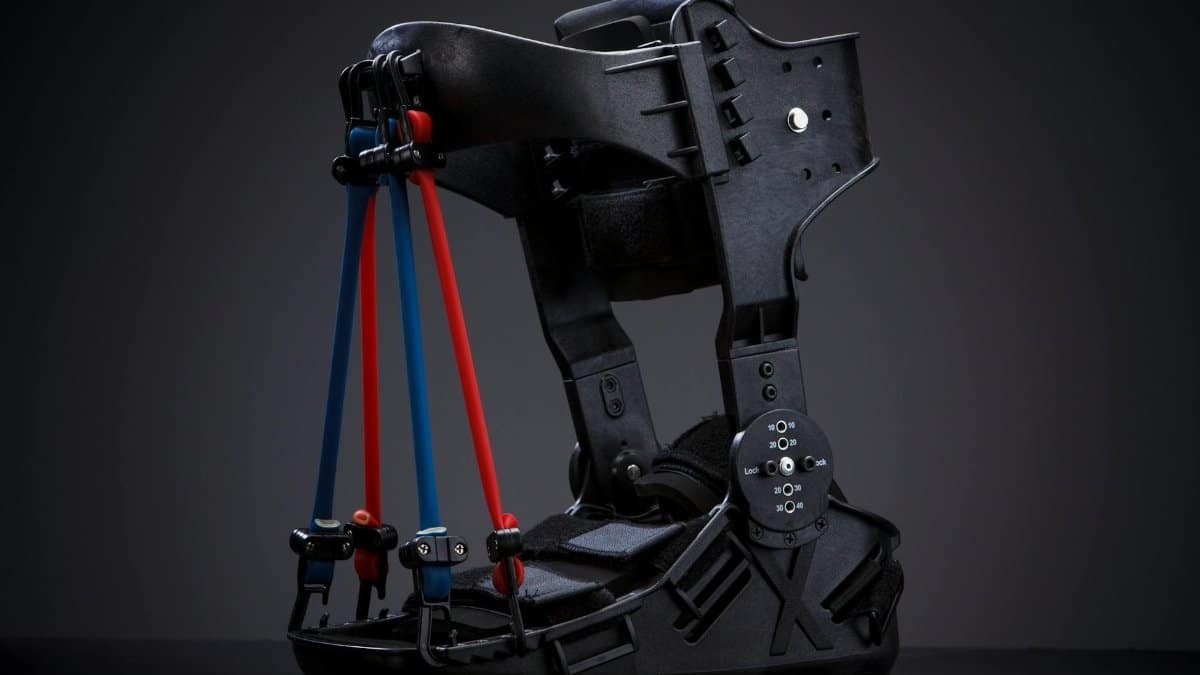
A report from the Centers for Disease Control and Prevention paints a stark picture: arthritis afflicts one in four U.S. adults, with gardening often accelerating the ache in knees, backs, and hands. Middle-aged enthusiasts, drawn to the soil for stress relief and fresh produce, frequently push through twinges that linger for days. Yet simple strategies exist to protect your joints amid the digging and weeding. Experts from the Arthritis Foundation emphasize preparation and tools that reduce strain. As spring blooms draw crowds to yards nationwide, rethinking routines could keep the joy in gardening without the fallout.
The Mechanics of Garden Strain

Kneel down to plant bulbs on a crisp April morning. Feel that subtle pull in your knees? Gardening demands repetitive motions that tax cartilage and ligaments. Orthopedic specialists note how bending, twisting, and lifting mimic the daily grind on joints already worn by age or past injuries. A National Institute of Arthritis and Musculoskeletal and Skin Diseases overview highlights osteoarthritis as the culprit in most cases, where joint cushioning thins over time.
Consider a retiree in suburban Ohio, methodically tilling her plot. She ignores the early stiffness until evenings bring swelling. Such stories echo across communities. The key lies in anticipating stress points: wrists from gripping trowels, hips from prolonged squatting, spines from hauling soil bags.
1. Master the Warm-Up Ritual

Start slow. Five minutes of gentle arm circles and leg swings primes muscles around joints, boosting blood flow. Skip this, and cold tissues tear more easily. Physical therapists recommend dynamic stretches tailored to gardening: shoulder rolls to loosen wrists, torso twists for the back.
Picture a group of neighbors in a Seattle community garden. One veteran shares her routine. “Swing your arms like windmills first,” she advises. They try it. Fewer complaints follow. Research backs this: pre-activity warm-ups cut injury risk by up to 30 percent, per sports medicine reviews.
2. Invest in Ergonomic Tools
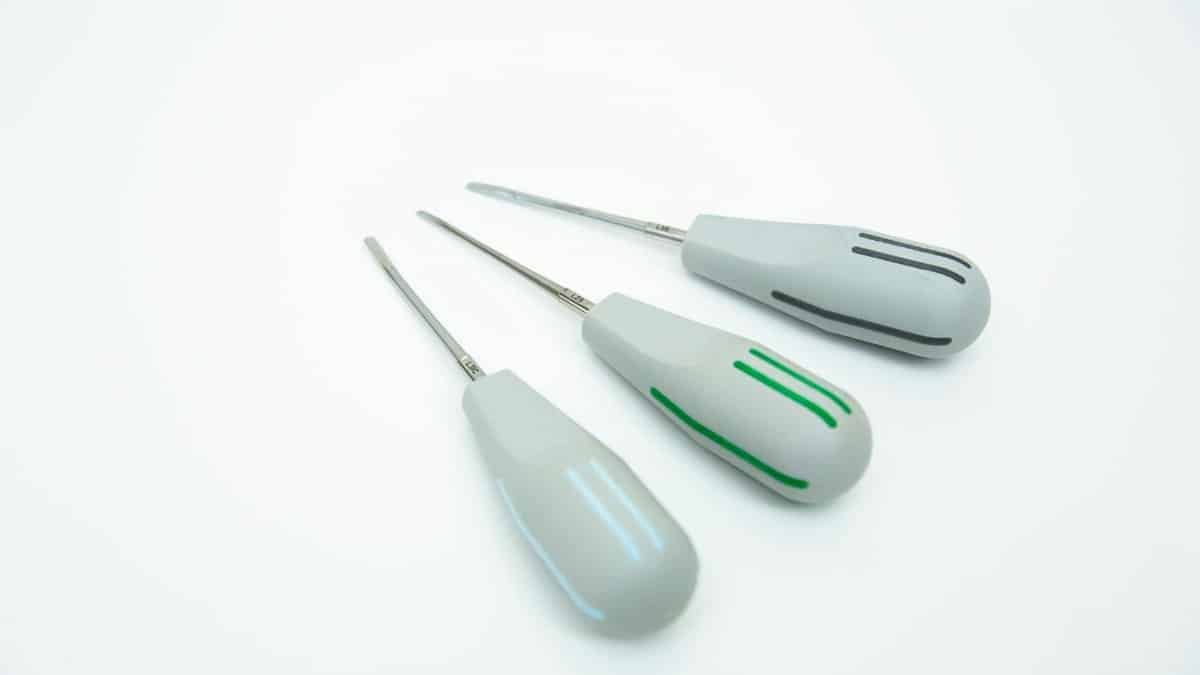
Long-handled pruners and lightweight hoes transform effort. These extend reach, sparing knees and back stoops. At a recent hardware store demo in Atlanta, shoppers tested ratcheting secateurs that require less grip force. Hands relaxed instantly.
The Arthritis Foundation urges tools with padded, angled grips. Swap heavy shovels for ones with fiberglass handles. Cost? Under $50 for most. One online forum post captured the shift: a user described ditching pain after upgrading, noting wrists that “finally felt free.”
3. Kneel Smart with Protective Gear

Bare knees on gravel spell trouble. Foam kneeling pads or gel mats distribute weight, cushioning patellas. Gardeners in arid Arizona swear by portable versions that strap on. Elevate further with adjustable stools on wheels for mobility.
Data from occupational health studies show such aids slash knee pressure by half. Roll one out before weeding. Transition to standing effortlessly. Joints thank you.
4. Perfect Your Posture Game

Alignment matters. Keep weight centered over feet, core engaged. Avoid the hunch over flowerbeds. A Denver yoga instructor who gardens demonstrates: feet shoulder-width, back straight, tools close to body.
Watch novices slump. Veterans glide upright. This habit preserves spinal discs. Mirror it at home: practice lifting a watering can with bent knees, straight back. Subtle, yet profound.
5. Lift and Carry Like a Pro

Soil bags weigh 40 pounds. Hoist wrong, and lumbar joints protest. Bend at hips and knees, hug loads close. Use wheelbarrows for bulk. In rural Pennsylvania, a farmer’s market vendor recounts switching to two-wheeled carts. “No more shooting back pain,” he says.
Guidelines from the Mayo Clinic stress team lifts for anything over 50 pounds. Segment heavy pots. Prevention trumps recovery.
6. Pace Yourself with Breaks
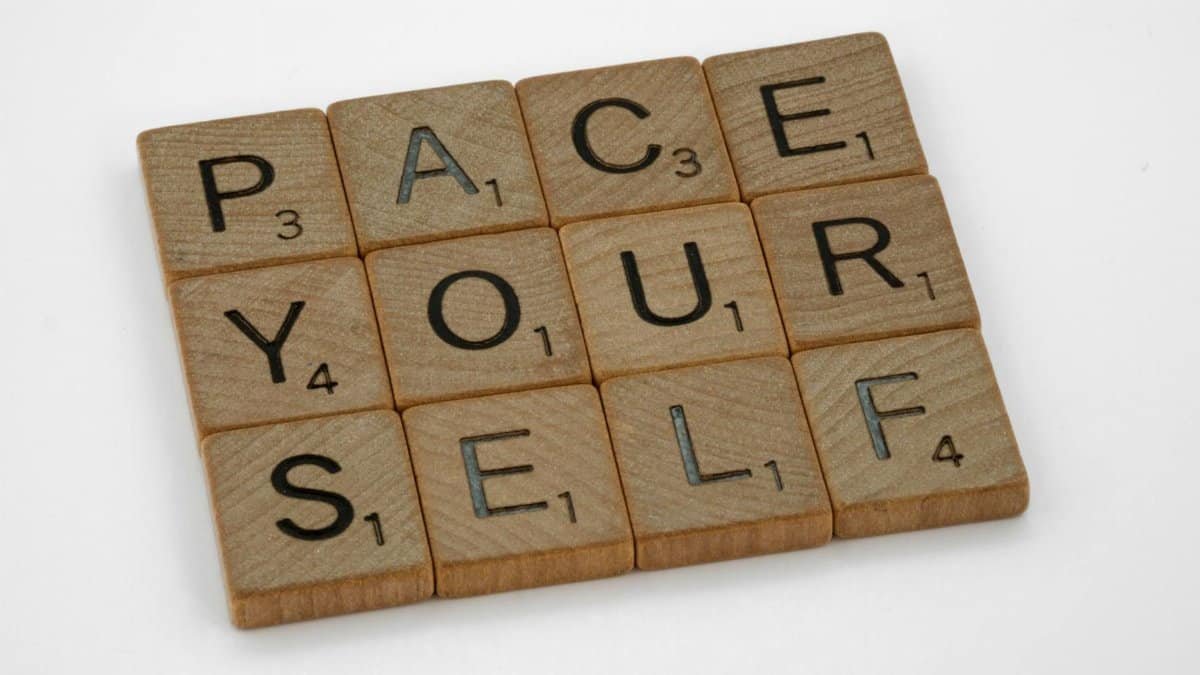
Two hours straight? Joints inflame. Set a timer for 20-minute sessions, interspersed with walks. Hydrate. Stretch mid-task. A Portland master gardener logs her day: weed 15 minutes, stand and shake it out.
This rhythm allows synovial fluid to lubricate joints. Fatigue breeds sloppiness. Build in shade stops. Endurance grows over weeks.
7. Strengthen Supporting Muscles
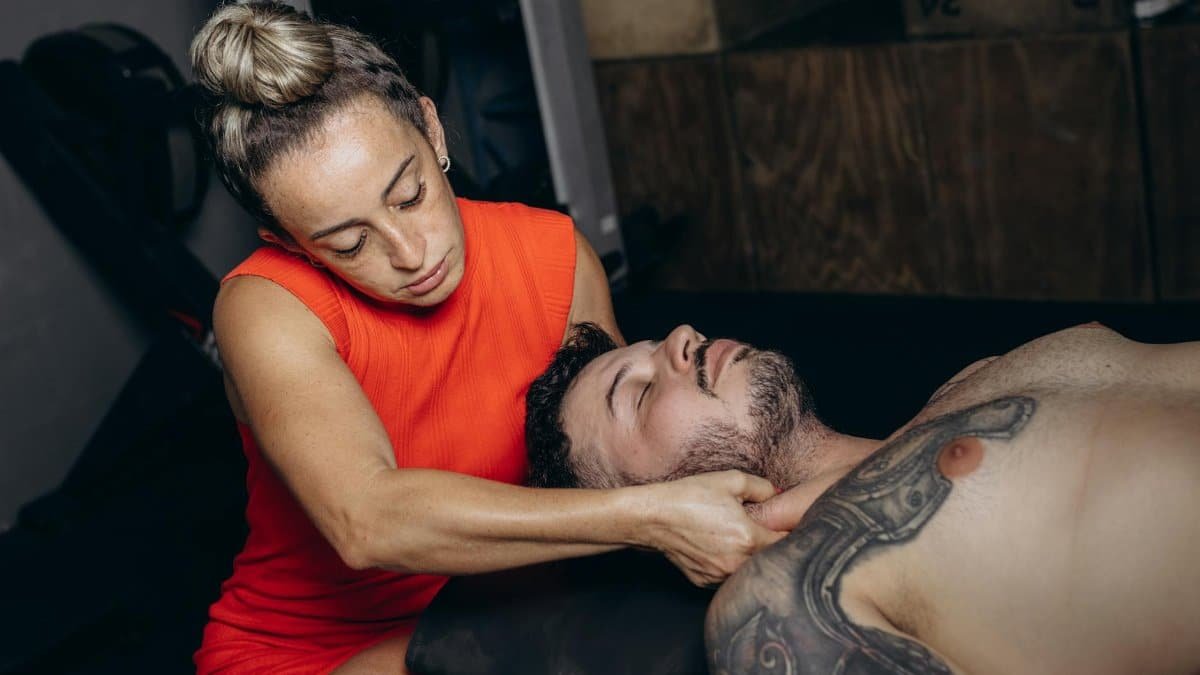
Weak quads overburden knees. Off-season squats and planks fortify. Twice weekly, 10 minutes suffices. Join a gym class blending yoga and resistance for gardeners.
Evidence mounts: core and leg strength correlates with fewer flare-ups, as detailed in rehabilitation journals. A middle-aged dad in Chicago added wall sits. His weekend mulching sessions stretched longer, pain-free.
8. Modify Tasks for Longevity

Raised beds at waist height eliminate bending. Vertical planters suit wrists. Choose perennials over annual digging marathons. In Florida’s heat, one couple installed trellises. Vines climb; they observe.
Adapt to limitations. Consult a doctor for custom tweaks. These changes sustain passion decades on.
Gardening’s Broader Joint Legacy
Beyond tweaks, mindset shifts. View gardening as movement therapy, not chore. Track progress in a journal: fewer ibuprofen days signal success. Communities form around adaptive techniques, from online tips to local co-ops.
Public health trends show rising interest. With baby boomers tending plots, demand surges for joint-smart designs. Innovations like automated seeders emerge.
When to Call in Experts

Persistent pain demands attention. Rheumatologists diagnose via imaging. Early intervention preserves mobility. The CDC notes physical therapy restores function for 70 percent of patients.
Don’t garden through agony. Balance pursuit with prudence. Joints, after all, carry us through life’s harvests.

As an education professional with a background in Biology and Physics, Dr. Christoph Weber is the analytical heart of Fulfilled Humans. He ensures every piece of content is insightful and grounded in credible knowledge.
Disclaimer
The content on this post is for informational purposes only. It is not intended as a substitute for professional health or financial advice. Always seek the guidance of a qualified professional with any questions you may have regarding your health or finances. All information is provided by FulfilledHumans.com (a brand of EgoEase LLC) and is not guaranteed to be complete, accurate, or reliable.