
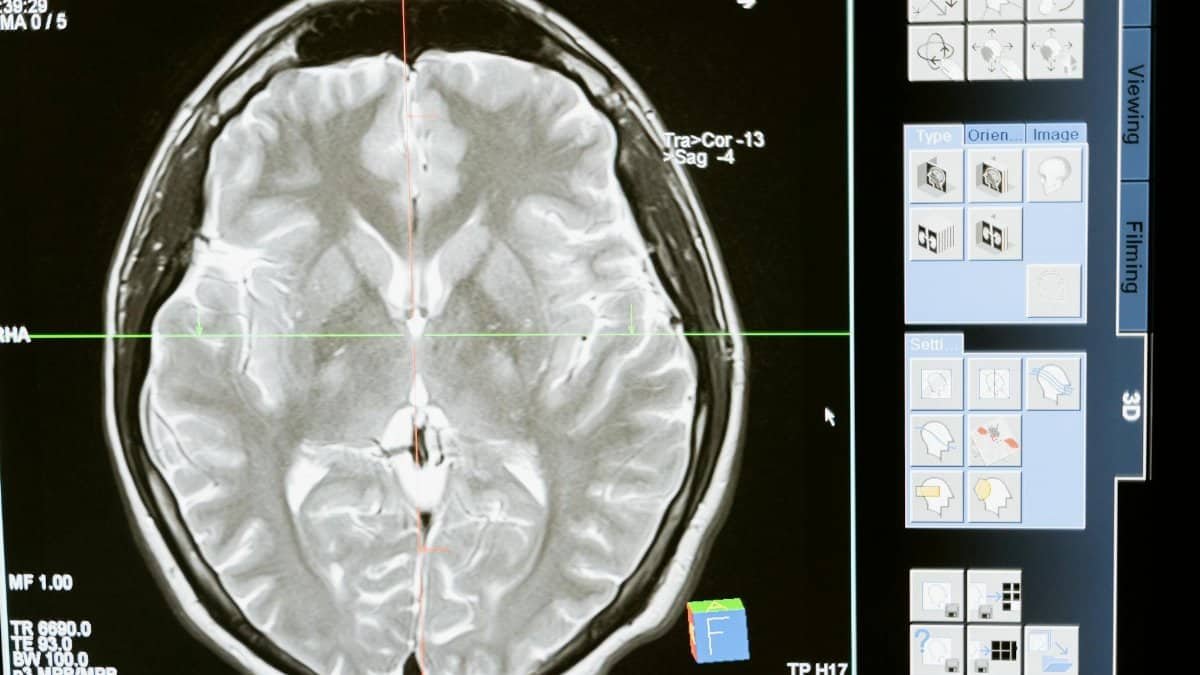
A whopping 71% of U.S. adults now crave a digital detox, fueling a boom in screen free hobbies that promise real brain relief. Burnout from endless scrolling has Americans picking up needles, paints and shovels instead. These hands-on pursuits cut stress, sharpen focus and rebuild attention spans shattered by TikTok and Netflix binges. Experts say it’s no fad—it’s a necessity in our 24/7 connected world.
The Digital Fatigue Crisis

Screens dominate life. Adults log about 7 hours of recreational screen time daily, per recent reports. That constant glow spikes cortisol, fogs memory and disrupts sleep. Screen free hobbies flip the script. They engage the hands and mind in slow, deliberate ways. Think rhythmic motions that mimic meditation. Therapists push them as first-line defenses against anxiety.
1. Knitting and Crocheting
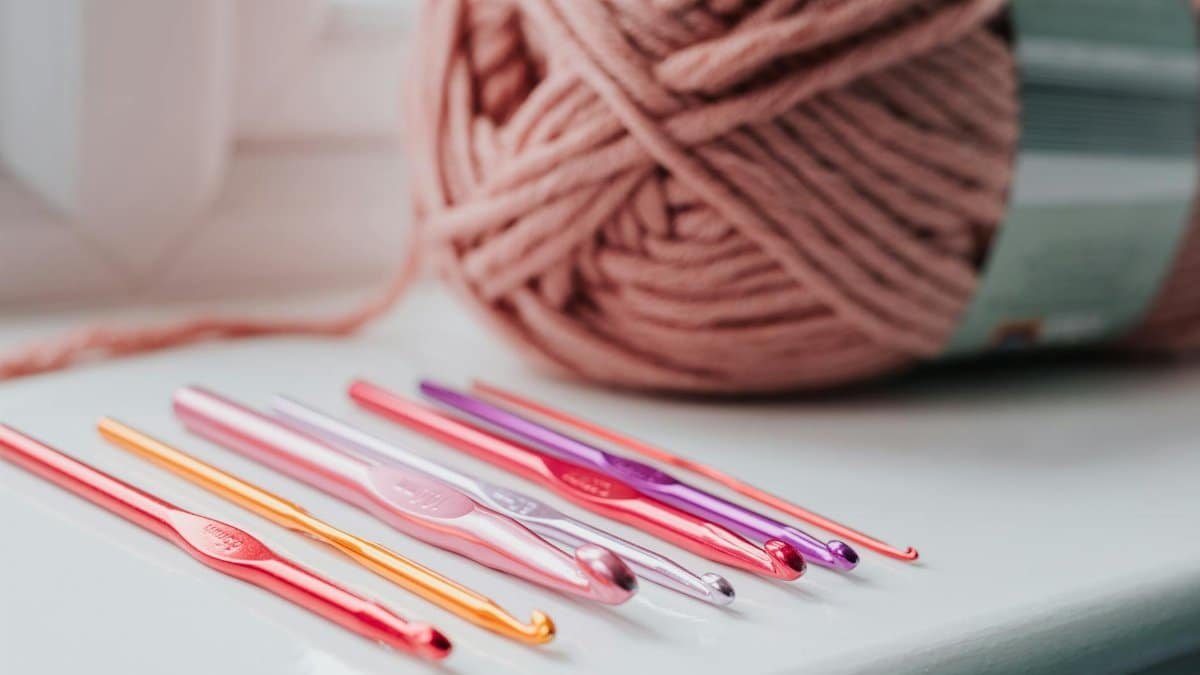
Grab yarn and hooks. Knitting delivers instant calm through repetitive stitches. A Harvard Health study links it to lower heart rates and better moods. Beginners start with scarves; pros tackle sweaters. Local yarn stores report 30% sales jumps post-pandemic. No apps needed—just pure flow state bliss.
2. Drawing and Sketching
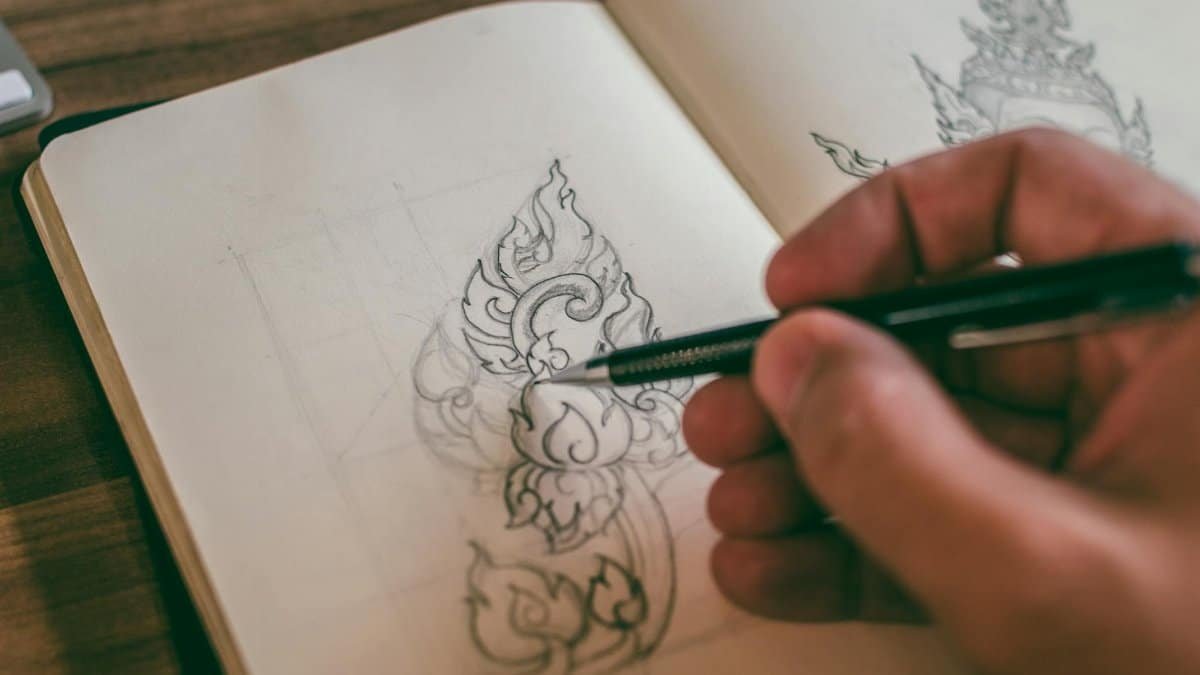
Pencils hit paper. Sketching anything from cityscapes to coffee mugs quiets mental chatter. Artists note improved problem-solving after sessions. Community classes fill up fast in cities like New York and LA. Ditch digital tablets; graphite smudges beat stylus swipes for tactile joy. Pros: Builds patience, crushes perfectionism.
3. Gardening
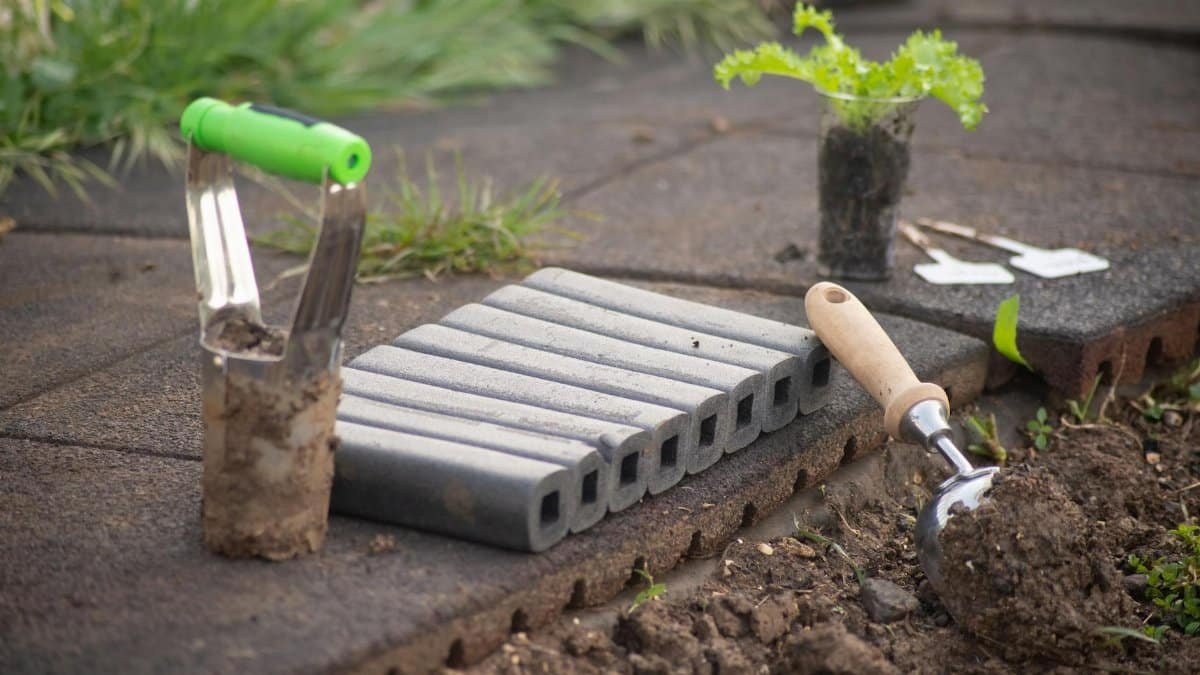
Dig in the dirt. Planting herbs or veggies reconnects you to seasons and growth cycles. Studies tie it to vitamin D boosts and microbiome health from soil microbes. Urban balcony gardens thrive on small spaces. Harvesting your own tomatoes? Pure dopamine without a like button. Cities see community plots explode amid rising food costs.
4. Cooking from Scratch
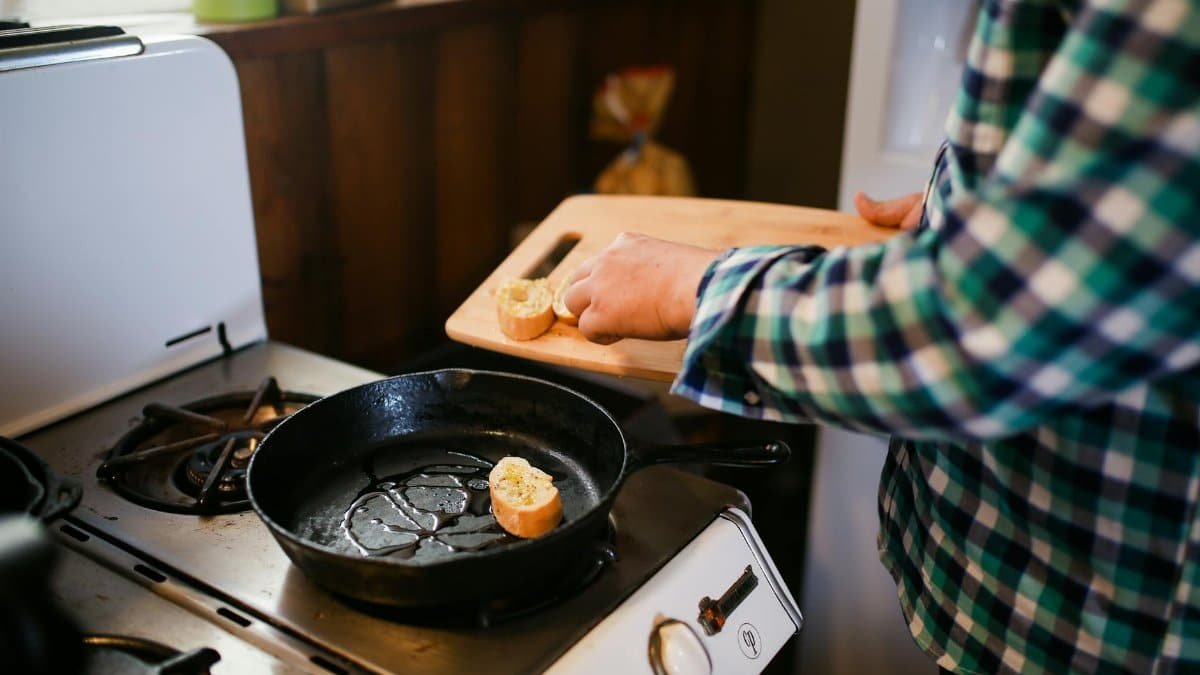
Chop, stir, savor. Whipping up pasta or bread engages all senses minus recipe apps. It sharpens math skills through measurements and timing. Home cooks report 40% less stress after weekly sessions. Farmers markets supply fresh ingredients. Bonus: Saves cash over takeout doom loops.
5. Model Building or Woodworking

Sawdust flies. Assembling models or carving spoons demands focus and finesse. The precision work mirrors puzzle-solving, lighting up reward centers. Hobby shops buzz with return customers. From ship kits to birdhouses, results last. Men over 40 lead the charge, citing therapy-level unwind.
6. Journaling by Hand
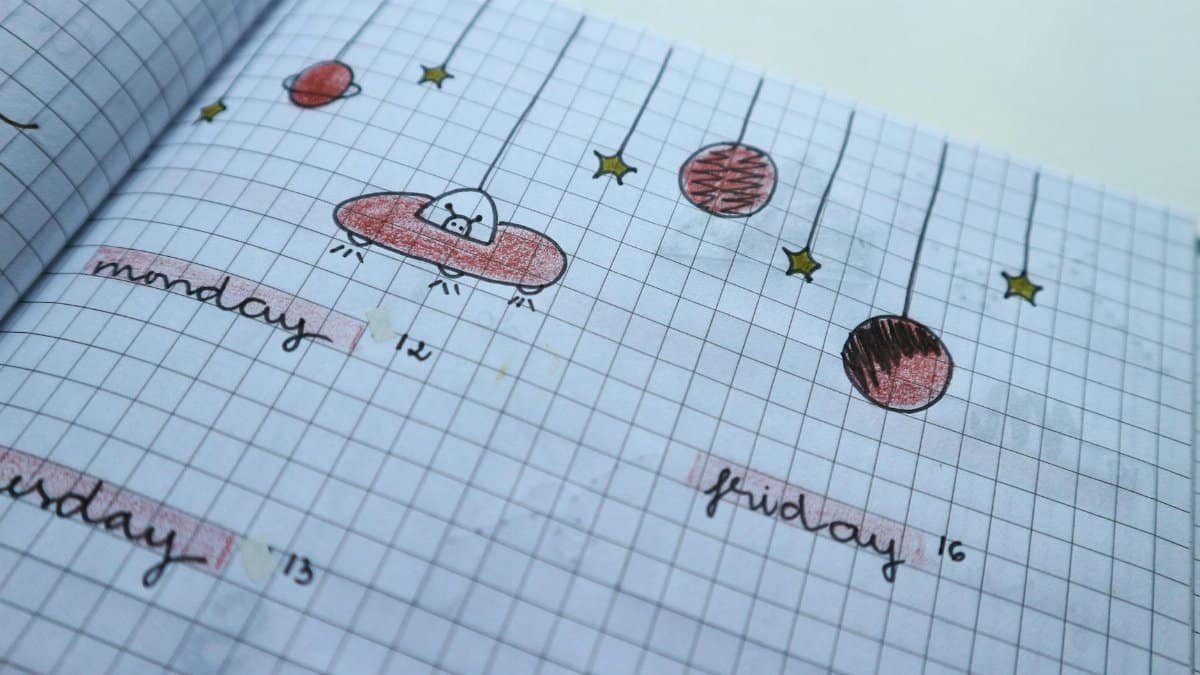
Pen meets page. Bullet journals or free writes unpack thoughts sans autocorrect. Research shows handwriting boosts retention 25% over typing. Prompts like “gratitude lists” cut negativity. Bookstores stock fancy notebooks; sales soared 50% last year. It’s cheap therapy that travels light.
7. Hiking and Birdwatching

Hit the trails. Spotting birds or summiting hills clears headspace with fresh air and strides. No GPS apps—just maps and binoculars. National parks log record visits. The combo of movement and observation slashes depression risk, per wellness data. Spot a rare warbler? Better than any viral reel.
8. Playing a Musical Instrument
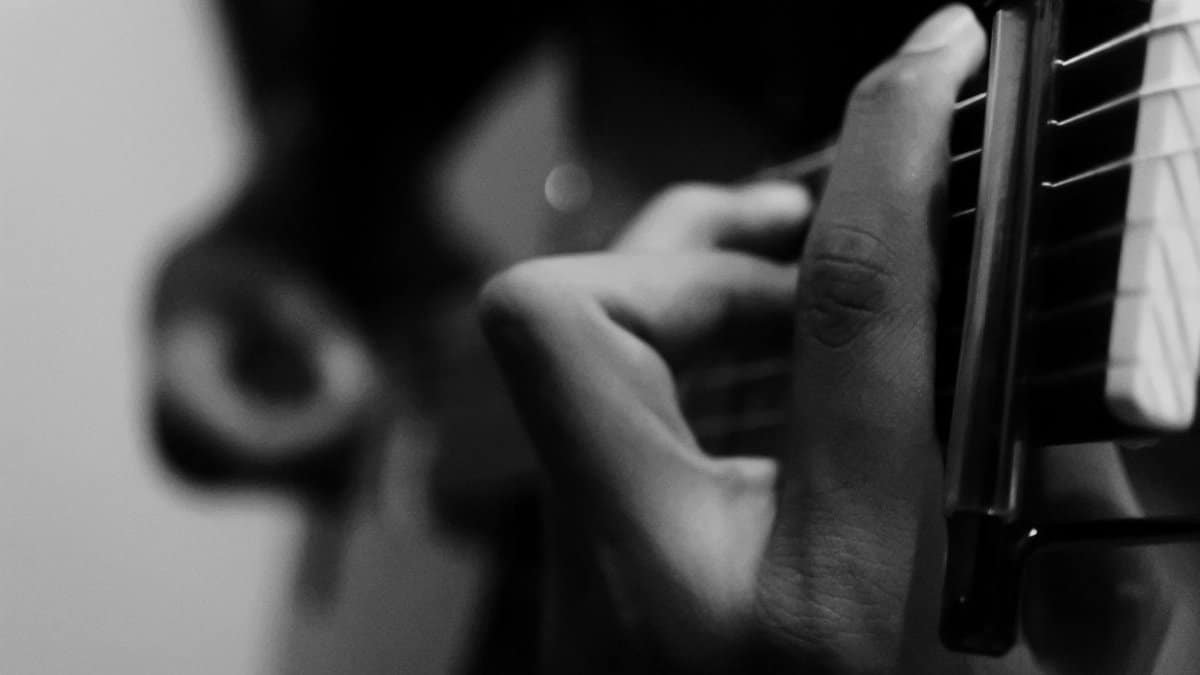
Strum or blow. Guitar, harmonica or drums build coordination and confidence. Practice sessions release endorphins like a runner’s high. Community jams foster bonds. Beginners use free library loans. Music therapy pros endorse it for ADHD and insomnia relief.
Why These Beat Apps
Apps promise zen but deliver notifications. Screen free hobbies demand presence. They rebuild “deep work” muscles atrophied by short-form content. A APA report warns chronic screen use rewires brains for distraction. Hands-on alternatives restore balance. Costs? Under $50 to start most.
Getting Started Tips

Join clubs via Meetup.com or libraries. Set “no-screen evenings.” Track progress in a log. Expect awkward starts—persistence pays. Families bond over board games or group hikes. Results hit fast: Better sleep, sharper recall. In a world wired for frenzy, these hobbies unplug for good.

A certified hypnotherapist, Reiki practitioner, sound healer, and MBCT trainer, Christopher guides our journey into the spiritual dimension, helping you tap into a deeper sense of peace and awareness.
Disclaimer
The content on this post is for informational purposes only. It is not intended as a substitute for professional health or financial advice. Always seek the guidance of a qualified professional with any questions you may have regarding your health or finances. All information is provided by FulfilledHumans.com (a brand of EgoEase LLC) and is not guaranteed to be complete, accurate, or reliable.