
A recent report from the Centers for Disease Control and Prevention reveals that only about one in four adults over 65 gets enough physical activity to stay healthy. Yet those who do often turn to low impact senior exercises, gentle routines that build strength without straining joints. These movements promise more than just fitness. They offer independence, sharper minds, and fewer doctor visits in the golden years. As America’s senior population swells—projected to hit 80 million by 2040—such exercises emerge as a quiet revolution. Community centers buzz with classes. Neighborhood parks fill with deliberate steps. Doctors prescribe them alongside pills. In a nation grappling with isolation and frailty among the elderly, low impact senior exercises stand out as accessible armor against time’s toll.
Why Joint-Friendly Movement Matters Now
Seniors face a stark reality. Arthritis afflicts nearly 60 percent of those over 65, per the CDC’s arthritis data. High intensity workouts risk injury. Low impact alternatives sidestep that trap. Consider a group in suburban Chicago. Chairs arranged in a circle. Laughter punctuates slow arm raises. One participant, a retired teacher, shares how daily sessions eased her knee pain enough to garden again. These exercises prioritize form over speed. They engage muscles core to daily life: climbing stairs, carrying groceries, hugging grandkids. Research backs the shift. Studies show consistent low impact activity cuts fall risks by 23 percent. Bodies adapt. Balance improves. Confidence surges.
The Science of Gentle Strength
Muscle loss accelerates after 50. Sarcopenia, experts call it. But low impact senior exercises counteract that slide. A landmark study from the National Institute on Aging tracked participants over two years. Those doing seated leg lifts and similar moves preserved thigh strength better than sedentary peers. Link the findings here at NIA’s exercise guide. Why? Repetition builds endurance without cortisol spikes from heavy lifting. Blood flows freer. Joints lubricate naturally. Neurologists note cognitive perks too. Rhythmic motion sparks brain derived neurotrophic factor, a protein tied to memory. One online account captured it simply: a woman in her 70s described how morning chair yoga sharpened her crossword focus, banishing midday fog.
Exercise 1: Seated Marches for Endurance
Start simple. Sit tall in a sturdy chair. Lift one knee toward the chest, then switch. Aim for 20 reps per leg. This mimics walking’s benefits minus pavement pound. Heart rate climbs gently. Calves and hip flexors wake up. Therapists recommend it first. “It’s foolproof,” says a physical trainer in Florida gyms catering to retirees. Variations add ankle weights for progression. Do it while watching news. Ten minutes daily yields stamina for longer outings.
Exercise 2: Chair Squats to Reclaim Stability
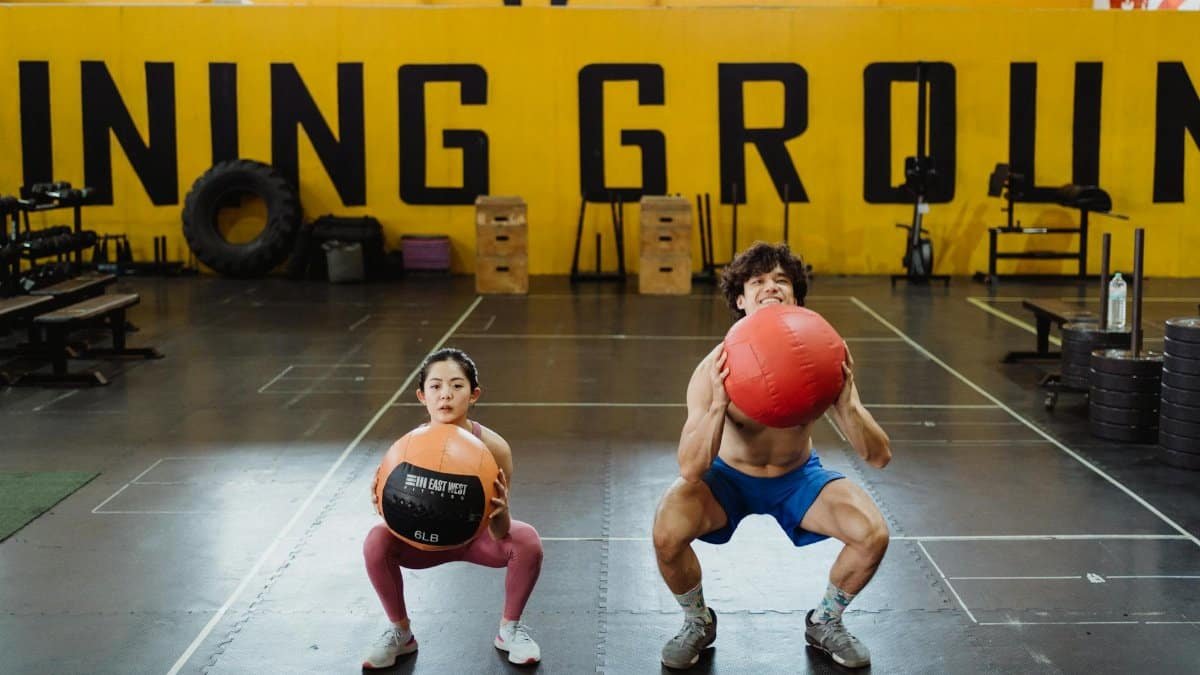
Rise from the chair without using hands. Lower back slowly. Repeat 10 times. Targets quads and glutes, key for standing from toilets or cars. A Mayo Clinic overview confirms such functional moves slash daily mishaps; see their senior exercise page. Grip the seat edges if needed at first. Breathe out on the lift. Feel the burn build control. Seniors report fewer wobbles after weeks.
Exercise 3: Wall Pushups for Upper Body Power
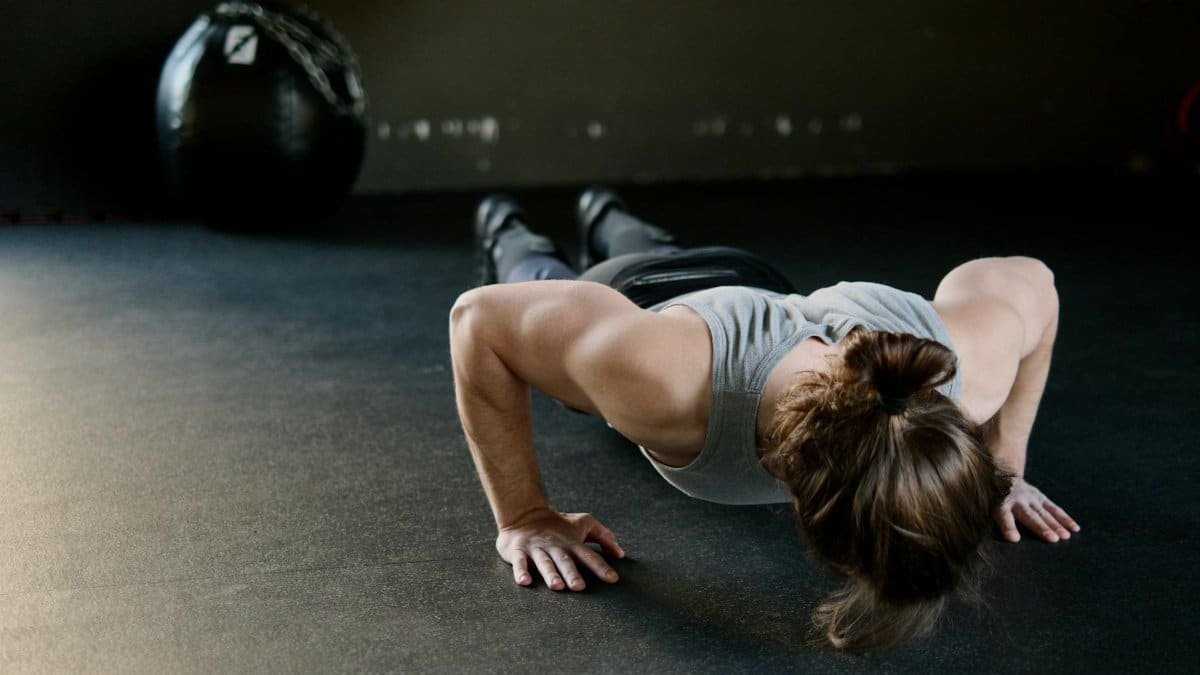
Face a wall, hands shoulder width. Bend elbows to lean in, then push back. Eight to 12 reps. Shoulders and chest firm up. No floor required. This counters rounded postures from desk years or reading. In group settings, it fosters camaraderie. “Push together,” instructors chant. Strength here aids reaching shelves or steering walkers.
Exercise 4: Seated Leg Lifts for Core Support
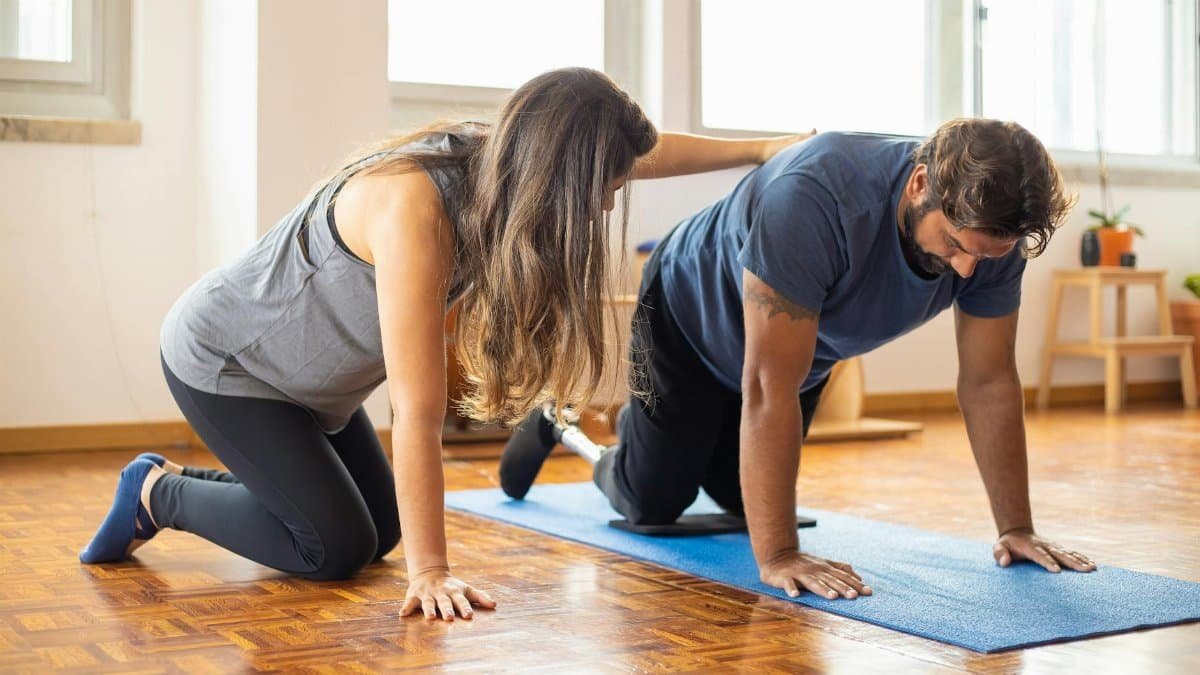
Extend one leg straight out, hold three seconds, lower. Switch sides. 10 per leg. Abdominals engage. Hips stabilize. Perfect for osteoporosis concerns. Harvard Health outlines how these resist frailty; details on their site. Add a gentle hold at the top. Progress feels empowering.
Exercise 5: Arm Circles to Loosen Shoulders
Sit or stand. Extend arms sideways. Circle forward 10 times, then backward. Small motions first, grow larger. Rotator cuffs thank you. This flows like swimming on dry land. Desk bound seniors love it for deskunking knots. Pair with deep breaths. Tension melts.
Exercise 6: Heel-Toe Walks for Balance

Along a hallway, place heel to toe, like a tightrope. 20 steps. Hands out for steadiness. Proprioception sharpens. Falls drop dramatically with practice, per CDC guidelines. Hold furniture if dizzy. Builds trust in one’s footing. Parks become playgrounds again.
Exercise 7: Seated Twists for Spinal Health
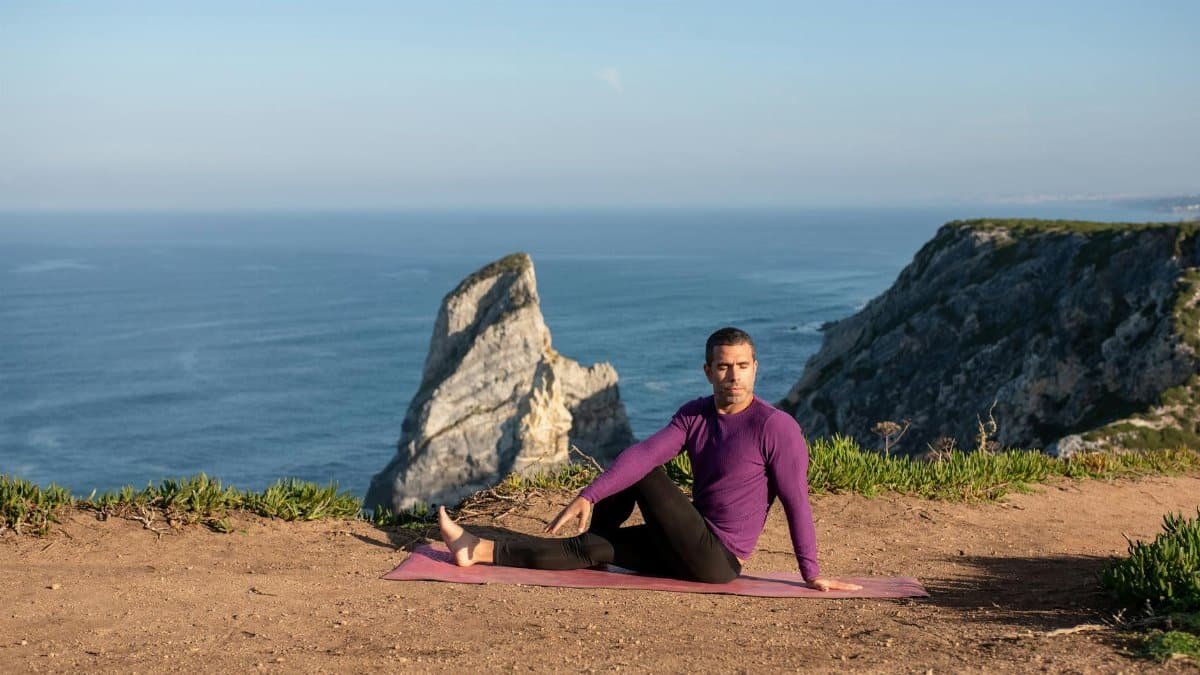
Feet flat. Twist torso gently side to side, hand on opposite knee. Five each way. Spine mobilizes. Digestion perks up too. Yoga roots ground it. Avoid if back issues flare. Instructors demo mirrorside. Flexibility returns subtly.
Exercise 8: Ankle Pumps for Circulation
Point toes away, then flex toward shins. 20 cycles. Lying or seated. Veins pump stronger. Swelling fades. Ideal post surgery or long flights. Nurses swear by it. Subtle yet vital.
Building a Routine That Sticks
Combine these into 20 minute sessions. Three times weekly minimum. Track progress in a notebook. Apps remind, but paper feels personal. Community classes amplify motivation. A Phoenix senior center saw attendance double post pandemic. Hydrate. Warm up with marches. Cool down stretches.
Common Pitfalls and Smart Fixes
Overdoing reps invites soreness. Start slow. Consult doctors for conditions like heart issues. Shoes matter; supportive ones grip floors. One forum post echoed many: a man ignored fatigue, paid with a pulled muscle. Listen to your body. Pain signals stop.
Real Lives Transformed
Stories abound. A widow in Ohio, post hip replacement, credits seated lifts for solo grocery runs. Her doctor nodded approval. Another, gardening club member, weaves heel walks into yard laps. Energy rebounds. These exercises weave into lives, not disrupt. Families notice vigor return.
A Call to Gentle Action
Low impact senior exercises demand little. A chair. Space. Will. Yet rewards compound. Mobility preserved. Spirits lifted. As longevity stretches, they bridge activity gaps. Start tomorrow. Move wisely. Age vibrantly.
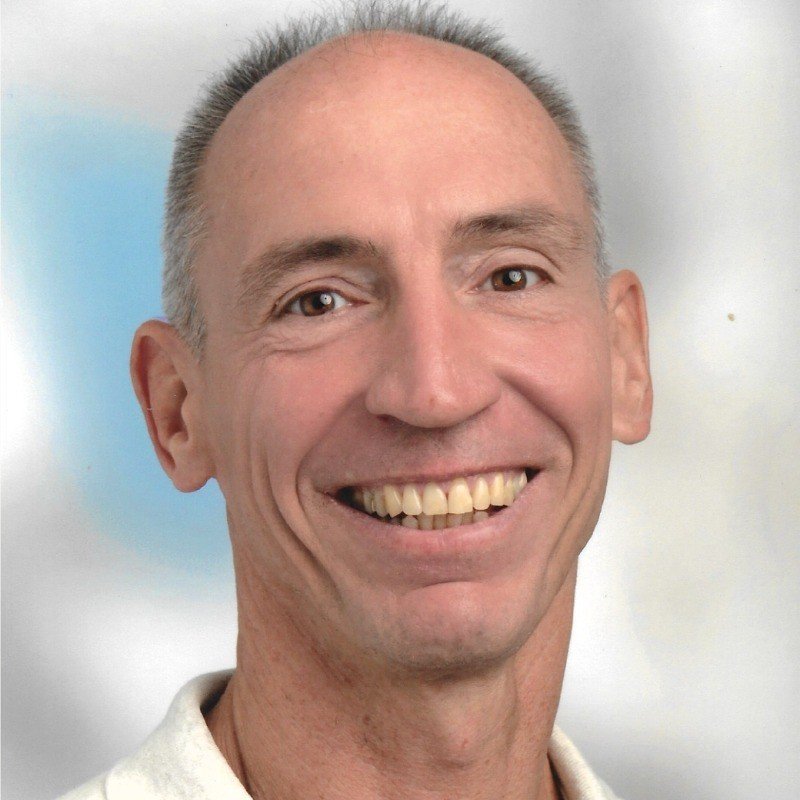
As an education professional with a background in Biology and Physics, Dr. Christoph Weber is the analytical heart of Fulfilled Humans. He ensures every piece of content is insightful and grounded in credible knowledge.
Disclaimer
The content on this post is for informational purposes only. It is not intended as a substitute for professional health or financial advice. Always seek the guidance of a qualified professional with any questions you may have regarding your health or finances. All information is provided by FulfilledHumans.com (a brand of EgoEase LLC) and is not guaranteed to be complete, accurate, or reliable.