
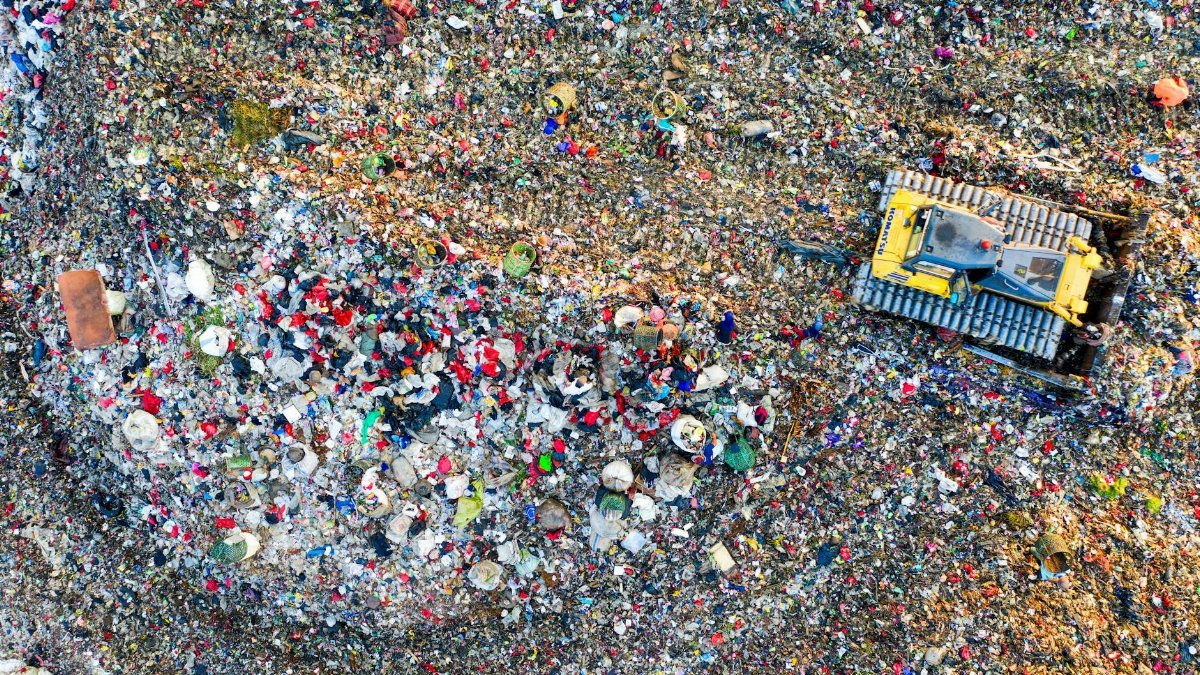
Fashion’s trash heaps are shrinking. Designers turned 2.5 billion pounds of textile waste into fresh threads last year, dodging landfills. Upcycled fashion waste—old clothes and scraps reborn as new gear—is exploding. Brands from Levi’s to H&M now push it hard. This shift cuts the 92 million tons of annual global garment dumpage, per recent reports. Here’s how it’s working.
Deadstock Fabrics Get New Life
Excess cloth from factories once rotted in warehouses. Now upcyclers grab it cheap. Take EPA data : U.S. textile waste hit 17 million tons in 2018, mostly landfilled. Deadstock revival changes that. Brands like Reformation slice surplus into dresses, saving 20% on production costs. One factory in Los Angeles shipped 50,000 yards to upcyclers last quarter. Demand surges as shoppers hunt sustainable labels.
Vintage Revival Hits Runways
Thrift stores overflow with discards. Upcyclers raid them for gems. Shredded denim becomes trendy bags; faded tees morph into patchwork jackets. Stella McCartney led this charge, upcycling 10,000 pieces yearly. Sales jumped 15% for her loop line. In New York, shops like Red Dress turn 5 tons of vintage monthly into high-end wear. Buyers pay premium—$200 jackets from $5 rags. Landfills lose big.
Factory Scraps Fuel Streetwear

Cuttings from jeans plants pile up fast. Upcyclers stitch them into bold streetwear. Patagonia’s Worn Wear program repairs and resells 100,000 items annually, diverting waste. Scrap bags and hats from Levi’s trimmings flew off shelves in 2023. One Brooklyn atelier processes 2 tons weekly, selling to celebs. This keeps scraps out of the 11.3 million tons Americans toss yearly, per EPA stats.
Community Swaps Build Momentum

Neighborhood events swap old for new. Participants drop jeans; makers remake them. London’s Upcycle Club handled 30,000 items last year, zero waste to dumps. In the U.S., Repair Cafes fixed 250,000 garments nationwide. Simple: zippers swapped, hems fixed. Cost? Free. Result: 500 tons saved from landfills. Apps like Too Good To Go now list upcycle kits, boosting participation 40%.
Brands Launch Dedicated Lines

H&M’s Conscious Collection upcycles 20% of stock from waste. Zara tests scrap-infused tees. Levi’s SecondHand line resells 1 million refurbished pairs yearly. Revenue? $100 million across majors. Consumers drive it—68% prefer upcycled, says a Ellen MacArthur Foundation report. Big players cut virgin fabric use by 15%, starving landfills.
Tech Speeds Sorting and Shredding
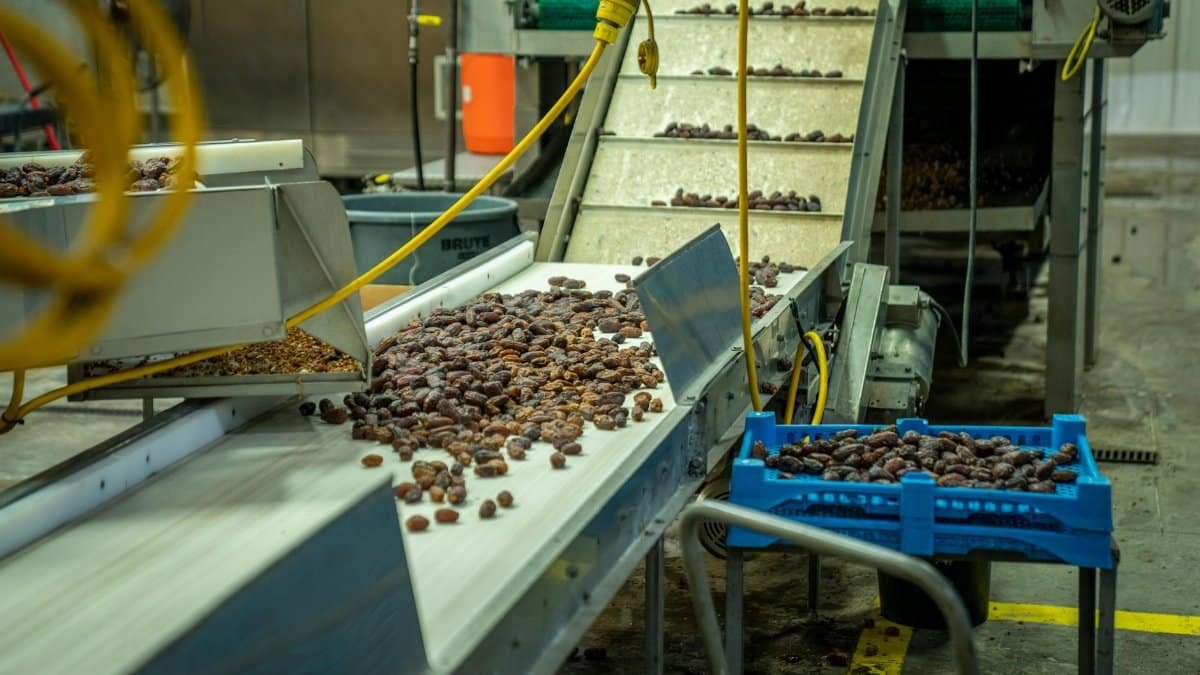
AI sorts textiles by fiber in seconds. Machines from Pellenc shred unwearables into yarn. Unifi’s Repreve turns bottles and scraps into polyester for 300 brands. Output: 3 billion bottles recycled since 2007. Sorting accuracy hit 95%, slashing manual labor. One Dutch plant processes 50 tons daily, feeding upcyclers. Landfill bypass? Massive.
Policy Pushes Upcycle Mandates

Laws force change. France bans fast fashion waste exports; California eyes extended producer responsibility. EU targets 25% recycled content by 2030. Brands comply or pay fines. Result: upcycled lines boom. India’s rag trade upcycles 1 billion tons yearly, employing millions. U.S. bills propose tax breaks for upcyclers. Momentum builds—waste down 12% in pilot cities.
Consumer Demand Drives Scale
Shoppers vote with wallets. Upcycled sales rose 25% in 2023, per NPD Group. TikTok influencers flaunt patchwork fits, racking millions of views. Gen Z leads: 62% buy upcycled over new. Retailers stock it—Nordstrom carries upcycle pop-ups. Prices drop as scale hits: $50 hoodies from waste heaps. Landfills feel the pinch.
Upcycled fashion waste slashes dumps while styles stay hot. With tech, policy, and buyers aligned, expect billions more pounds diverted soon. The industry pivots—or gets left in the trash.

With a career spanning investment banking to private equity, Dominik brings a rare perspective on wealth. He explores how money can be a tool for personal freedom and positive impact, offering strategies for abundance that align with your values.
Disclaimer
The content on this post is for informational purposes only. It is not intended as a substitute for professional health or financial advice. Always seek the guidance of a qualified professional with any questions you may have regarding your health or finances. All information is provided by FulfilledHumans.com (a brand of EgoEase LLC) and is not guaranteed to be complete, accurate, or reliable.