

Teachers are quitting in droves—55% report feeling underappreciated, according to a recent National Education Association poll. That’s fueling a grassroots movement to support local teachers before more classrooms empty out. From donating supplies to showing up at board meetings, communities are stepping up. These efforts aren’t just feel-good gestures; they’re making real differences in public schools strained by shortages and burnout.
Donate Classroom Essentials
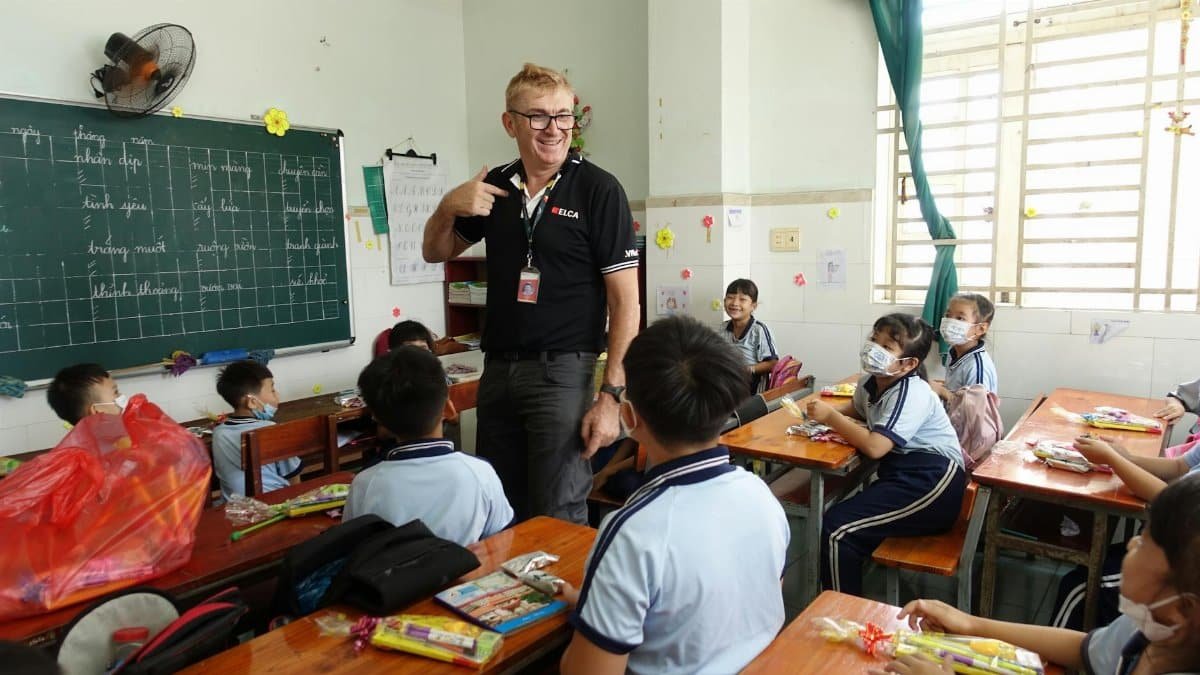
Local teachers often dig into their own pockets for basics like notebooks and markers. A simple fix? Organize a supply drive. Platforms like DonorsChoose.org let you fund specific requests from nearby schools. Last year, donors covered over $1 billion in teacher wish lists nationwide. Pick a project from your district, contribute $25 or more, and watch supplies arrive. Teachers save hundreds annually this way, freeing cash for lesson plans over lunch breaks.
Volunteer Your Time

Schools crave extra hands. Sign up to read to kids, chaperone field trips, or tutor after hours. Programs like those from United Way match volunteers with local classrooms. One hour a week can ease a teacher’s load by 20%, studies show. Check your district’s website or apps like VolunteerMatch. Parents, retirees, even high schoolers qualify. In Chicago, volunteer surges cut teacher overtime by 15% last semester. It’s hands-on support that builds stronger communities.
Show Up at School Events

Board meetings, PTA nights, and open houses draw crowds when locals attend. Voice support for teacher pay raises or smaller classes. In Texas districts, parent turnout doubled funding votes last year. Bring a sign, share a story, or just fill seats—presence matters. Follow your school’s calendar on social media. One packed meeting in Florida secured $500K extra for supplies. Teachers notice who fights for them.
Advocate for Better Policies
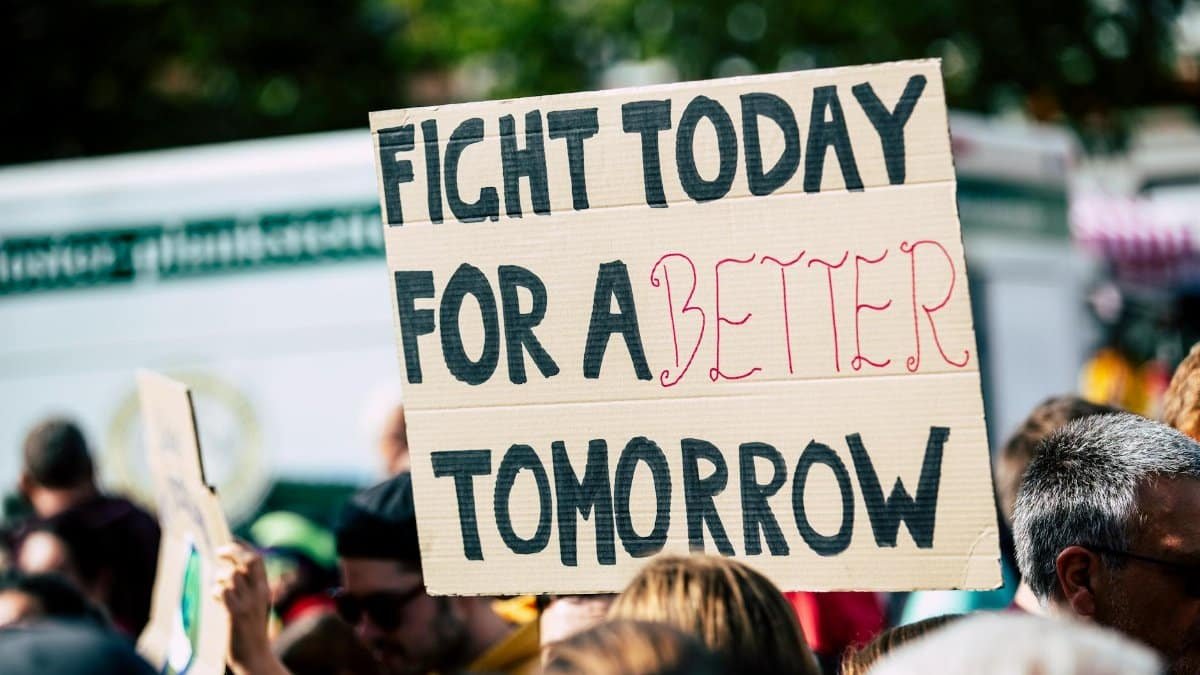
Email legislators. Push for state bills boosting teacher salaries or retention bonuses. Groups like the NEA provide templates. In 2023, advocacy flipped 12 states’ budgets toward education. Track bills on sites like your statehouse.gov. Rally neighbors via Nextdoor. A single viral petition in Ohio added $2,000 per teacher. Policy wins outlast one-off gifts, reshaping school futures.
Deliver Meals or Snacks

Teachers skip lunch grading papers. Drop off coffee runs, lunch catering, or snack baskets. Apps like Too Good To Go partner with schools for surplus food donations. PTOs in California organized weekly deliveries, boosting morale 30% per surveys. Coordinate via school newsletters. Budget $50 monthly for a classroom—peanut-free, of course. It’s a quick hit of gratitude amid grading marathons.
Send Personal Notes and Nominations

Handwritten thank-yous or emails go far. Nominate standouts for awards like those from the state education department. Platforms like ClassDojo let parents send kudos instantly. In a national push, 40% of teachers reported higher job satisfaction from recognition alone. Find nomination forms on school sites. One district’s campaign yielded 5,000 notes, slashing turnover by 10%. Words fuel the front lines.
These six steps pack punch without breaking the bank. Communities adopting them see happier staffs and better student scores. Teacher shortages loom large—projected 300,000 vacancies by 2024—but local action plugs gaps now. Start small, scale up. Your neighborhood schools depend on it.
By Chris F. Weber

A certified hypnotherapist, Reiki practitioner, sound healer, and MBCT trainer, Christopher guides our journey into the spiritual dimension, helping you tap into a deeper sense of peace and awareness.
Disclaimer
The content on this post is for informational purposes only. It is not intended as a substitute for professional health or financial advice. Always seek the guidance of a qualified professional with any questions you may have regarding your health or finances. All information is provided by FulfilledHumans.com (a brand of EgoEase LLC) and is not guaranteed to be complete, accurate, or reliable.