
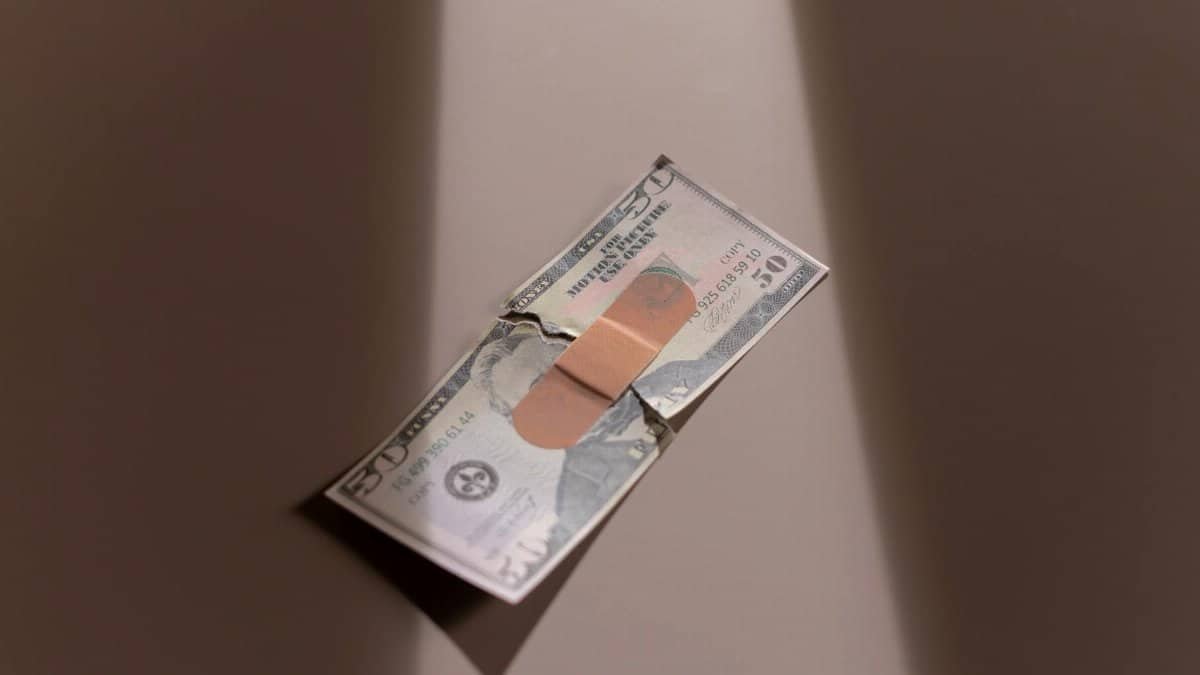
Tired of shelling out hundreds for a new blender? Neighborhood repair cafes are changing that game. These pop-up workshops, where volunteers fix your busted gadgets for free, have surged across U.S. suburbs. Last year alone, participants saved an estimated $10 million nationwide on repairs, according to organizers. From toasters to trousers, they’re keeping cash in pockets while slashing landfill waste.
Way One: Ditch the Pricey Repairman

Professional fixes sting. A simple appliance repair runs $100 to $300, per industry averages. Neighborhood repair cafes eliminate that hit. Volunteers—often retired engineers or hobbyists—tackle everything from lamp wiring to laptop screens at no charge. In Brooklyn’s monthly cafe, one volunteer fixed 25 items last session, sparing attendees over $2,000. No markup, no hassle. Just bring your broken stuff and tools if you have them.
Way Two: Master DIY Skills for Life
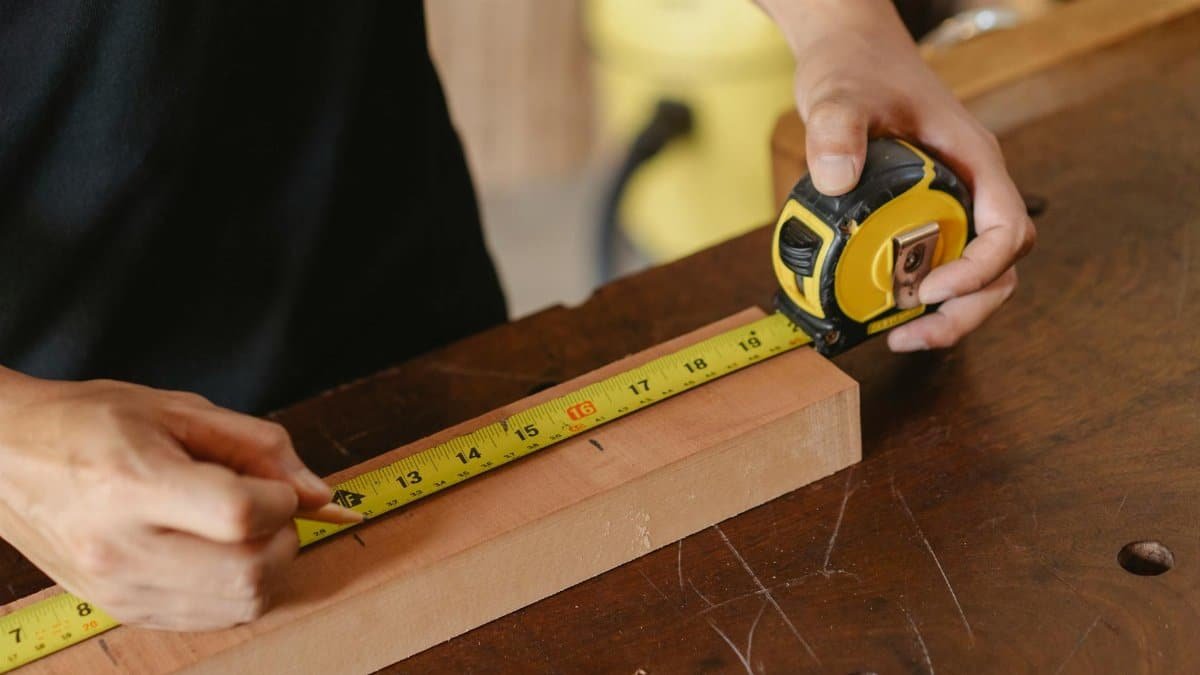
Watch once, save forever. Cafes double as classrooms. Attendees learn to solder circuits or patch jeans, turning one-time fixes into lifelong hacks. A Chicago participant told organizers she now handles her own vacuum repairs, dodging $150 service calls yearly. Multiply that across families, and the savings stack up fast. These skills pay dividends, especially with inflation biting into budgets.
Way Three: Skip the Retail Replacement Trap

New gadgets cost a fortune. That $80 vacuum? Gone in two years. Repair cafes extend item life, killing the buy-replace cycle. Data from the Repair Cafe USA network shows fixed items last 3-5 more years on average. One Seattle mom revived a $200 stroller, avoiding a full repurchase. Communities report average household savings of $300 annually from avoided buys.
Way Four: Cut Hidden Waste Costs
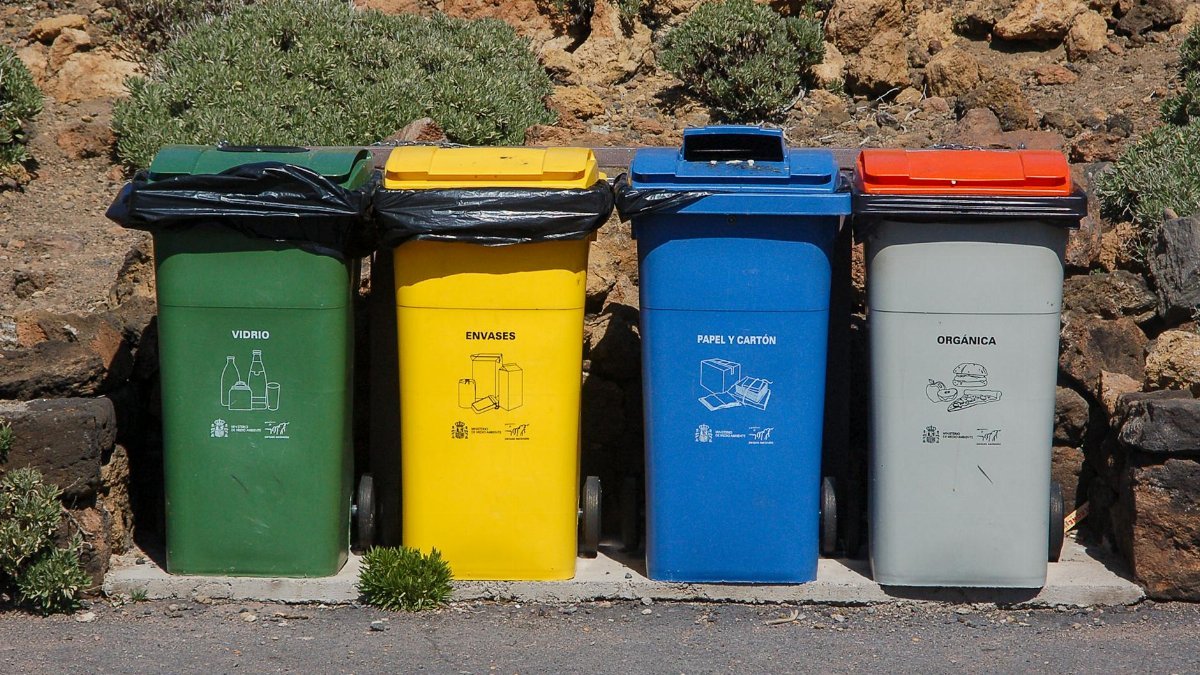
Landfills aren’t free. Disposal fees add up—$20-50 per bulky item in many cities. Repair cafes keep junk out of dumps, slashing those tabs. Plus, less consumption means lower utility bills from efficient fixed appliances. A study by the European Environment Agency on similar programs found participants trim household waste costs by 15%. U.S. cafes mirror that, with one Bay Area event diverting 500 pounds of e-waste in a single afternoon.
Way Five: Trade and Swap for Extra Cash

Beyond fixes, cafes foster swaps. Unfixable? Trade for something usable. Some locations auction repaired goods, splitting proceeds. In Portland, a cafe sold refurbished bikes, netting riders $50 each while volunteers pocketed tips. This barter economy turns trash into treasure, padding wallets without new spending. Organizers note 20% of attendees leave with traded items valued over $100.
Exploding Across Suburbs

Once a Dutch import, neighborhood repair cafes now dot 200 U.S. spots. Demand spiked 40% post-pandemic as folks eyed budgets. Queens, New York, hosts weekly events drawing 100 people. “It’s money back in our pockets,” said attendee Raj Patel. Growth hits red states too—Texas cafes fixed 1,000 items last quarter.
Real Dollars, Real Stories

Numbers hit home. Lisa Grant of Denver tallied $450 saved on a mixer and drill in one visit. Multiply by cafe networks: millions diverted from repair shops. The NPR report on early U.S. cafes highlighted similar wins, with families reporting 25% drops in gadget spending.
Greener Wallets, Too
Savings extend to eco-perks. Fixed items cut manufacturing demand, easing energy costs passed to consumers. Households using cafes reduce carbon footprints by 10%, per Repair Cafe tallies—translating to lower green surcharges on bills. It’s thrift with a planet payoff.
Getting Started Near You

Find one via Repair Cafe USA’s map. Host your own: borrow a church hall, recruit fixers. Startup costs? Under $200 for basics. Cities like Minneapolis offer grants. First-timers report instant ROI—one event saved a block $1,500 collective.
Future Fixes on Horizon

Expect more. Federal recycling pushes could fund cafes nationwide. Tech integrations—like app-scheduled slots—streamline access. As costs rise, these hubs stand as smart, community-driven shields for strained budgets. Join the fix, keep the cash.

With a career spanning investment banking to private equity, Dominik brings a rare perspective on wealth. He explores how money can be a tool for personal freedom and positive impact, offering strategies for abundance that align with your values.
Disclaimer
The content on this post is for informational purposes only. It is not intended as a substitute for professional health or financial advice. Always seek the guidance of a qualified professional with any questions you may have regarding your health or finances. All information is provided by FulfilledHumans.com (a brand of EgoEase LLC) and is not guaranteed to be complete, accurate, or reliable.