
In quiet living rooms across America, conversations about the past often flicker like old home movies, revealing hidden layers of family lore. Yet a recent survey by the AARP uncovered a poignant gap: nearly 60 percent of adults over 40 regret not learning more about their parents’ early years before it was too late.AARP survey on family regrets. This statistic underscores a growing hunger for connection. Questions to ask parents about their childhood offer a simple yet profound way to fill that void. They preserve stories that might otherwise fade, strengthen bonds strained by time, and illuminate the roots of our own lives. As families navigate modern distances, these inquiries become lifelines to heritage.
Uncovering Everyday Routines

Daily life in midcentury homes shaped resilient characters. Parents recall mornings thick with the smell of oatmeal simmering on the stove. One father described his routine: rising at dawn to fetch coal for the furnace, then racing to school on a bike with no gears. Such details emerge when children pose targeted questions.
What did a typical weekday look like for you as a kid? How did you get to school, and what snacks fueled your day? These prompts reveal the grit behind nostalgic smiles. They highlight contrasts with today’s screen filled mornings. Historians note how post war routines built community ties, a lesson still relevant.Library of Congress on postwar American life.
Playtime Tales from Simpler Eras

Play defined childhood before organized sports dominated. Kids built forts from scrap wood or played kick the can until dusk. “We invented games with nothing but imagination,” one mother recounted in a family gathering. Questions here unlock joy.
What games did you play after school? Who was your favorite playmate, and what adventures did you share? Did neighborhood kids have secret hideouts? These draw out laughter filled memories. Research from child development experts shows unstructured play fosters creativity, much like today’s advocates push for less scheduled time. Parents’ stories remind us of that freedom.
School Days and Mischief
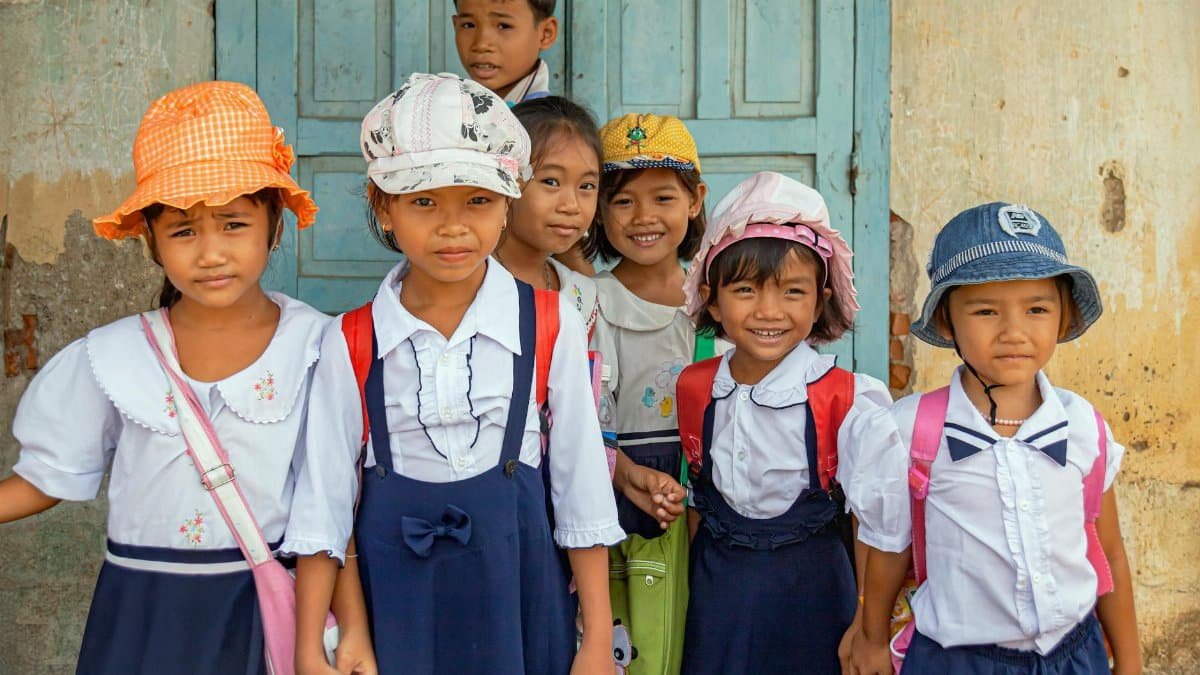
Classrooms of yesteryear featured inkwells and strict rulers. Lessons came hard, with no calculators in sight. A common refrain: memorizing multiplication tables by rote. Yet mischief thrived too. One online account captured it vividly: a boy swapping classmates’ lunches for laughs, only to face the principal’s stern gaze.
What was your favorite subject, and which one dreaded most? Tell me about a teacher who inspired you. Any pranks that still make you chuckle? Such questions surface triumphs and trials. A longitudinal study tracks how early education influences lifelong learning.Harvard Health on school’s lifelong impact.
Transitions from desks to dreams varied widely. Some excelled; others scraped by. These narratives humanize the past, showing paths not so different from our children’s struggles.
Family Meals and Traditions

Dinners gathered clans around Formica tables, plates heaped with pot roast. No fast food options existed. Stories flow easily here. Holidays meant extended kin crowding the house, voices overlapping in warmth.
Describe a holiday meal from your childhood. What family traditions stuck with you? Who cooked, and what recipes passed down? Probing these evokes scents of cinnamon pie. The CDC emphasizes shared meals for health, linking them to stronger emotional ties across generations.CDC on family meals.
Facing Hardships Head On

Not all memories shine. Economic dips or losses tested young spirits. Parents navigated ration books during shortages or walked miles in worn shoes. Resilience shines through.
What was the toughest challenge you faced as a child? How did your family cope with money worries? Did illness or loss change your world? These questions honor endurance. Pew Research highlights how shared family hardships build empathy today.Pew on family dynamics. One anonymous reflection online echoed this: feeling small amid a parent’s job loss, yet learning quiet strength.
First Crushes and Friendships

Hearts fluttered young. Notes passed in class or dances under string lights marked milestones. Friendships formed fast, lasting lifetimes.
Who was your first crush, and how did that unfold? Best friend stories from childhood? Any childhood sweethearts? Lighthearted yet revealing, these foster closeness. They mirror universal pangs, bridging eras.
Dreams Beyond the Horizon

Ambitions stirred early. Some eyed distant cities; others local trades. Radios broadcast tales of far off places.
What did you dream of becoming? Any wild aspirations that faded? How did family shape your goals? These uncover untraveled roads. Storytelling preserves such visions, vital as demographics shift.
Lessons from Grandparents
Elders loomed large, dispensing wisdom over checkers. Their influence rippled down.
What advice did your grandparents give? Favorite stories they told? How did they shape your values? Threads connect generations here. Questions to ask parents often loop back, creating tapestries.
Music, Movies, and Magic

Culture captivated. Swing tunes blared from phonographs; matinees offered escape.
Favorite songs or movies? Any stars you adored? How did music fill your home? Vibrant details emerge. These questions spark shared playlists now, blending old hits with new.
Pets and Animal Companions

Strays or farm critters brought loyalty. Chores included feeding, but love outweighed.
Did you have pets? What animals crossed your path? Special bonds formed? Whimsical tales lighten moods, revealing tender sides.
Travel and Discoveries

Trips meant rarity. Roadsters bumped along highways to lakesides.
Any family vacations? New places visited? What surprised you most? Expansive views unfold.
Regrets and What Ifs
Honest queries touch vulnerabilities. Hindsight clarifies.
Any childhood regrets? Choices you’d redo? These invite depth, healing divides.
Building Your Legacy

Armed with answers, families document. Record sessions or journals ensure stories endure. Questions to ask parents evolve into rituals, fortifying ties amid change. One family started weekly calls, transforming distance into dialogue. The payoff? Deeper understanding, less left unsaid. In a world racing forward, these pauses ground us.

Natasha is the heart of our exploration into conscious connection. Applying principles from multiple counseling courses in her own life, she guides you to cultivate stronger, more joyful bonds.
Disclaimer
The content on this post is for informational purposes only. It is not intended as a substitute for professional health or financial advice. Always seek the guidance of a qualified professional with any questions you may have regarding your health or finances. All information is provided by FulfilledHumans.com (a brand of EgoEase LLC) and is not guaranteed to be complete, accurate, or reliable.