
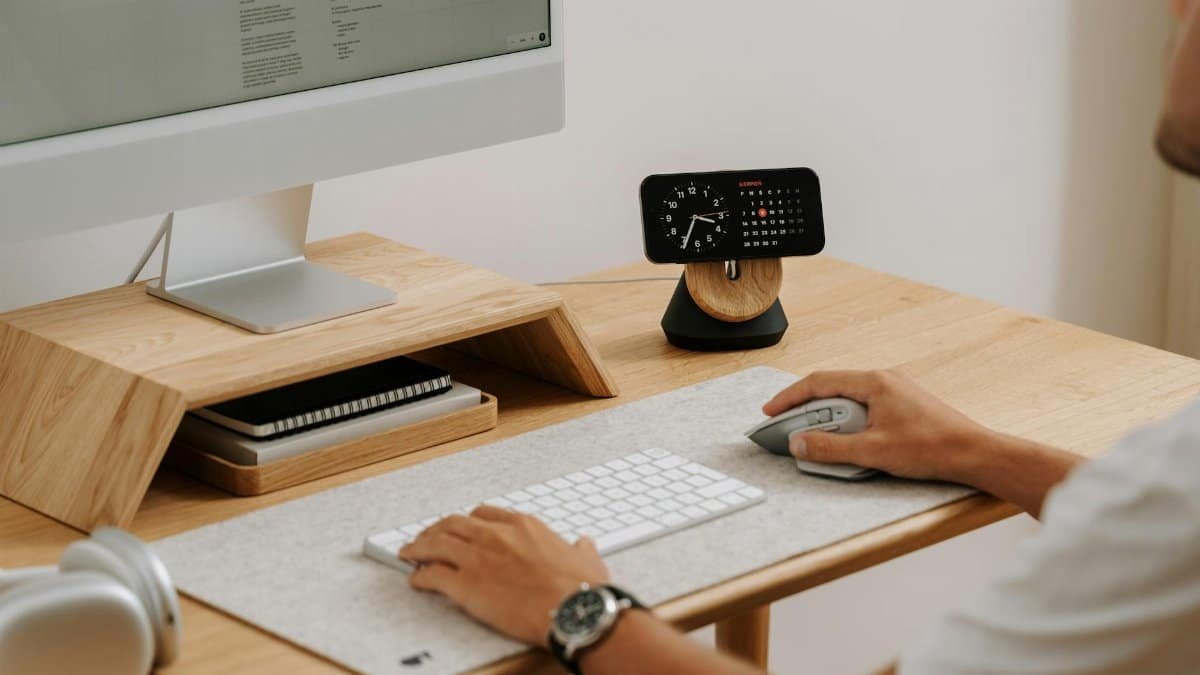
In the dim glow of converted basements and interior closets across America, a quiet revolution brews. A 2023 Buffer report reveals that nearly 50 percent of remote workers now rely on non-traditional spaces for their daily grind, many without a single window in sight. These windowless home office setups, born from the pandemic’s work-from-home surge, challenge old notions of productivity. Yet they persist. Homeowners adapt interior rooms, garages, and even hallways into functional workspaces. The result? A surge in creative hacks to mimic daylight, boost mood, and sustain focus. As hybrid schedules solidify, optimizing these light-starved corners isn’t just practical. It’s essential for millions navigating the new normal.
Embrace Full-Spectrum Lighting

Sarah adjusted the lamp on her desk, its beam flooding the room with crisp, natural hues. Suddenly, her basement office felt alive. Full-spectrum bulbs replicate sunlight’s wavelengths, combating the fatigue that plagues dim environments. Experts recommend 5,000 to 6,500 Kelvin ratings for peak alertness. Place them overhead or at eye level to mimic the sun’s arc. Pair with dimmers for evening wind-downs. Studies show this lighting curbs seasonal affective disorder symptoms by up to 50 percent, per research from the Harvard Health Publishing. Swap out harsh fluorescents today. The shift transforms drudgery into drive.
Strategic Mirror Placement

Mirrors don’t just reflect outfits. They bounce light around tight spaces. Angle a large one opposite your entry door to capture hallway glow. Or mount smaller ones on walls flanking your monitor. In one recent account shared publicly, a freelancer described how this simple trick “made my closet office feel twice as big and bright.” Combine with metallic accents on shelves for extra shimmer. Avoid cluttering the reflection with mess. Clean surfaces amplify the effect. Interior designers swear by this for small, enclosed areas. Light multiplies. So does the sense of openness.
Incorporate Air-Purifying Plants

Green thumbs thrive in the dark. Low-light plants like snake plants or pothos scrub toxins and release oxygen. Cluster them on shelves or a corner stand. Their presence invokes biophilia, that innate human pull toward nature. A NASA study confirmed they remove up to 87 percent of airborne pollutants in sealed rooms, detailed in their Clean Air Study. Water weekly. Mist leaves for humidity. Watch as fronds sway gently, softening stark walls. Productivity climbs. Spirits lift. Even skeptics convert.
Optimize Ventilation Flow

Stale air breeds sluggishness. Install a quiet fan or air purifier with HEPA filters. Position vents to circulate fresh oxygen without drafts on your neck. Open the door periodically for cross-breeze. Smart units monitor CO2 levels, alerting when refresh is due. The CDC emphasizes ventilation’s role in cognitive function, especially in confined setups, as outlined on their indoor air quality page. Feel the difference after one hour. Minds sharpen. Headaches fade.
Curate a Mood-Boosting Color Palette

Pale blues and soft greens expand perceived space. Paint one accent wall in sunny yellow. Avoid deep tones that absorb light. Fabrics matter too: linen curtains over fabric panels diffuse any incoming slivers. Test samples under your lamps first. Color psychology research from the University of British Columbia links cool hues to heightened focus. Fabrics and paints breathe life into monotony. Refresh quarterly. Your office evolves with you.
Layer in Task and Ambient Illumination
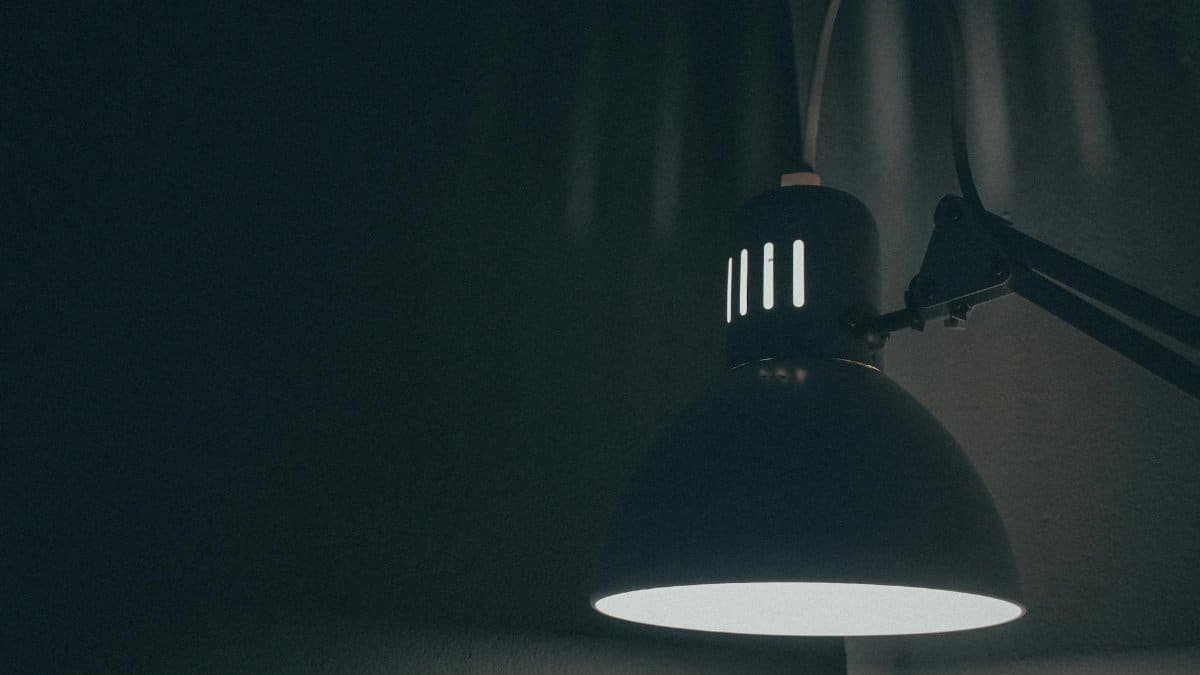
One bulb won’t cut it. Desk lamps target work zones. Uplights wash ceilings. Footlights prevent stubs in the gloom. LED strips under shelves add subtle drama. Adjustable arms let you pivot as tasks shift. Clamp-ons save desk real estate. This setup rivals sunlit rooms, fostering sustained attention. Experiment at dusk. Shadows retreat. Efficiency surges.
Invest in Ergonomic Essentials

Slouch in shadows, and aches compound. Rise-up desks pair with supportive chairs. Position screens at eye level, keyboard at elbow height. Footrests ground posture. The NIOSH equation for workstation design guides adjustments, available via their ergonomics guide. Weekly tweaks prevent strain. Comfort fuels output. Long sessions become marathons.
Add Virtual Windows
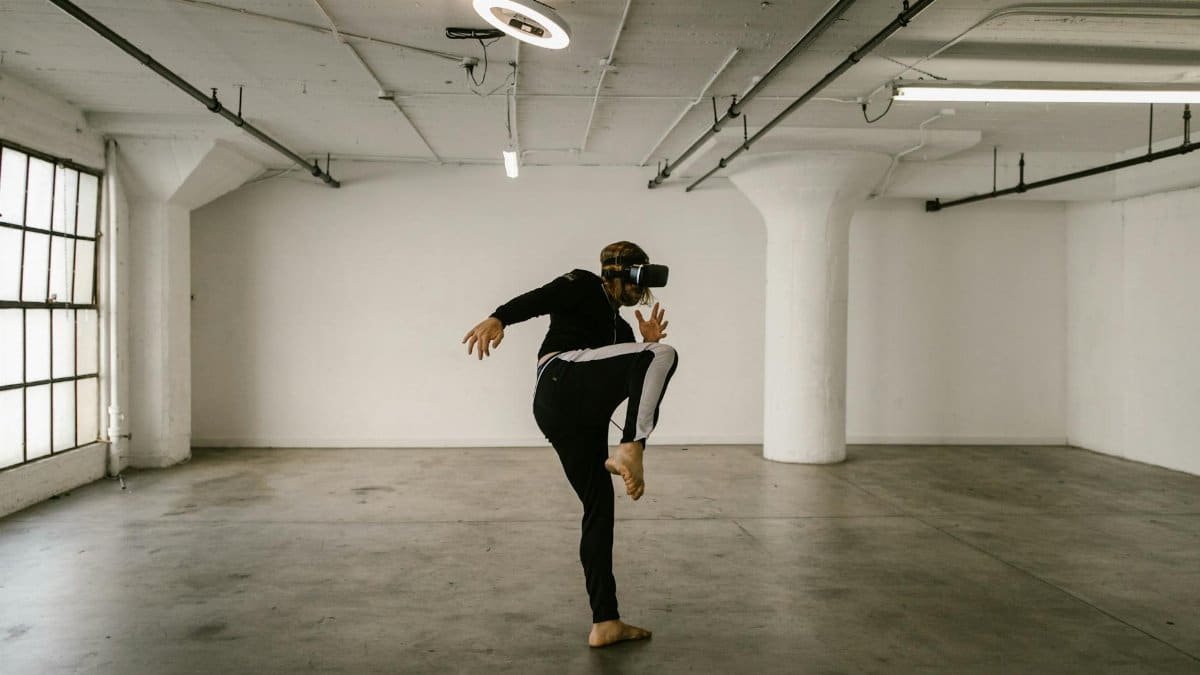
Screensaver skies? Upgrade to OLED displays showing live forest feeds or ocean views. Apps like “Virtual Desktop Windows” cycle serene scenes. Mount on walls like art. Soundscapes enhance immersion: rustling leaves or waves. Tech mimics nature’s reset. Breaks refresh without leaving your chair. Innovation bridges the gap.
Declutter for Visual Breathing Room
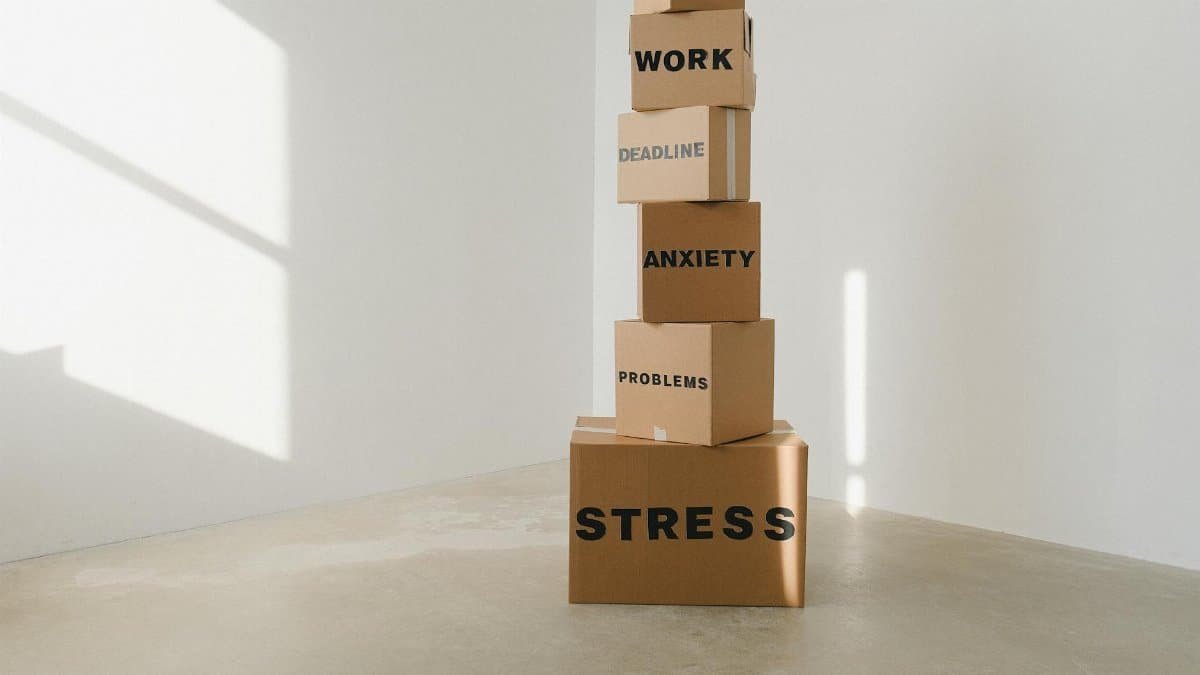
Chaos amplifies confinement. Pare essentials to desk, shelves, bins. Vertical storage frees floor. Cable organizers tame wires. Weekly purges maintain zen. Minimalism clarifies thought. Space expands mentally. Focus sharpens amid order.
Schedule Light and Movement Breaks
Timers chime every 90 minutes. Step into lit areas. Stretch arms wide. Hydrate. Walk laps. Circadian hacks reset internal clocks. Apps track patterns. Routine builds resilience. Energy rebounds. Days stretch longer.
Soundscape Engineering

White noise machines drown distractions. Nature playlists via Bluetooth speakers fill voids. Acoustic panels muffle echoes. Balance volume to energize, not overwhelm. Auditory cues replace window birdsong. Concentration deepens. Flow states emerge.
Personalize with Sensory Sparks

Framed photos. Scent diffusers with citrus. Textured rugs underfoot. Heirlooms spark joy. Rotate seasonally. These anchors combat isolation. Ownership breeds motivation. Your office reflects you. Performance follows.
In these 12 steps, the windowless home office sheds its stigma. Remote workers reclaim control, turning liabilities into assets. Daylight lamps flicker on. Plants unfurl. Productivity blooms. As WFH endures, these tweaks promise not just survival, but thrive. Experiment boldly. Your optimal space awaits.

Natasha is the heart of our exploration into conscious connection. Applying principles from multiple counseling courses in her own life, she guides you to cultivate stronger, more joyful bonds.
Disclaimer
The content on this post is for informational purposes only. It is not intended as a substitute for professional health or financial advice. Always seek the guidance of a qualified professional with any questions you may have regarding your health or finances. All information is provided by FulfilledHumans.com (a brand of EgoEase LLC) and is not guaranteed to be complete, accurate, or reliable.