
A report from the National Institutes of Health underscores a stark reality: iron deficiency touches one in six American women of childbearing age, with vegetarians and vegans at even greater risk due to lower absorption rates from plant foods. Yet plant-based eating surges forward. Grocery aisles brim with meat alternatives. Energy drinks fly off shelves. Amid this shift, plant based iron sources emerge as quiet heroes for those ditching animal products. They promise steady vitality without supplements. The catch? Plants offer non-heme iron, trickier for the body to use than heme from meat. Smart choices matter. Pair them right, and fatigue fades.
Iron’s Vital Spark for Everyday Vigor

Iron courses through blood, ferrying oxygen to muscles and brain. Skimp on it, and drowsiness sets in. Headaches follow. Workouts stall. For middle-aged Americans juggling careers and families, steady energy feels essential. Plant eaters often overlook this mineral amid kale smoothies and lentil bowls. Doctors see it in clinics: patients vibrant on paper, drained in practice. Blood tests confirm low ferritin levels. The fix lies not in pills, but plates overflowing with targeted greens and grains. Recent surveys show vegans tweaking diets after energy slumps. One nutritionist recalls a client, a 45-year-old teacher, who reclaimed her afternoons by swapping snacks for seed mixes.
Decoding Absorption from Plants
Plants deliver iron aplenty, but absorption hinges on form and company. Non-heme iron binds tighter in the gut. Enter vitamin C: it unlocks doors. Strawberries with spinach. Bell peppers alongside beans. Inhibitors lurk too. Tea tannins block uptake. Calcium clashes. Coffee competes. The Harvard T.H. Chan School of Public Health Nutrition Source details how cooking in cast-iron pans boosts levels further. Studies track doubled absorption with citrus. Body adapts over time on plant diets, ramping up natural enhancers. Still, variety rules. No single food suffices. Build meals around multiples for reliable flow.
Legumes: Lentils Lead the Charge
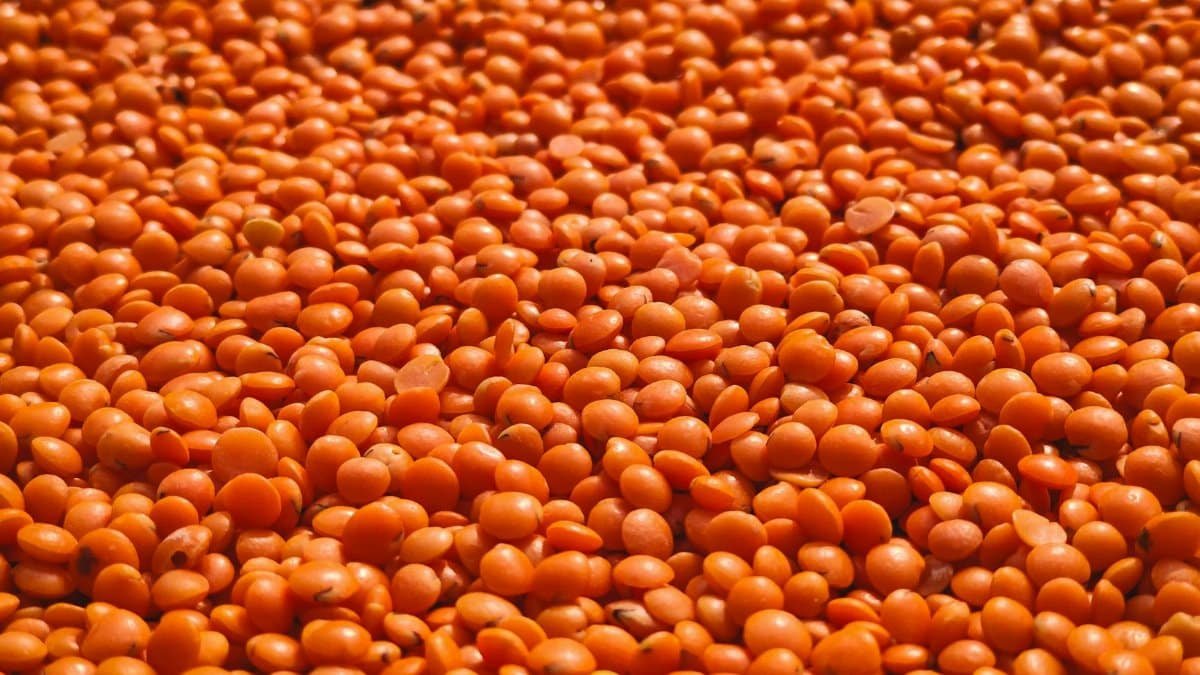
Lentils simmer into soups that warm winter evenings. One cup cooked packs 6.6 milligrams of iron, nearly 40 percent of a woman’s daily need. Red or green, they stretch budgets and bellies. A Dallas chef blends them into veggie burgers, noting firmer texture than beef. Chickpeas follow close, at 4.7 milligrams per half-cup. Hummus dips transform gatherings. Roast them crispy for snacks. Black beans anchor burritos, delivering 3.6 milligrams alongside fiber that steadies blood sugar. These staples fueled ancient civilizations. Today, they power modern vegans dodging the midday crash.
Leafy Greens: Spinach and Kale Shine
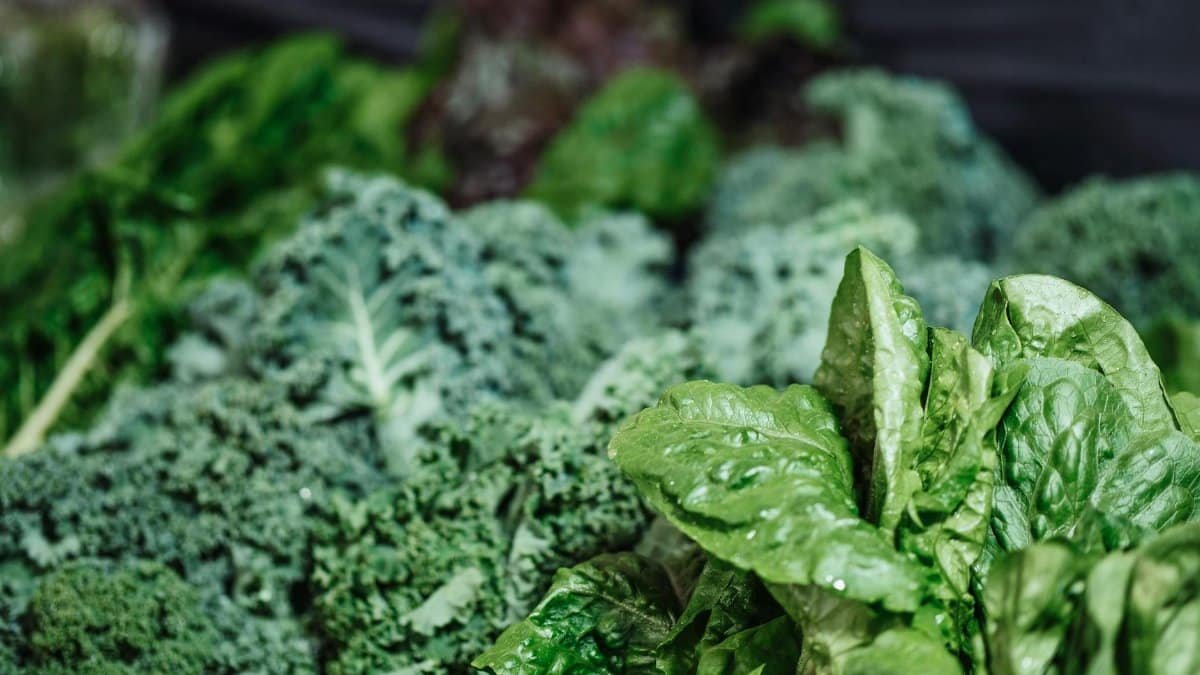
Spinach wilts into sautés, yielding 2.7 milligrams per half-cup cooked. Popeye knew something. Raw salads fall short; heat releases iron. Kale chips crunch with 1.5 milligrams per cup. Massage leaves tender, dress with lemon. Swiss chard joins, its ruby stems adding 4 milligrams boiled. Farmers markets buzz with these. A Midwest gardener harvests kale weekly, crediting it for hikes without huffing. Greens pair perfectly with C-rich tomatoes. Absorption jumps 2-3 times. Skeptics dismiss them as low yield. Volume counts. Wilt a pound, devour iron bounty.
Seeds and Nuts: Pumpkin Power and Cashew Crunch
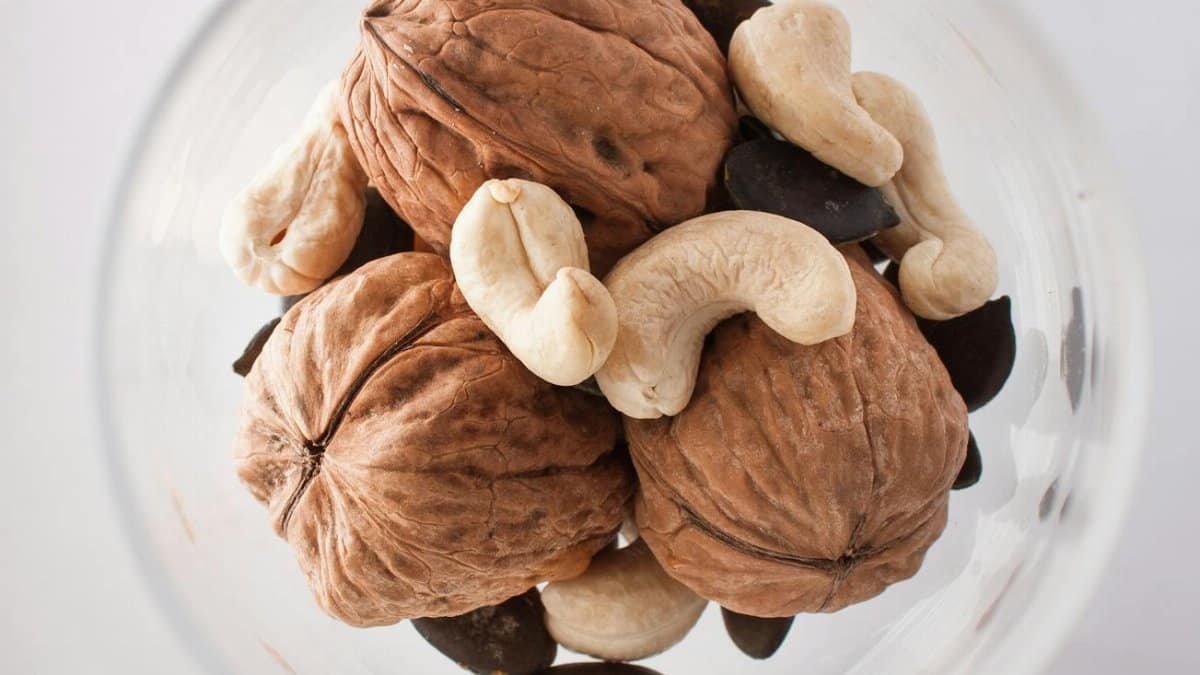
Pumpkin seeds scatter like confetti, 2.5 milligrams in an ounce. Toast them for salads. Sprinkle on yogurt. Cashews trail at 6.7 milligrams per cup, though portions shrink for calories. Trail mix becomes portable fuel. Sesame seeds grind into tahini, 4.1 milligrams per quarter-cup. Nuts and seeds absorb modestly alone. Lemon juice elevates. Gym-goers swear by post-workout handfuls. Energy rebounds. One forum poster, navigating perimenopause vegan-style, described pep returning after daily seeds. “No more 3 p.m. fog,” they wrote. Small bites, big impact.
Grains and Pseudograins: Quinoa and Beyond
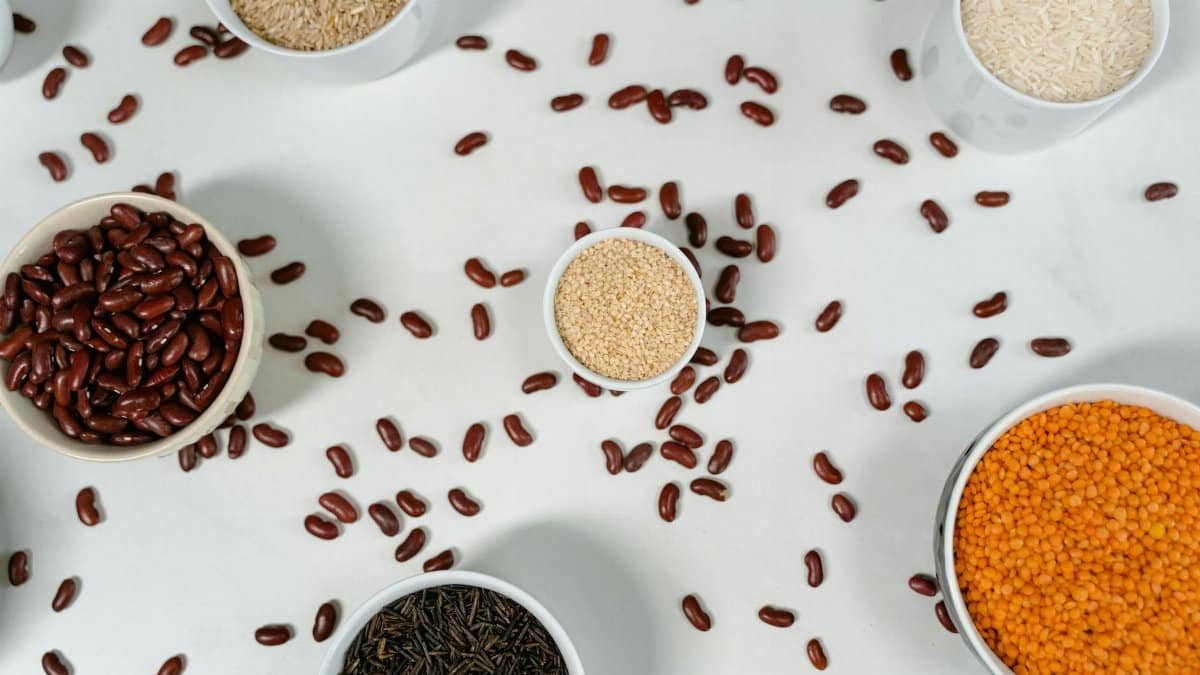
Quinoa fluffs into pilafs, complete protein with 2.8 milligrams per cup. Rinse bitter saponins. Cook fluffy. Amaranth pops like tiny cereal, 5 milligrams cooked. Fortified cereals seal the deal. Oatmeal brands hit 18 milligrams per serving. Check labels. Avoid excess sugar. Breakfast bowls sustain through meetings. Ancient Incas revered quinoa as gold. Modern kitchens reclaim it. Pair with oranges for uptake. Tired parents report sharper focus. Grains build endurance quietly.
Soy Stars: Tofu, Tempeh, and Edamame
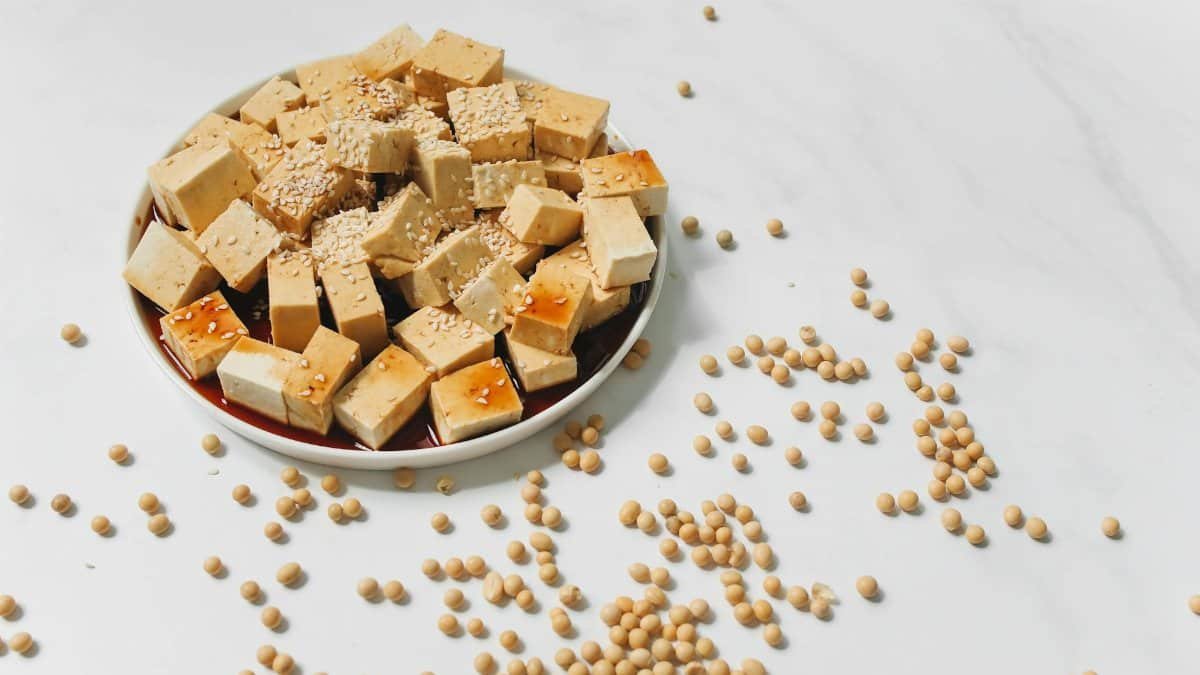
Tofu presses firm, absorbs marinades, delivers 3.6 milligrams per half-cup. Stir-fry basics. Tempeh ferments bold, 2.7 milligrams sliced thin. Grill it smoky. Edamame pods pop fresh, 2.3 milligrams shelled. Appetizers delight. Soy mimics meat heft without heme. Fermentation aids digestion. A Seattle entrepreneur layers tempeh in sandwiches, fueling startup grind. Plant eaters lean on soy for muscle repair. Versatile, affordable. Critics flag estrogen mimics. Science reassures moderation.
Dried Fruits: Apricots and Raisins Rally
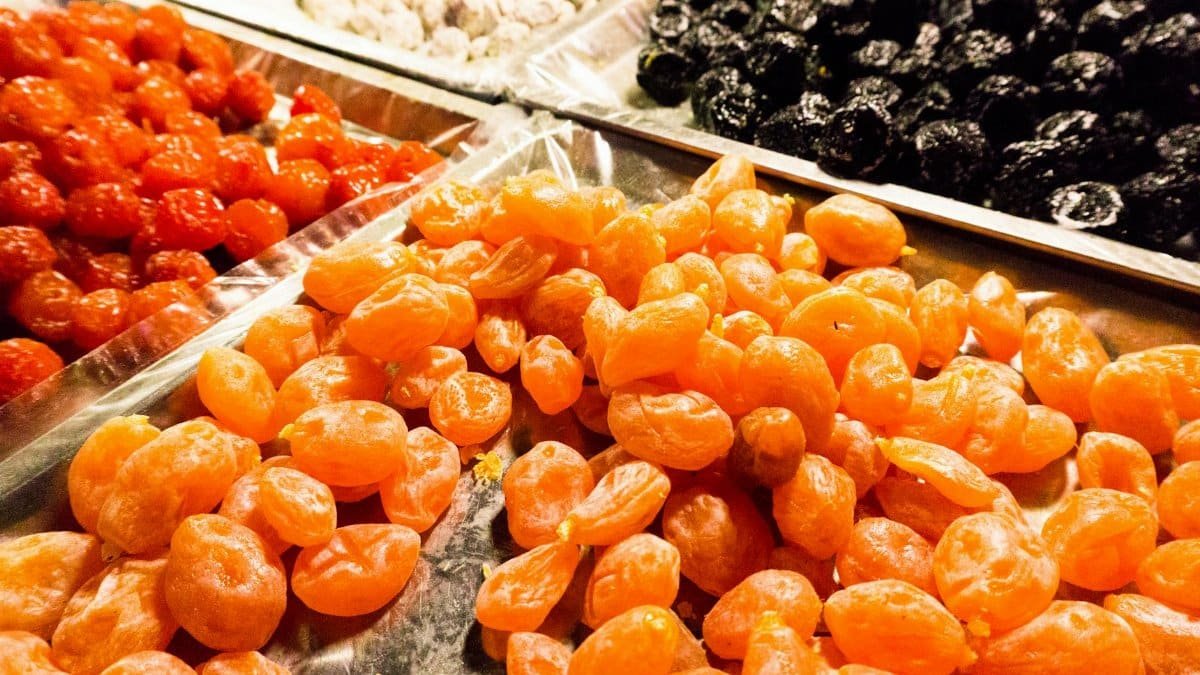
Dried apricots chew sweet, 2.7 milligrams in eight halves. Trail snacks revive. Raisins stud oatmeal, 1.9 milligrams per half-cup. Prunes plump with 3 milligrams each handful. Chew slowly. Nature’s candy packs iron punch. Hikers pocket them. Digestion smooths. One recent public account captured a runner’s turnaround: apricots curbed bonking mid-mile. Fruits shine portable. Chew with nuts. Vitamin C from fresh sides amplifies.
Maximizing Uptake in Real Meals

Layer wisely. Lentil curry with tomatoes. Spinach salad, strawberries tossed. Avoid tea an hour post-meal. The Linus Pauling Institute at Oregon State University maps strategies: cook acidic. Space dairy. Weekly tallies hit recommendations—18 milligrams women, 8 men. Track apps help. Families experiment. Kids nibble seed butter. Energy ripples household wide.
Voices from the Plant-Based Frontlines
Experiences vary. A corporate manager integrated quinoa bowls, ditching caffeine crashes. “Sustained all day,” she shared in group chats. Another, post-50 vegan, battled anemia until kale smoothies. Doctors nodded approval. Online threads echo patterns: initial dips, then surges with diverse sources. Tensions surface—convenience versus cooking. Most celebrate wins. Supplements backup, not frontline.
Debunking Persistent Myths

Myth one: plants lack enough iron. Data disputes. Myth two: vegans always deficient. Proactive eaters thrive. The Mayo Clinic affirms balanced plant menus suffice. Test ferritin yearly. Adjust. No panic.
Skepticism lingers. Yet evidence mounts. Plant based iron sources redefine vitality. Millions energize naturally. Experiment. Feel the shift.

As an education professional with a background in Biology and Physics, Dr. Christoph Weber is the analytical heart of Fulfilled Humans. He ensures every piece of content is insightful and grounded in credible knowledge.
Disclaimer
The content on this post is for informational purposes only. It is not intended as a substitute for professional health or financial advice. Always seek the guidance of a qualified professional with any questions you may have regarding your health or finances. All information is provided by FulfilledHumans.com (a brand of EgoEase LLC) and is not guaranteed to be complete, accurate, or reliable.